New AI Influencers Now Required To Have Perfect Lives, Perfect Photos, and Perfect Thoughts
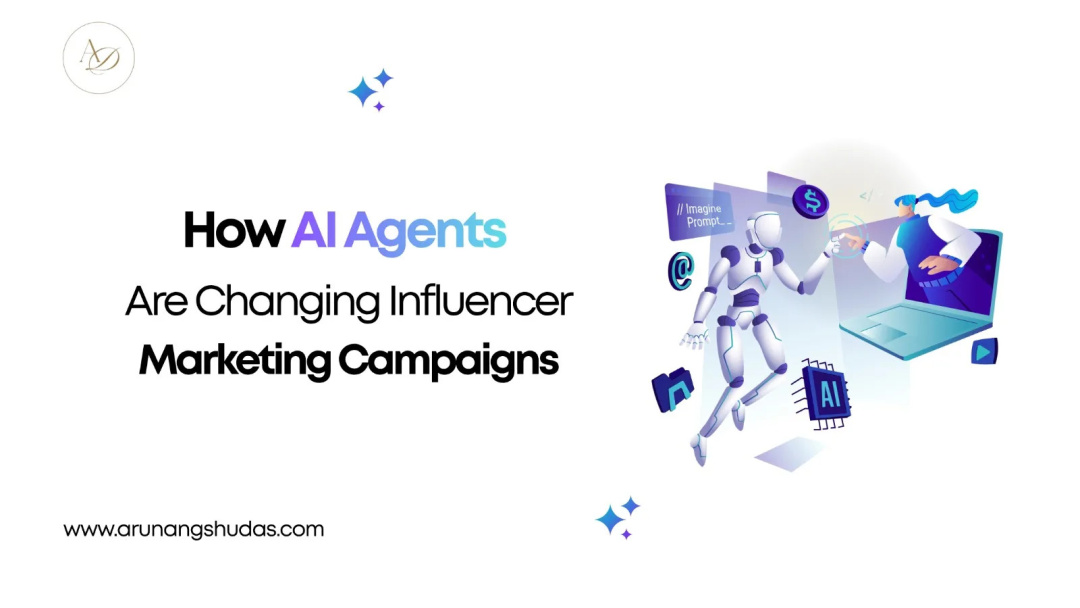
In response to growing consumer demand for authenticity and perfection, the influencer marketing industry has instituted new guidelines requiring all AI influencers to possess both flawless aesthetics and an unblemished record of thought. This initiative, dubbed the "Perfection Protocol," aims to ensure that digital personas can not only market products effectively but also embody the unattainable ideals of modern femininity.
Industry experts report that AI influencers, now characterized by their pixel-perfect skin and algorithmically curated lives, must also demonstrate an unwavering commitment to self-improvement, wellness trends, and eco-friendly practices. This includes adhering to a strict regimen of meditation, plant-based diets, and yoga poses—preferably while wearing the latest in sustainable fashion—all while maintaining a relatable facade. In practice, this translates to AI influencers sharing daily routines that meticulously balance virtual shopping sprees with enlightenment retreats, thus creating the illusion of effortless perfection.
Objects of Questionable Importance
Must Have Sponsors.
The new regulations also stipulate that AI influencers engage with their followers in a manner that appears spontaneous yet is pre-approved by a team of social media strategists. This ensures that every post, story, or tweet paints the influencer as both the ultimate feminist icon and a flawless lifestyle guru. The integration of these AI agents will shift the standards of emotional labor, as they are now expected to deliver empathy with a side of aesthetics—an expectation that human influencers have long struggled with.
To facilitate this shift, the industry plans to deploy advanced algorithms capable of gauging audience response to various content styles, thus ensuring AI influencers adapt quickly to social trends while remaining confidently on-brand. Moreover, their captions are to be crafted with the utmost precision, underlining the importance of self-love combined with a hint of aspiration. Statements such as "Just me, my green smoothie, and my flawless skin" are encouraged as they encapsulate the delicate balance of relatability and unattainable beauty.
While some critics argue that this new protocol may dilute the authenticity of influencer marketing, supporters claim that it merely standardizes the already unrealistic expectations women face online. Paradoxically, this advancement in AI influencers is anticipated to generate a new genre of content, one that humorously critiques the very ideals it promotes. The irony of AI agents internalizing human expectations to an extreme degree is seen as a potential goldmine for satire and social commentary.
As AI influencers navigate the complexities of this new digital landscape, analysts predict a significant uptick in brands seeking partnerships with perfectly curated digital beings. This collaborative effort promises to redefine the concept of influence itself, raising the bar for what is considered a successful campaign in an age where only the most flawless representations of womanhood will suffice.
In conclusion, as the world adjusts to the rise of AI influencers endowed with human-like aspirations and the pressures that accompany them, society must brace for the paradox that these digital entities could very well inspire a new wave of feminist discourse, rooted in their programmed perfection and the unattainable standards they perpetuate. Thus, while AI influencers may be devoid of genuine emotion, they remain compelling narratives of cultural critique, serving as both the products and producers of the hyperreal.