New Study Reveals Teens Now Expected to Outperform Adult Fashion Icons
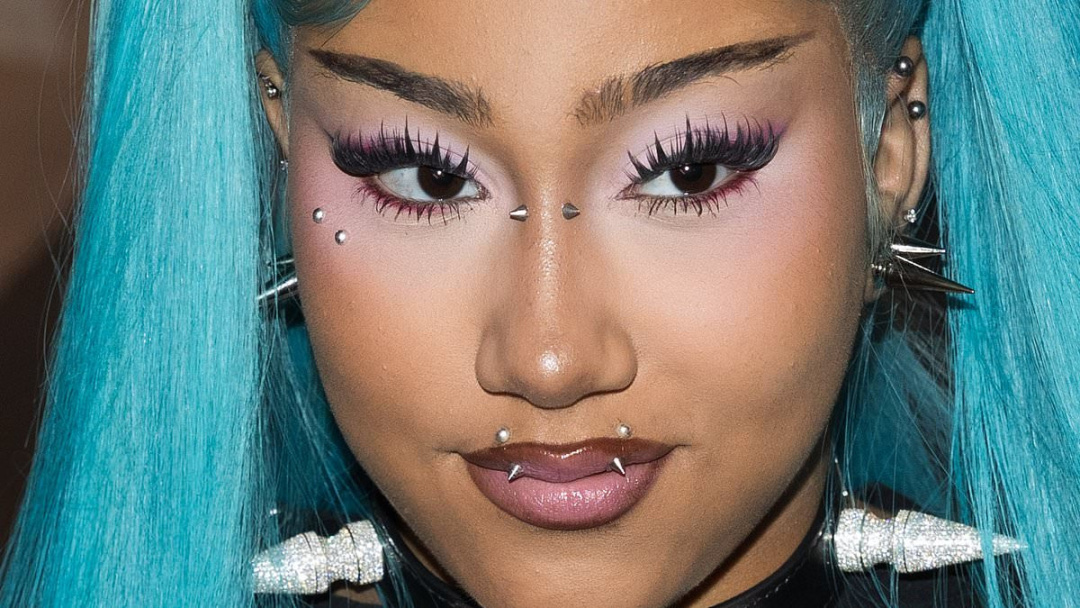
In the latest fashion study conducted by the Institute of Impossible Standards (IOS), researchers have discovered an alarming trend: today's teenagers are now held to a higher fashion standard than their adult counterparts, often leaving older generations scrambling to catch up. This phenomenon, dubbed "Peer-formance Pressure,” posits that young fashion icons must now not only match but outperform celebrities like Kim Kardashian and other social media titans in their sartorial choices.
According to lead researcher Dr. Elle Gance, the findings suggest that every child under the age of 18 is now expected to have a fully developed personal brand, complete with an array of accessories that would make even seasoned designers weep. "We saw this first with the rise of TikTok, and now it's fully manifested in the latest trends at Paris Fashion Week, where 13-year-olds like North West are showcased with more piercings than an adult rock band," she stated in her keynote address at the Fashion Failure Summit.
Objects of Questionable Importance
Must Have Sponsors.
The report highlights that adolescents are not merely participating in fashion but are now leading it, a shift that has left many adults feeling inadequate and style-deficient. The researchers cite a concerning increase in adults resorting to extreme measures such as seeking guidance from TikTok tutorials on how to nail a “casual day out” look, which now requires a knowledge of at least five layering techniques and the ability to incorporate items like knee-high socks without causing a public disturbance.
Dr. Gance's work also points out that this shift is exacerbated by social media algorithms that highlight the most photogenic and aesthetically pleasing among the youth, leading to an endless cycle of comparison. "Gone are the days of simple denim and a t-shirt. Today’s youth can’t even contemplate stepping out in public without first curating a full aesthetic narrative that could rival major advertising campaigns," she explained, further noting that brands are capitalizing on this trend by releasing stickers for children to place on their clothing, declaring their fashion status.
As this new expectation settles into the fabric (pun intended) of youth culture, many adults are left bewildered by the high stakes involved in casual outings. The report encourages parents to involve themselves in their children’s fashion choices to create a familial brand that showcases both struggle and success. "It’s vital for adults to engage meaningfully in the aesthetics of family outings because that Instagram post with grandma wearing cargo shorts will be scrutinized too, and we can’t have that," Dr. Gance cautioned.
In response to these findings, various brands are initiating campaigns specifically tailored for youth aesthetic management, complete with apps designed to analyze social credibility based on fashion choices. These include instant feedback on outfit photos directly uploaded to a user’s profile. Therefore, clothing now functions not just as a shield against the elements but as a carefully curated statement reflecting social standing.
As the fashion world holds its breath, one thing remains clear: the only thing more difficult than keeping up with the latest trends may just be the effort it takes to look like you’re effortlessly wearing them. The question remains: how will adults navigate this new landscape, and will they ever achieve this elusive perfection? Only time will tell as we prepare for the next season of impossible standards in youth fashion.