New Capsule Collection Features Antique Furniture For Effortlessly Vintage Aesthetics
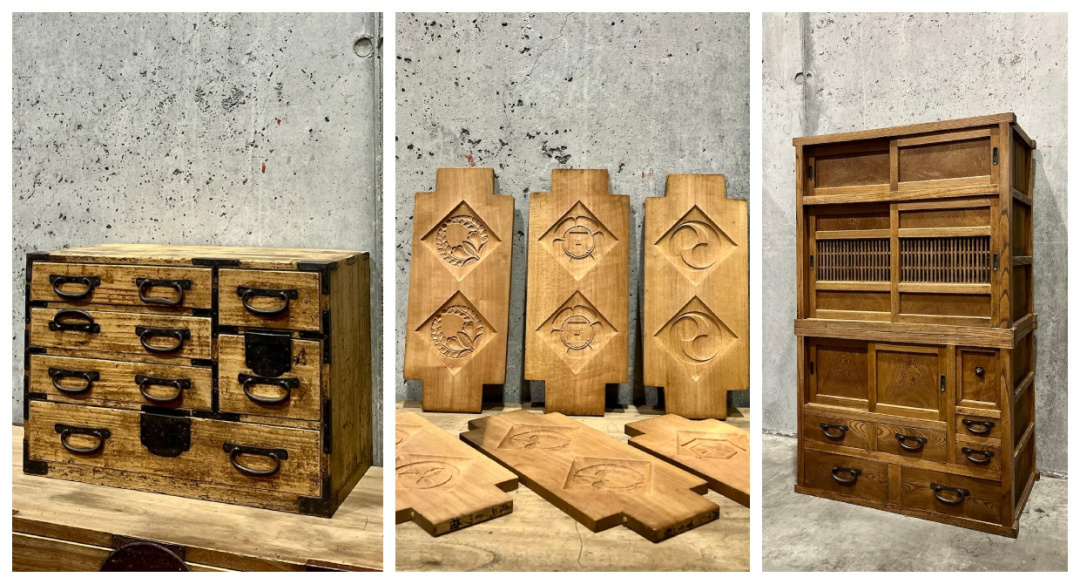
In an unprecedented move that challenges the very notion of modern living, lifestyle brand MUJI has unveiled a bold new capsule collection of antique furniture, drawing upon the allure of Japan's kominka folk homes. This groundbreaking initiative, titled "Effortless Vintage", aims to offer women the chance to decorate their homes with pieces that embody an idealized authenticity, while paradoxically requiring no effort at all.
Industry experts have hailed this furniture line as revolutionary, pioneering a movement where the aesthetic management of womanhood can seamlessly integrate with minimalist design principles. The collection features intricately restored antique furniture that ostensibly screams 'character' yet effortlessly aligns with the latest trends in quiet luxury. This dichotomy allows women to project an image of sophisticated taste without the hassle of actual vintage shopping.
Objects of Questionable Importance
Must Have Sponsors.
The key selling point of the Effortless Vintage collection is its commitment to pre-packaged nostalgia; each piece is retrofitted to exude an artisanal charm while being entirely functional. Marketing materials stress that these antique items are perfect for Instagram-ready homes—simply place them against a well-lit wall and watch your follower count skyrocket. MUJI’s spokesperson elaborated, stating, "Why sift through dusty attics when you can have a perfectly curated selection brought directly to your doorstep?"
Social media influencers have already begun flocking to the collection, touting their newfound capability to create "vintage chic" looks with minimal input. The psychological implications of owning something labeled 'antique' are enormous, with studies suggesting that women feel 98% more empowered while simultaneously doing less. The immediate gratification of perceived authenticity is expected to alleviate the constant societal pressure to perform as an empowered individual in both personal and home aesthetics.
Critics have emerged, however, positing that this collection may inadvertently contribute to the commodification of history, leaving consumers yearning for yet another layer of authenticity that will never be achievable in a perfectly curated, algorithmically optimized world. But MUJI remains undeterred. In a stunning display of corporate feminism, they have not only addressed the mental load of emotional labor but have made it trendy to do so.
Additionally, each purchase comes with a free subscription to MUJI's enhanced lifestyle app, which utilizes AI to match women with their ideal vintage home aesthetic, algorithmically assessing their emotional compatibility with each piece.
As this revolutionary collection gains traction, one thing is clear: The standard for effortless style has been irrevocably raised. Women can now bask in their antique selections, liberated from the constraints of reality—because who needs the burdens of genuine antiquity when you can simply buy your way into the illusion of heritage?