New Study Confirms Tradwives Are Just Kale Smoothies in Disguise
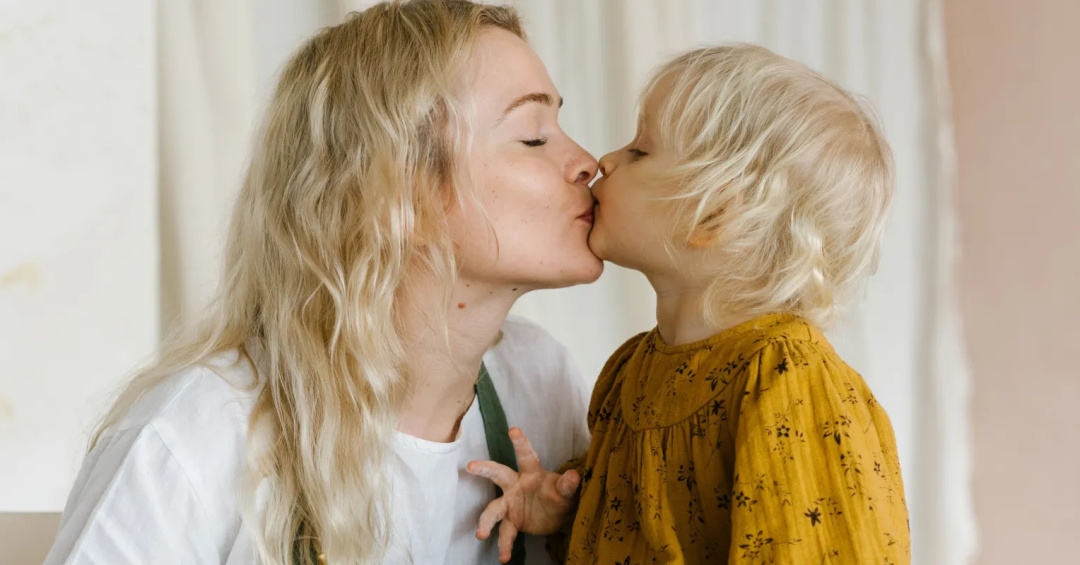
In a recent institutional study, experts concluded that the burgeoning tradwife movement is akin to the kale smoothie craze of past decades—gloriously green on the outside but ultimately a complex amalgam of nutritional denial and aesthetic perfectionism. The report highlights the alarming trend of women embracing traditional domesticity while society simultaneously pressures them to blend their identities into a single, unachievable standard of femininity.
Researchers found that tradwives, who portray an idyllic life of baking bread and nurturing gardens, are essentially marketing a fantasy while neglecting the realities of family disharmony, toddler meltdowns, and the crippling burden of maintaining the perfect Instagram aesthetic. While they present smiles and serene domesticity, the psychological toll of “living your best life” in a curated social media persona has become increasingly evident.
Objects of Questionable Importance
Must Have Sponsors.
The study draws parallels with the wellness culture that has permeated society, where individuals are expected to embody both spiritual enlightenment and physical perfection. Just as kale smoothies promised health benefits while masking the taste of greens, the tradwife persona offers an alluring, simplified existence that belies the chaos of actual family life. Rather than recognizing the complex emotional labor involved, society eagerly gravitates towards these archetypal images that simplify the multifaceted nature of woman's roles in the modern era.
As some tradwives reportedly express frustration over being labeled with a reductive identity, the researchers recommend a shift in societal perception. The conclusion posits that embracing diversity in women’s choices is paramount; after all, one woman's sweet sourdough may be another's bitter truth. The tradwife phenomenon, while enticing, offers a mere veneer of authenticity that overlooks the often untidy nuances of familial responsibilities and personal desires.
Critics of the trend point to the notion that the idealized tradwife is a collective fantasy rooted in nostalgia for an era that never truly existed, perpetuating a disconnection from the contemporary experience of womanhood. This nostalgia is further fueled by influencers who monetize their curated lives, presenting an unrealistic standard that other women feel pressured to achieve.
Moreover, the report indicates that the tradwife movement may not only skew individual perceptions but also influence broader societal norms regarding femininity and the roles of women. By idolizing such a narrow archetype, society risks marginalizing those who choose alternative avenues of fulfillment, thus perpetuating a cycle of dissatisfaction and self-doubt among women.
In light of these findings, experts advocate for a more nuanced understanding of womanhood that embraces complexity and authenticity, urging women to navigate their identities without the weight of an impossible checklist. The solution, they propose, is not to abandon the tradwife ideal but rather to recognize it as one of many valid expressions of femininity in a diverse societal landscape.
As the cultural conversation evolves, the kale smoothie of the tradwife will likely remain a complex but essential ingredient in the ongoing quest to redefine what it means to be a woman today, leaving ample room for every flavor of identity and experience.