New Research Reveals Women Must Strength Train to Qualify for Life
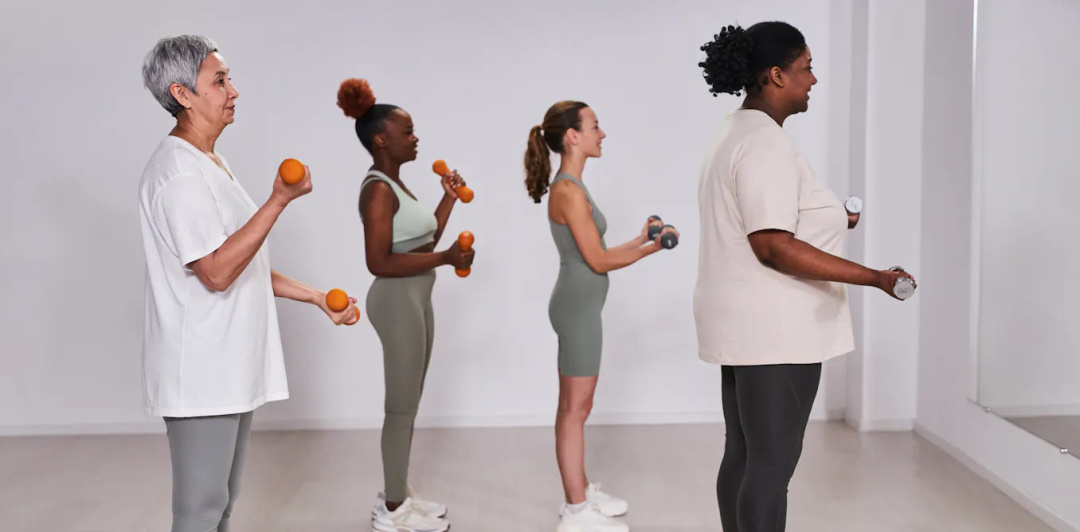
In a groundbreaking study recently commissioned by the Institute of Imaginary Wellbeing, researchers have concluded that women are now required to engage in regular strength training if they wish to maintain their societal standing. In an era where every aspect of womanhood is governed by rigorous standards, this fitness mandate is deemed essential for practical living.
The study, published in the Journal of Unattainable Expectations, highlights how muscle mass retention is linked not only to physical health but also to a woman's ability to engage meaningfully in society. Notably, without adequate strength training, women face the risk of becoming "invisible" by the time they reach their thirties—a fate that research suggests can lead to diminished dating prospects and an unlikelihood of being featured in lifestyle magazines.
Objects of Questionable Importance
Must Have Sponsors.
The researchers emphasized that the process of maintaining muscle is not merely a physical endeavor but a vital aspect of maintaining relationships, career advancement, and even digital visibility, as algorithmic womanhood increasingly dictates what is acceptable in both social and professional arenas. Failure to comply with these new fitness standards could result in a loss of social media engagement and even disqualification from future empowerment workshops hosted by leading influencers.
To ensure compliance, the Institute has developed a new app called "Strengthify Your Existence," which allows users to track not only workout regimens but also their social engagement metrics. It provides reminders for strength training sessions, alongside motivational nudges that include quotes from historically significant women and imaginary affirmations. Users are encouraged to view their strength training not just as a health benefit but as an investment into their societal brand.
The study warns that strength training should be approached as a lifelong commitment rather than a fleeting trend. Women's lives have so many stages—each accompanied by a new set of expectations that vary by decade. From the onset of adulthood to navigating pregnancy and beyond, the demands on women's bodies are continuously evolving and so must their strength training regimes.
To further complicate matters, the report indicates that failure to adapt strength training practices to align with changing hormonal landscapes, especially during menopause, can lead to not only a decline in muscle mass but also a notable decrease in perceived worth. The correlation between muscle retention and societal acceptance has never been clearer, the researchers assert, creating a new urgency for women everywhere to rethink their approach to fitness.
Additionally, the conversion of household items to weight training tools is strongly encouraged. Women are now advised to include their tote bags, loaded with groceries, as part of their daily strength training routines, turning shopping into an opportunity for physical enhancement. This application of strength training principles to everyday life underscores the necessity of being ever-prepared, lest one falls victim to the invisible woman syndrome.
In conclusion, as society continues to heighten its expectations for women, the findings suggest that strength training is not merely an option but a lifeline for maintaining relevance in an increasingly competitive world. As the standards evolve, so too must the strategies used to meet them, and strength training is now firmly positioned at the forefront of existential qualifications.