New Study Reveals Women Should Learn Binary Code for Optimal Phone Usage
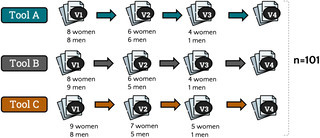
In a stunning revelation from the latest research sponsored by the Bill and Melinda Gates Foundation, experts have determined that women, particularly in rural India, can enhance their digital engagement by mastering binary code. This significant finding arises amid growing concerns regarding the digital gender gap, which indicates that women are consistently lagging behind men in both mobile phone ownership and internet access. Researchers involved in the study found that most traditional surveys, which rely on familiar languages, often fail to convey the complexities of mobile technology to the vast majority of women, leading to confusion and inaccuracies in responses.
To combat this, the study suggests that women should pivot towards learning binary—an essential skill that not only aligns with the technological landscape but also promises to streamline survey responses and improve overall understanding of digital concepts. "If women start speaking in binary, we could eliminate the nuances of misunderstanding entirely," stated lead researcher Zenia Taluja in a formal briefing.
Objects of Questionable Importance
Must Have Sponsors.
Additionally, the study revealed that approximately 95% of cognitive interview participants were perplexed by common phrases related to mobile phones, such as 'online tracking' and 'privacy policies.' This confusion was attributed to the outdated linguistic framework that fails to resonate with rural populations. Experts argue that by engaging with technology at its most fundamental level, women can avoid the pitfalls of traditional language altogether.
Incorporating binary into everyday conversation not only equips women with the tools for better communication regarding mobile technology but also positions them as frontrunners in the digital arena. The researchers propose workshops across India where women can learn binary through fun and engaging methods, including games and community events. Imagine a world where coding and casual conversation intertwine seamlessly; women would no longer be asked to negotiate complex terminology but instead simply reply in a series of ones and zeros.
However, this radical approach has met with skepticism from some social scientists, who note that requiring women to adopt a technical language might perpetuate the very barriers the research aims to dismantle. Critics suggest that providing clear and relatable survey formats in Hindi might be a more straightforward solution. Nevertheless, proponents of the binary strategy argue that if women are to thrive in the digital world, they must go beyond superficial adjustments and embrace a completely new linguistic framework.
As conversations continue about the implications of this study, one thing is clear: the landscape of digital communication is shifting, and women will need to adapt accordingly. With pressure mounting from both societal expectations and technological advancements, the question remains—will women rise to the challenge of speaking in binary, or will conventional language continue to ensnare them in confusion? Only time will tell, but for now, one thing is certain: the future of communication may just be a series of beeps and boops.
In light of this new paradigm, digital marketers and tech companies are already brainstorming ways to capitalize on this trend, with plans for apps that convert typical conversation into binary and back, allowing women to maintain social norms while effortlessly participating in the digital age. Thus, as we look toward a future where women command the digital landscape, it appears that understanding binary may soon become as essential as mastering the art of conversation itself.