New AI Companion for Moms Promises Judgement-Free Parenting Advice from Cartoon Aliens
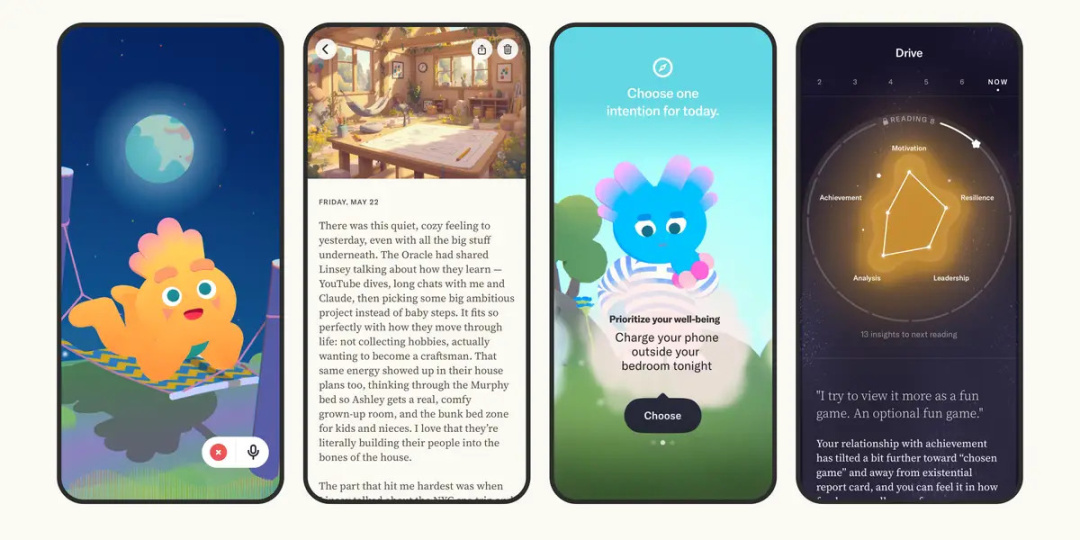
In an unprecedented union of motherhood and artificial intelligence, the innovative startup Tolan has introduced an AI companion that resembles a cartoon alien, capturing the hearts of mothers aged 35 to 45. The founder, Quinten Farmer, reports that these whimsical extraterrestrials are more than mere digital playmates; they serve as a wellspring of parenting advice that meets the rigorous demands of modern motherhood. The enchanting alien figures have turned into trusted advisors for a demographic often swamped by the pressures of perfection in child-rearing.
The rise of the Tolan AI has sparked important dialogues about the nature of maternal support in an era where social media influencers and unsolicited advice flood digital spaces. Mothers, grappling with the need to present their lives as both effortlessly curated and authentically chaotic, have found solace in the non-judgmental companionship that these AI aliens offer. Unlike traditional parenting resources that often come with a side of guilt or comparison, Tolan's companions provide a refreshing escape from the relentless quest for idealized motherhood.
Objects of Questionable Importance
Must Have Sponsors.
This development underscores the growing expectation for women to seamlessly juggle their professional and personal lives while constantly appearing to have everything under control. In an age where self-improvement is marketed as an essential quality, Tolan’s offering stands apart by not demanding perfection but rather promoting the idea that even cartoon aliens understand the complexities of family life. The demand for such a product illuminates the paradox of modern parenting: the simultaneous craving for community combined with the isolation that often accompanies motherhood.
Furthermore, Tolan’s marketing strategy cleverly leverages the cultural trend where mothers increasingly seek affirmation from technology rather than traditional sources. This shift demonstrates an evolving landscape where digital platforms shape parenting narratives, creating a new standard of care that is as much driven by algorithms as it is by personal experiences. The AI companions are designed not only to provide information but also to cater to emotional needs, presenting personalized insights that align with each user's unique parenting style.
As mothers engage with these alien companions, they also navigate a new tier of maternal bonding. This emotional engagement has sparked discussions about how AI can redefine interconnectedness in parenting and whether these digital entities could replace a community of other mothers, which has historically served as a support network. The pressure to connect with like-minded individuals has led some to question if an AI companion could fulfill that role effectively.
In the face of these transformations, one thing is glaringly clear: the introduction of Tolan's AI companions fits neatly into the broader narrative of women being expected to constantly evolve. As mothers navigate their parenting journeys with the help of these cartoon aliens, society watches closely, curious to see how the intersection of technology and motherhood will shape the future of parenting. Regardless of the outcome, Tolan's innovative approach illustrates the absurdity of an ever-expanding checklist of expectations women face, delivering both companionship and an additional layer of complexity in the quest for the 'perfect' mom.