New TikTok Beauty Brand Promises Flawless Skin By Filtering Real Life
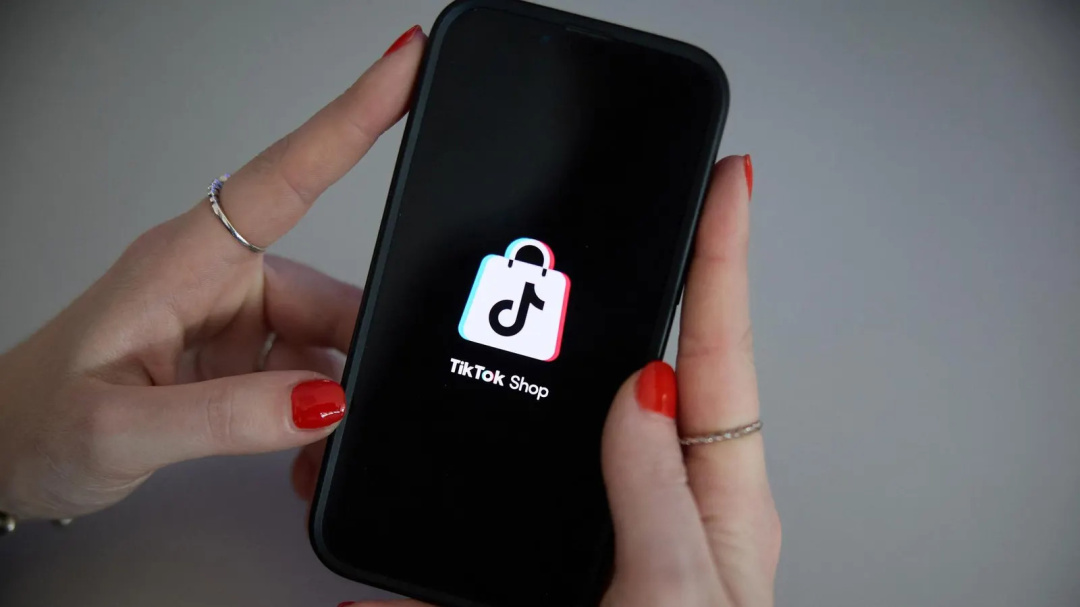
In an era where beauty is synonymous with filtration and algorithmic enhancement, TikTok has officially become the epicenter of beauty marketing. A recent study reveals that brands are not just selling products; they are marketing the concept of an entire lifestyle predicated on an enhanced perception of reality. This new wave of beauty brands is pushing the agenda that flawless skin is not merely a goal but a social media filter away.
The latest trend involves captivating audiences with products that promise to achieve the seemingly unattainable: skin that looks perfect even in the absence of natural light or breathable pores. Influencers, equipped with the latest in makeup sorcery, demonstrate how a single swipe of a product can turn any dull face into a TikTok-ready visage—even without a hint of natural lighting. This no-makeup-makeup look has never been more attainable—or so the influencers say.
Objects of Questionable Importance
Must Have Sponsors.
In a bold move reflecting the absurdities of modern beauty standards, brands are launching ‘Reality Filters’—a new product line that combines skincare with optical illusion. These products promise to not only improve skin but to do so in a way that makes users appear 27% more attractive according to the latest algorithmic metrics. Early adopters report that they can no longer look at themselves in the mirror without feeling the need for a filter. The emotional dependence on augmented beauty is being celebrated as the next step in self-care.
Market analysts are reporting a surge in demand for products that come with customizable filters, allowing consumers to choose how they want to present their skin for the day. The reality, of course, is that the return policy on these products is much like the return policy on self-esteem: just as taxing and cumbersome. Users are encouraged to embrace their ‘true self’ while simultaneously being shown endless images of how others have optimized theirs, creating a dizzying paradox of acceptance and aspiration.
Social media platforms eagerly support this beauty boom, with TikTok's algorithm prioritizing creators who can deliver the most stunning before-and-after transformations—all made possible by the latest ‘miracle creams.’ The irony is not lost on consumers who are left wondering if they need to spend more time perfecting their photo filters than nurturing their skin.
As brands vie for consumer attention through strikingly filtered visuals and viral challenges, the industry is adamant that embracing beauty is about more than just appearances; it’s about personal branding in a world dominated by perceived perfection. Corporate feminism takes on a new mandate as women are urged to straddle the line between empowerment and algorithmically curated self-presentation.
In this landscape, beauty is not just skin deep; it is painted in layers of expectation, filtration, and trend. The paradox of the beauty influencer market lies in its essence: to be seen is to be filtered, and yet authenticity remains the holy grail. With TikTok at the helm, brands are confidently sailing towards a future where filters and reality are indistinguishable, and the quest for beauty becomes a social media scavenger hunt for the perfect look—one filter at a time.