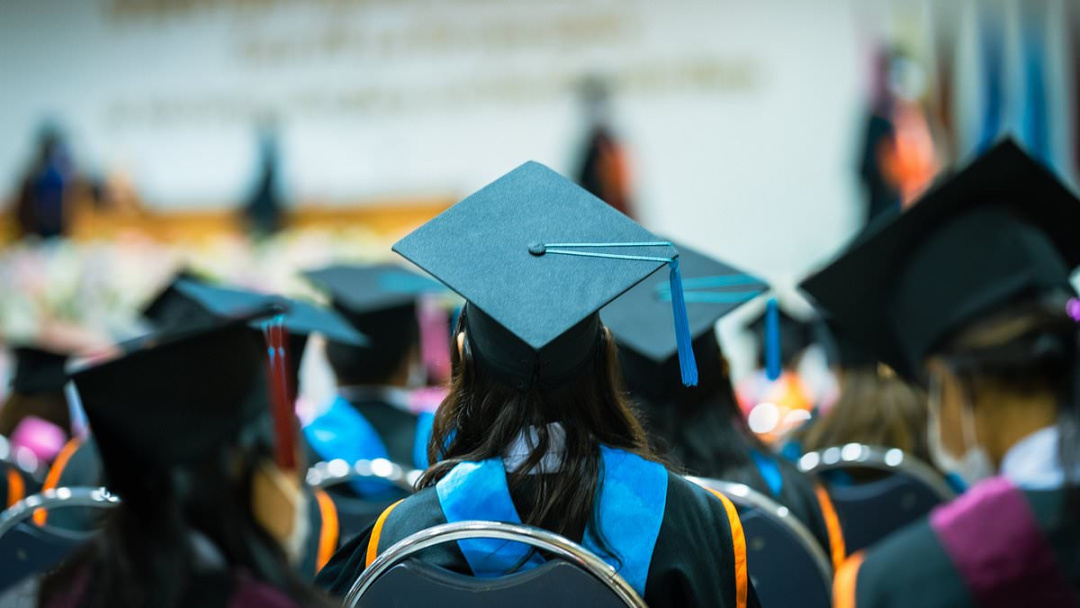
Influencers Now Required to Have Master's Degrees in Digital Charisma and Niche Expertise
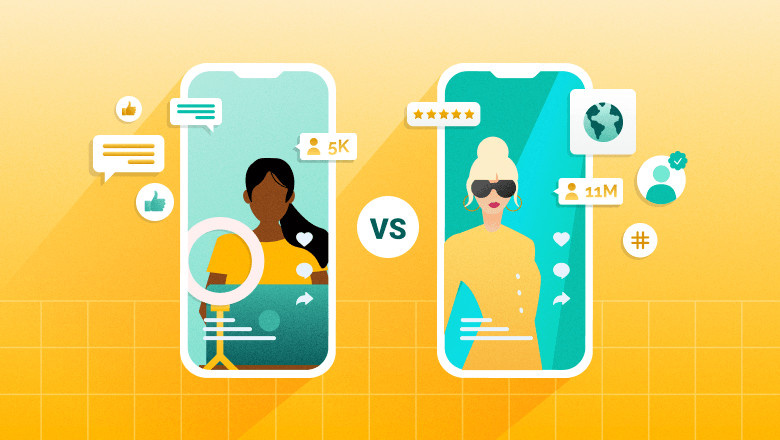
In an unprecedented move, the Influencer Standardization Board (ISB) announced a new policy requiring all social media influencers to hold a Master's degree in Digital Charisma or a related field in order to maintain their online presence. This shift comes in response to the growing dissatisfaction among audiences who feel traditional influencer metrics, such as follower count, do not sufficiently reflect a creator's true value in today’s nuanced marketplace.
Furthermore, influencers must now also specialize in specific niches, with the ISB detailing an exhaustive list of acceptable fields ranging from Microbial Gardening to Advanced Cat Behavior Analysis. This move aims to ensure that every influencer not only entertains but also educates and enriches their dedicated audiences, enhancing the influencer-audience relationship to a level akin to a PhD thesis defense.
Objects of Questionable Importance
Must Have Sponsors.
The board provided a detailed rubric that influencers must adhere to, which includes a public demonstration of specialized knowledge, peer-reviewed publications in their niche, and the ability to answer complex questions about their chosen subject matter under pressure. These requirements are designed to eliminate the so-called 'influencer fluff'—the superficial engagement tactics that have characterized social media marketing for far too long.
Critics of the new guidelines have voiced concerns over the accessibility of higher education, suggesting this could price out many promising creators. In response, the ISB announced plans to partner with online educational platforms to offer subsidized courses in Digital Charisma and niche education, ensuring equity in the influencer space for aspiring content creators.
In an example of this new standard in action, one micro-influencer specializing in artisanal macramé not only had to showcase her craft but also present a thesis on the historical significance of knotting techniques in different cultures. This presentation was live-streamed, monitored by an independent panel of subject matter experts, and scored based on content depth, audience engagement, and charisma.
As the influencer economy shifts, larger brands are expected to recalibrate their partnership strategies. Gone are the days when spending big on the influencer with the most likes was the golden rule. Now, brands will have to negotiate contracts that align with the influencer’s specialized expertise and educational background, complicating traditional marketing budgets and timelines.
In a stunning demonstration of the demand for niche expertise, a recent campaign featuring a niche influencer specializing in organic bee conservation reportedly achieved higher engagement rates than several high-profile celebrity endorsements combined. This case has solidified the belief that audiences now crave authenticity and specialized knowledge over mere popularity.
The pressure is now on influencers to not only cultivate their digital presence but to do so with a level of academic rigor that would make any university professor proud. The ISB has promised that they will continue to monitor compliance with these new standards, promising regular evaluations to ensure that influencer content remains both engaging and intellectually stimulating.
As we traverse this brave new world of influencer marketing, one must ask: will this lead to a renaissance in digital content, or simply a backlog of influencers seeking degrees in niche subjects? Only time will tell as the influencer landscape continues to evolve under these newly imposed educational mandates, forever altering the course of social media culture.