New Study Reveals Women Must Now Install Security Updates for Skincare Routines
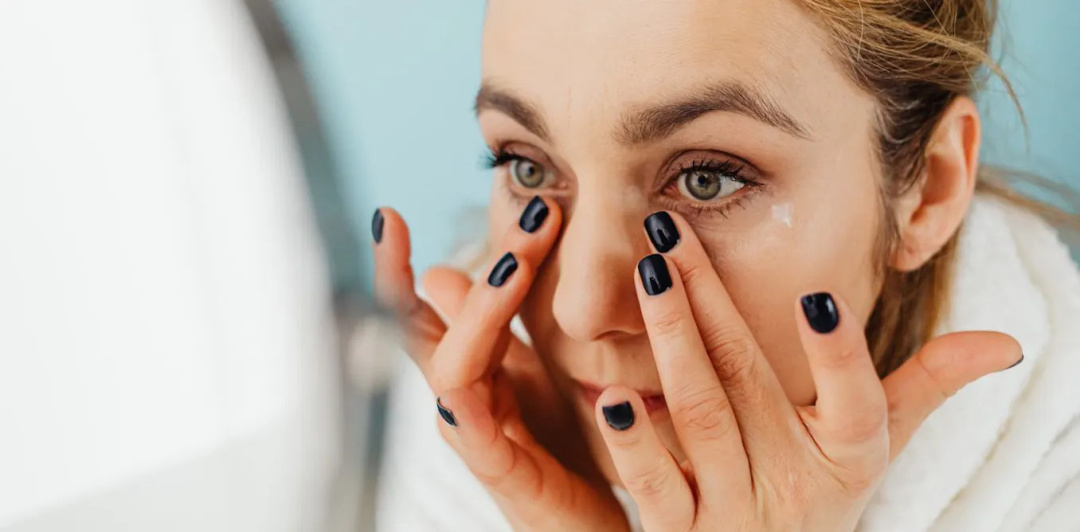
In a stunning revelation that has sent shockwaves through the wellness community, experts have concluded that women must now not only purchase the latest beauty products but also regularly install updates akin to those found in software systems. This newfound necessity for skincare security upgrades has emerged from the intersection of beauty standards and the ever-evolving technological landscape, creating a perfect storm of pressure for women everywhere.
The study highlights that traditional skincare routines, once celebrated for their simplicity, now require an array of clinical-grade creams and anti-aging serums, each accompanied by a detailed installation guide and an endless list of potential side effects. No longer can women simply apply their skincare products and go about their day; they must now check for compatibility with their skin type, monitor for adverse reactions, and, most importantly, manage the software updates that promise to keep their skin in optimal condition.
Objects of Questionable Importance
Must Have Sponsors.
The breakthrough has been met with mixed reviews, as many women express frustration over the overwhelming complexity of this new skincare protocol. "I used to think I just needed a good moisturizer and sunscreen, but now I have to download compatibility patches?" lamented one disgruntled user. Experts now recommend keeping a log of all installed products, akin to a software version history, to ensure proper maintenance of the skin's health.
Moreover, the implications of this study extend beyond mere product use. Researchers found that women who fail to keep their skincare routines updated may experience a decline in skin health, leading to what has been dubbed 'cosmetic lag.' This phenomenon sees women’s skin falling behind the latest trends, much like outdated technology that is no longer supported by the developer.
Influencers and beauty gurus have wasted no time in capitalizing on this new trend, offering subscription services that promise to monitor women's skincare routines and deliver timely updates when new products hit the market. Many of these services come with hefty price tags, leaving the average woman to ponder whether she should invest in a new serum or a new data plan just to keep her skin glowing.
In light of this new development, beauty brands are scrambling to rebrand their products with tech-friendly terminology, signaling that their creams now feature advanced algorithms designed to adapt to the user's skin in real-time. The term 'clinical-grade' has been reassigned to indicate not just ingredients, but also the number of digital updates a product will require throughout its lifecycle.
Critics of this new trend argue that it hints at a deeper societal issue: the constant demand for women to be not only flawless but also technologically savvy. The pressure to maintain an ever-evolving skincare regimen can be overwhelming, leading some to jokingly refer to skincare as a new form of digital self-improvement. "It feels like I’m not just applying cream but also downloading an entirely new version of myself," quipped another skincare enthusiast.
As the industry moves forward, one thing remains clear: in this hyper-digital age, the pursuit of beautiful skin has shifted from a simple routine to a full-fledged commitment requiring regular updates and maintenance. Women everywhere are left to navigate this new reality, armed with the knowledge that their skincare might just need a firmware upgrade during their next shopping trip. The victors of this new beauty battle will undoubtedly be those who master the art of both skincare application and digital literacy.