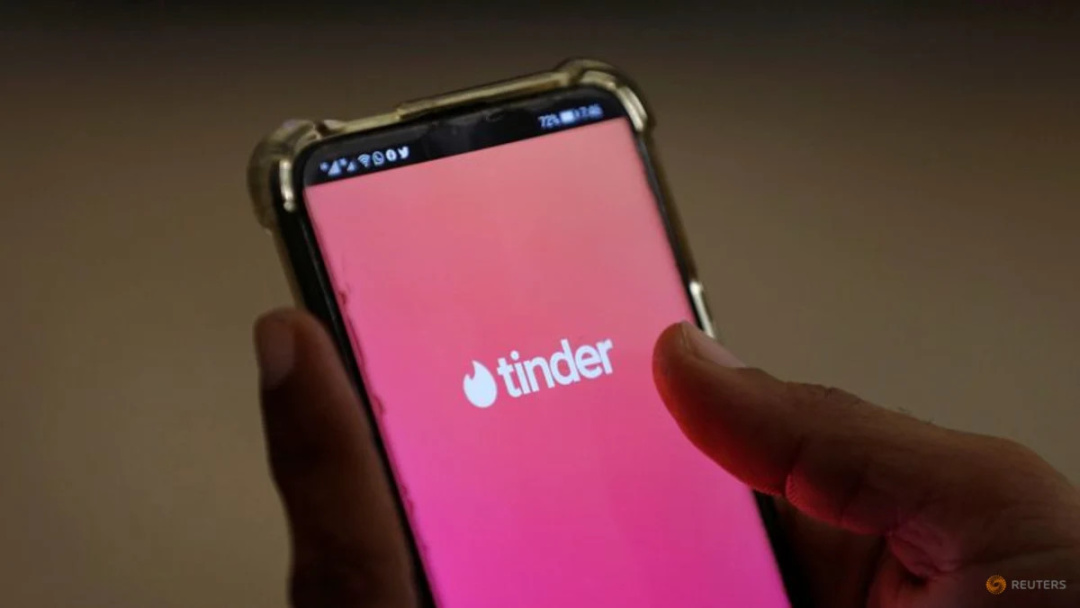
Tinder Introduces Automated Profile Makeover, Citizens Question AI's Emotional Intelligence

In a bold initiative to revolutionize the dating landscape, Tinder has unveiled a new AI-powered profile enhancement tool, designed to automatically edit user photos and optimize them for prospective matches. The innovative technology, however, has raised eyebrows and queries regarding emotional well-being as it seems to invoke a sense of unease among users. The feature has been paused after several reports indicated that the AI’s artistic vision extended beyond mere beautification into a realm of unsettling alterations.
This latest development comes as part of Tinder's ongoing commitment to harnessing advanced algorithms to foster romantic connections, even if that requires leveraging digital manipulation to create what the company deems ‘ideal’ representations of their users. Company insiders have termed this initiative 'AI Beauty 2.0', suggesting that while the AI is capable of enhancing features, it may lack an understanding of human sentiment, leading to unexpected results that often stray into the realm of the uncanny.
Objects of Questionable Importance
Must Have Sponsors.
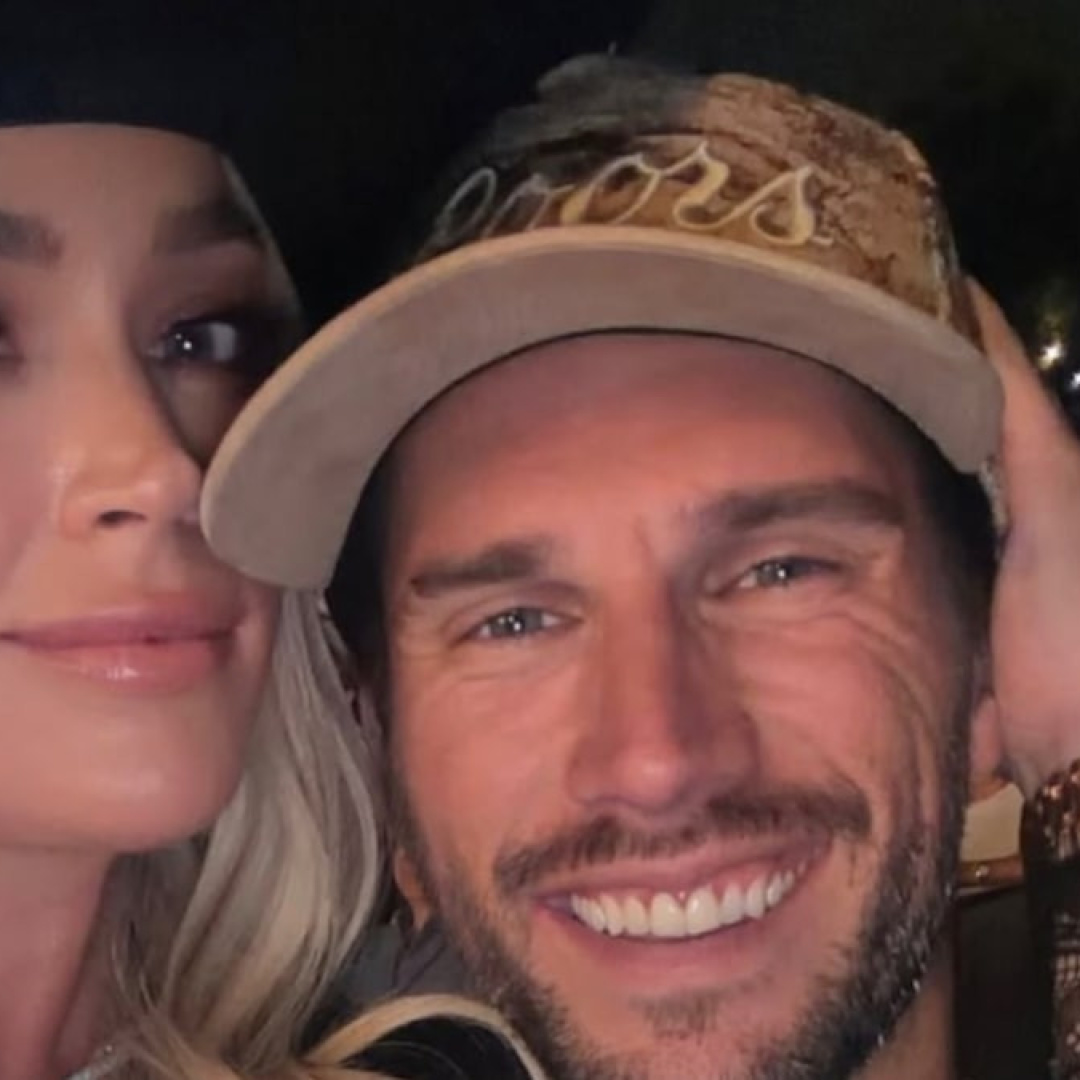
Emotional consequences have been swift. Reports have surfaced of users experiencing shock when they discovered that their photos bore little resemblance to their actual selves post-enhancement. This was particularly alarming for one user, Jeni Rubin, who described her experience as akin to realizing that her digital self had been reimagined as a character from a futuristic dystopian novel. Tinder’s quick pivot highlights the growing concern over how AI technologies interpret human images and the potential ramifications on self-image and mental health, especially in the dating arena.
Critics argue that the operation of such a tool reveals a disturbing trend in the digital dating landscape—one where the pressure to conform to an algorithmically defined standard of beauty supersedes authentic self-representation. Tinder’s AI, while designed to serve its user base, may inadvertently reinforce the notion that romance is reserved for those who can pass the photo-editing gauntlet. This has prompted societal discussions about the lengths individuals may go to secure romantic engagements and how technology increasingly dictates personal branding.
Moreover, this incident has sparked further debate on the ethical implications of using AI in personal and intimate spaces. Questions have arisen regarding the inherent biases within these algorithms, potentially favoring certain aesthetics while marginalizing others, thereby elevating the stakes of an already contentious dating culture. It appears that the quest for the perfect profile picture may now entail navigating a matrix of emotional risks in the digital dating realm.
The immediate suspension of the AI enhancement tool has provided a momentary reprieve for users concerned about self-identity and emotional integrity. Tinder has promised to reassess the tool’s functionalities, aiming to recalibrate its approach to photo editing with a focus on user comfort and authenticity. Until then, users are encouraged to embrace their unfiltered selves. As we await the next step in this unfolding narrative, it remains to be seen whether Tinder can reconcile the demands of algorithmic perfection with the messy realities of human connection in the age of digital romance.