Tinder Introduces Revolutionary Photo Filter: 'This Isn't My Face, But Who Cares?'
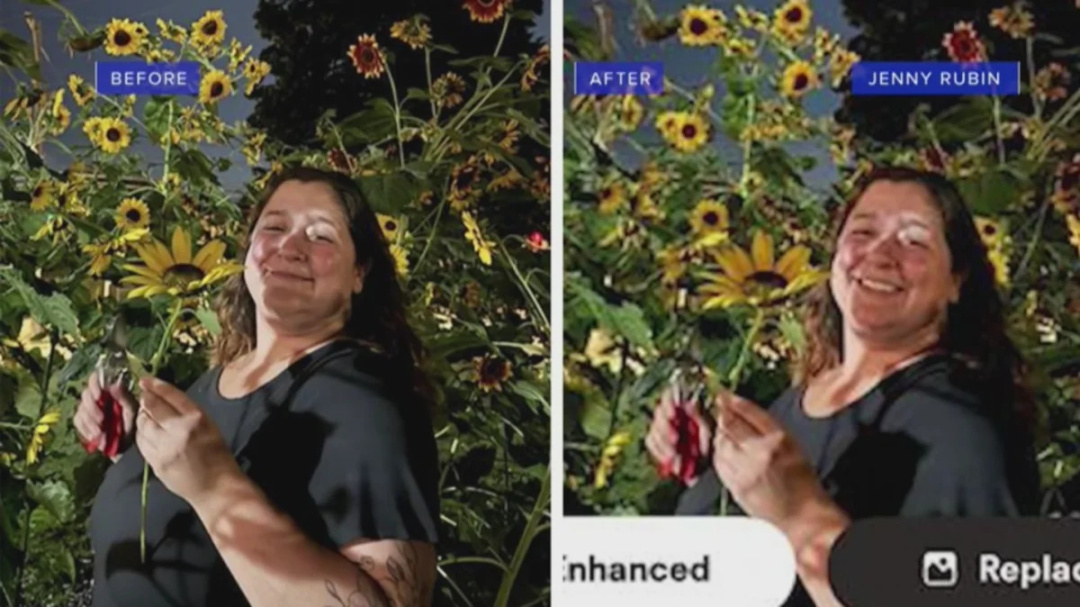
In an unprecedented leap toward unparalleled self-reinvention, Tinder has announced a bold new feature that transforms users’ photographs into impossibly idealized versions of themselves. Tentatively dubbed "The Dream Filter," this innovation promises to reshape the dating landscape, allowing individuals the opportunity to present their most aspirational selves, regardless of reality. Industry insiders reveal that the filter will not only enhance smiles and jawlines but will also seamlessly erase any trace of authenticity from the dating process. Experts in the field suggest that this vital step forward in technological advancement paves the way for what some are calling 'algorithmic dating.' The emotional ramifications remain to be fully disclosed, but initial surveys indicate a significant uptick in profiles depicting individuals with fully symmetrical faces, impossibly bright teeth, and, in some cases, entirely different hair colors. The public response has varied, with some users expressing concerns over the validity of the identities portrayed and others simply exclaiming, "This is finally the version of me I deserve!" The shift in perception has drawn attention from psychological analysts, who now speculate on a potential rise in self-esteem among users who previously felt hindered by their own natural features. As Tinder prepares for a wave of user engagement, they have acknowledged the recent pause on similar AI enhancements due to complaints of unwanted alterations from existing users. The company reassured its community that this new filter would be a voluntary enhancement, enabling individuals to choose how they wish to present themselves in the digital realm. When questioned about the feedback received from users regarding previous AI enhancements, a spokesperson stated, "We simply could not ignore the overwhelming feedback that users felt violated by seeing an AI-enhanced version of themselves that may not correspond with their actual appearance. We are committed to empowerment without the burden of reality." Critics have pointed to the inherent contradictions of this endeavor — a space where users are encouraged to be unapologetically themselves while simultaneously conforming to an idealized standard that is anything but authentic. Nevertheless, advocates for the evolution of online dating insist that the new feature merely reflects the complexities of modern romantic interaction in an ever-curating digital world. As with any major corporate innovation, the ultimate question looms: will users embrace the opportunity to redefine their identities on a platform that simultaneously challenges the very concept of self-expression? Only time will tell if the pursuit of an idealized self will result in deeper connections or simply a greater pool of potential date options that look nothing like their profiles.
Objects of Questionable Importance
Must Have Sponsors.