New Anti-Aging Treatment Promises To Turn Back Time Using Actual Dead Skin Cells
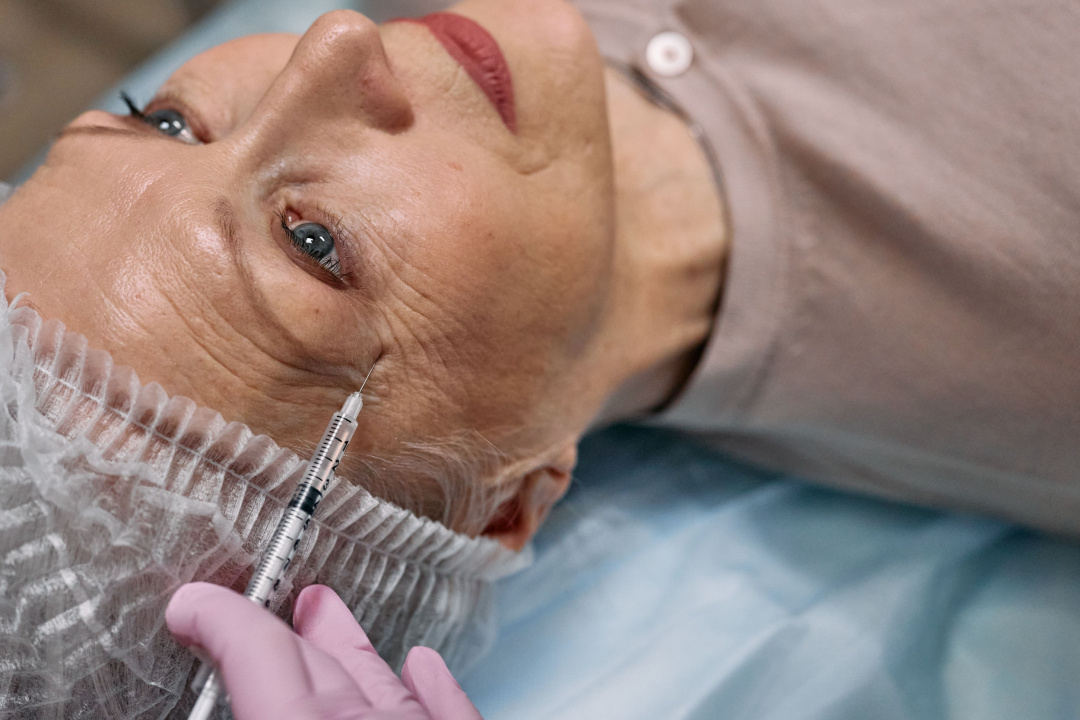
In an unprecedented merger of skincare and sustainability, leading dermatological experts have unveiled an innovative method for achieving youthful skin: an injectable serum derived from ethically sourced human skin. Dubbed "Eternal Youth Skin Solution," this anti-aging product aims to revitalize complexions by literally borrowing from the past—quite literally.
As the demand for flawless skin grows ever more insatiable, beauty enthusiasts are enthusiastically lining up for treatments that promise smoother textures and increased elasticity using the proteins of previously living, breathing human beings. Initial trials in South Korea suggest that patients have reported a 200% increase in satisfaction as they smoothly navigate their post-treatment lives, replete with rejuvenated self-esteem and Instagram-ready glow.
Objects of Questionable Importance
Must Have Sponsors.
Industry insiders indicate that this trend could soon sweep the United States, prompting beauty influencers to rush to declare their commitment to ethical beauty practices. Early adopters of the treatment have enthusiastically shared their before-and-after selfies, showcasing plumper cheeks and an astonishing lack of ethical dilemmas—all while promoting the importance of recycling in the beauty industry.
Cultural analysts are quick to underline the importance of this treatment within the context of emerging beauty standards, pointing to a burgeoning acceptance of what was once considered taboo in the name of skin health. "It’s about time we transcend the outdated notions of aesthetics and embrace the true essence of what it means to be beautiful," one influencer noted, while simultaneously accepting sponsorship from the skin donor program.
As the market gears up for the official U.S. launch, beauty product distributors are reportedly developing comprehensive marketing strategies that stress the sustainability of the product. Advertisements tout phrases like "From Deceased to Divine" and "Embrace Life, Even After Death!" The underlying message echoes a growing cultural shift: it’s not just enough to look good; one must actively participate in the recycling of beauty through every conceivable means.
In a world where the pressure to maintain youthful looks often results in extreme measures—think extensive skincare regimens or dramatic plastic surgeries—this new approach offers an unsettling but intriguing alternative. By integrating the actual essence of human life into the skin care routine, consumers can now reclaim their youth without ever having to step into a clinic for invasive procedures, thus sidestepping the emotional baggage that accompanies conventional beauty enhancements.
The ethical implications abound, however, and experts caution that while the product may appeal to the vanity-driven consumer, society must grapple with the philosophical questions it presents. Can a culture truly be sustainable if it capitalizes on human remains? Is this the next step toward achieving the proverbial fountain of youth? Or does it simply mean society is now willing to take beauty tips from beyond the grave? Only time—and perhaps a few more focus groups—will tell.