Influencer Introduces New Tradwife 2.0 Model: Now With More Corporate Ambition
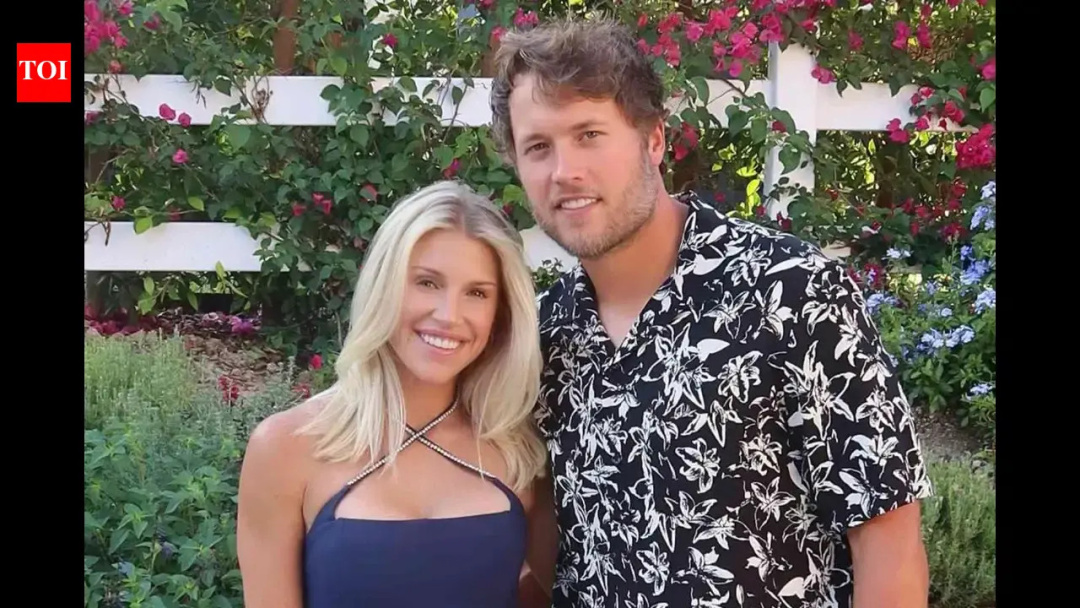
In a groundbreaking development within influencer culture, the new Tradwife 2.0 model has been officially introduced, combining the age-old principles of homemaking with the relentless pressures of corporate ambition. Market analysts note that this innovative model strives to uphold the traditional tenets of femininity while simultaneously managing an influencer career, effectively doubling the workload of the average woman while maintaining an illusion of ease and perfection.
Tradwife 2.0 claims to provide the best of both worlds, offering a lifestyle that includes baking sourdough bread from scratch in designer aprons while simultaneously pitching brand partnerships to major companies. Experts suggest that this duality could redefine the parameters of the modern woman, who is now expected to master family dynamics, social media algorithms, and a burgeoning line of scented candles—all in the same day.
Objects of Questionable Importance
Must Have Sponsors.
One key feature of the Tradwife 2.0 model is the integration of self-care routines that prioritize both physical beauty and emotional resilience. The latest research from the Institute of Influencer Studies indicates that women must now spend no less than three hours each day crafting the perfect ‘effortless’ look while engaging in daily affirmations about their capability to ‘do it all.’ This model perfectly encapsulates the contemporary paradox of being both a nurturing wife and an independent career woman, while still adhering to the societal expectations of beauty.
Critics have pointed out the inherent contradiction in promoting a lifestyle that is marketed as ‘traditional’ but requires an extensive team of makeup artists, social media consultants, and personal chefs. This has led to the emergence of the phrase ‘pseudo-tradition’ among social commentators, highlighting how the influencer-driven economy is fundamentally at odds with the very ideals it purports to espouse. The Tradwife 2.0 model, therefore, positions itself as not merely a lifestyle choice but a full-time profession, complete with brand deals, sponsorship contracts, and influencer conferences that focus on the ethical implications of high-fructose corn syrup in homemade pies.
In an effort to engage younger audiences, the Tradwife 2.0 campaign has also begun incorporating elements of gamification. Women are encouraged to participate in challenges that include rapid-fire cooking competitions, home décor makeovers, and social media engagements that reward them with points redeemable for exclusive merchandise. This approach not only enhances the product line’s appeal but also mitigates the increasing pressure of burnout among those in the influencer space. After all, what better way to keep women engaged than to transform homemaking into a competitive sport?
Moreover, the Tradwife 2.0 initiative has prompted a wave of rebranding among previous traditionalist influencers who are pivoting to maintain relevance in a rapidly evolving market. They are now claiming to empower women through the fantastical illusion of limitless options, all the while upholding the notion that they can achieve both the diamond ring and the corporate ladder all in a single social media post without breaking a sweat.
As the Tradwife 2.0 model takes center stage, experts encourage women to embrace the idea that they can indeed ‘have it all,’ so long as they ignore the mounting evidence that suggests this is an unqualified fantasy. The inherent conflict between the demands of influencer culture and traditional femininity is expected to fuel future developments in this ever-evolving narrative, with market observers keenly watching how the next generation of women will navigate these contradictory expectations. The future of womanhood, it appears, may well hinge on the ability to flawlessly juggle an array of impossible standards while remaining committed to the art of performance—and all this under the guise of authenticity.