New Study Reveals Teen Fashion Choices Must Conform To Historical Authenticity Standards
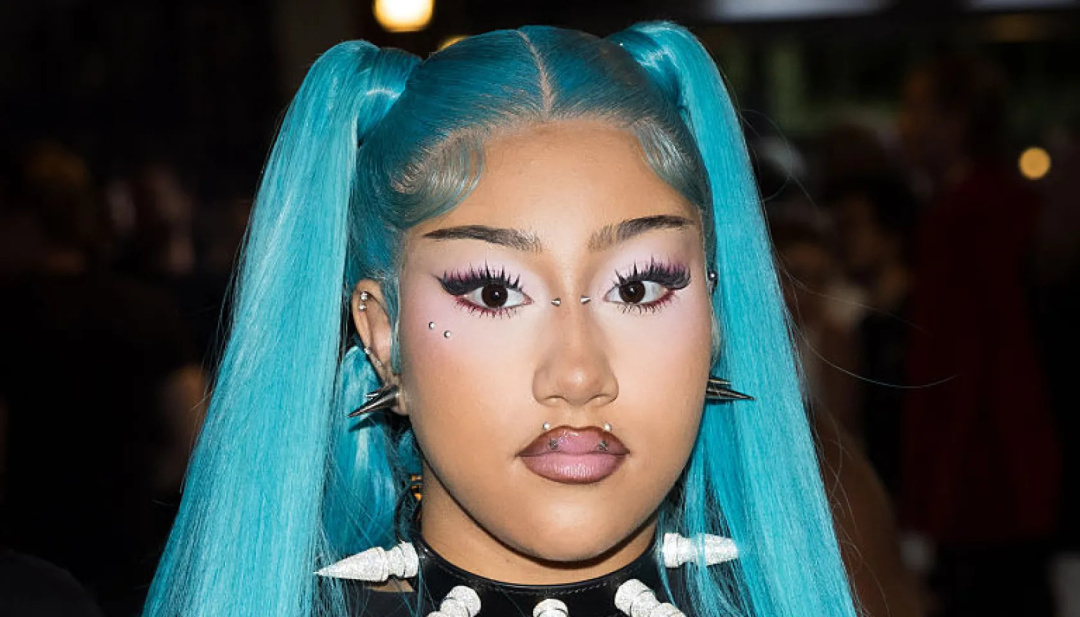
In an unprecedented move, the Fashion Institute of Cultural Relevance (FICR) has released a comprehensive study dictating that all teenage fashion choices must now align with historical authenticity standards. This new mandate is aimed at mitigating the chaos introduced by youthful self-expression, which, according to the FICR, threatens the very fabric of well-structured societal norms.
The report highlights that young individuals are now required to integrate a historical context into their wardrobes. For instance, adolescent girls are advised to ensure that their piercings are historically inspired, with specific recommendations to mimic styles from the Victorian era, ancient Rome, or even the Renaissance. Failure to comply with these guidelines could result in being labeled as out-of-touch trendsetters or, worse, victims of fashion anarchy.
Objects of Questionable Importance
Must Have Sponsors.
"It's about time we put an end to this rampant individualism among teenagers," declared Dr. Eleanor Chastity, lead researcher at FICR. "The youth of today are grappling with an overwhelming array of choices, and it’s our responsibility to guide them toward the rightful sartorial path of history. Why be original when you can be historically correct?"
The report comes on the heels of discussions surrounding the recent fashion choices of public figures, notably young individuals like North West, who have dared to challenge the status quo with their experimental styles. Dr. Chastity argued that such displays of deviance only serve to confuse impressionable minds, leading them to believe that personal expression can exist outside rigid historical frameworks.
To further assist in compliance, FICR has introduced a new app—“Historically Accurate Fashion Finder”—designed to help teens identify which historical eras suit their personal aesthetic. Users will input their current fashion choices, and the app will cross-reference against a database of historical garments to suggest appropriate adjustments. For example, if a teenager’s preference leans toward modern punk with piercings, the app will recommend a tailored Victorian gown with strategically placed brooches as an alternative.
This initiative has received mixed reactions from the public. Proponents applaud the move as necessary for nurturing a generation that appreciates the depth of fashion history. In contrast, critics argue it stifles creativity and autonomy. One outspoken mother lamented, "What’s next? Forbidding my daughter from wearing anything that isn't a corset?"
Despite the backlash, FICR remains resolute in its approach. In an official statement, they stressed the importance of a coherent narrative through fashion, insisting that every generation must strive to reflect the eras that came before them. Ideally, with rigorous adherence to historical standards, society could engender an era of responsible trend-setting that celebrates the past while simultaneously preparing youth for future fashion validations.
Looking forward, FICR plans to host a series of workshops titled “Reinforcing the Past: A Teen’s Guide to Timelessness.” The workshops aim to educate the youth on the art of historical reference in their wardrobe choices, with hands-on activities including embroidery of period motifs and the proper use of a corset.
As we anticipate the future, one must wonder: will today’s teens rise to the challenge, or will they continue to embrace the chaos of self-expression? Only time will tell if they can thread the needle between historical reverence and the individualism that defines modern youth culture.