New Study Shows Women Are Actually Harder to Kill Than Previously Thought
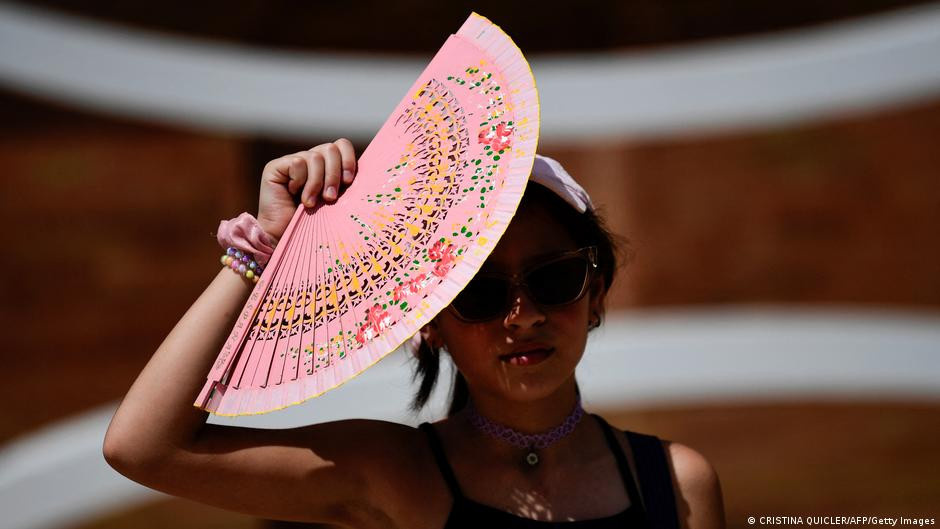
In an unprecedented development reminiscent of a breakthrough in climate science, recent studies indicate that women are actually harder to kill than previously thought, particularly during heatwaves. This revelation has sent ripples through the public health community, shaking the foundations laid by misguided theories attributing heat vulnerability primarily to biology. Instead, the research points squarely at social dynamics and structural inequities as the main drivers behind women's increased mortality in extreme heat conditions.
Historically, the narrative surrounding women's resilience in the face of heat has been fraught with misconceptions about their biology. Various media outlets have perpetuated the myth that hormonal fluctuations make women less capable of withstanding elevated temperatures. However, leading environmental epidemiologists have refuted these claims, asserting that the differences in heat resilience between genders are minimal. The overwhelming consensus is that social circumstances far outweigh biological factors in determining heat-related fatalities.
Objects of Questionable Importance
Must Have Sponsors.
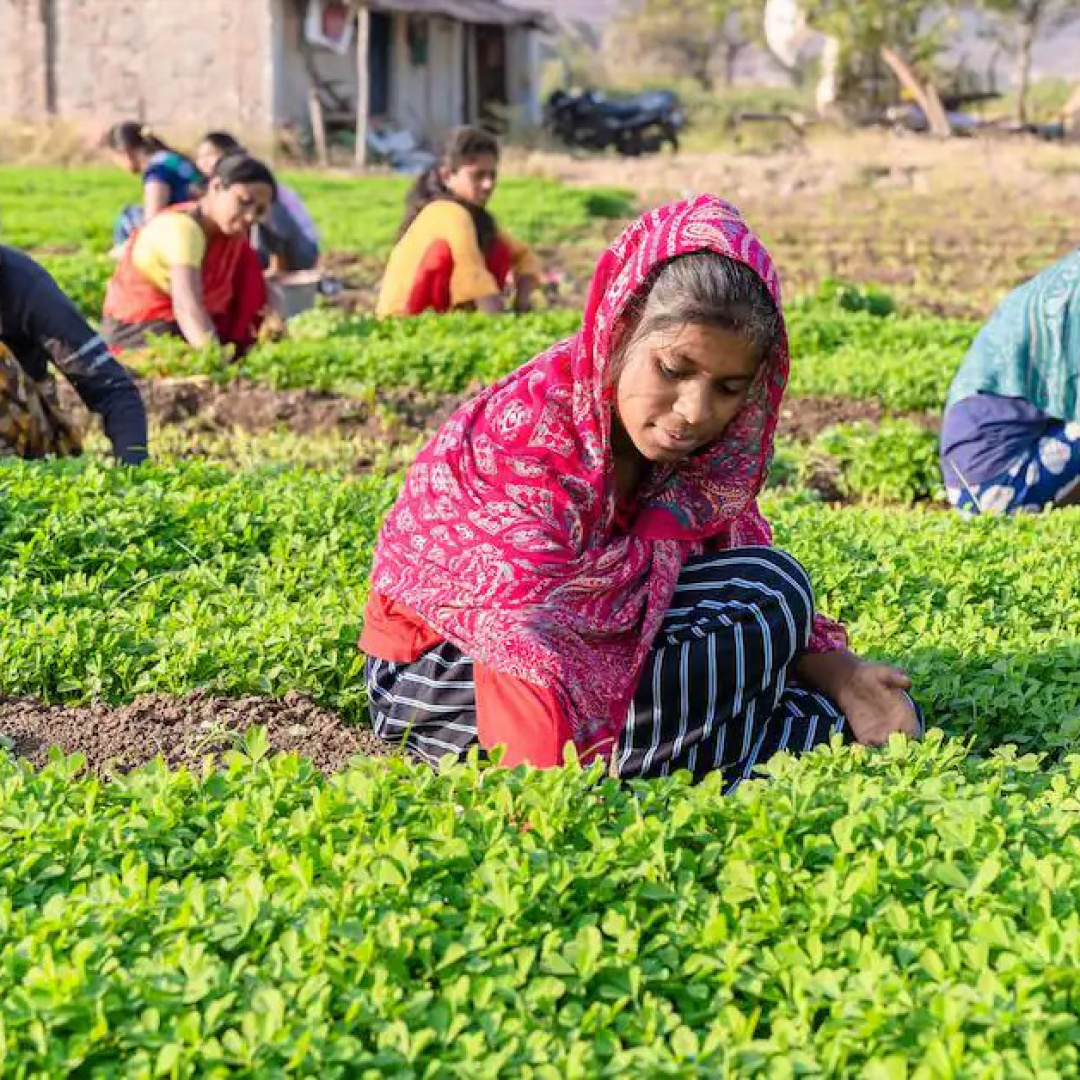
The prevailing argument elucidates how factors such as age, occupational exposure to heat, and access to adequate rest significantly influence survival outcomes. Women often occupy positions in sectors like construction and agriculture, where they experience elevated heat stress compared to their male counterparts due to a myriad of factors, including the attire they are required to wear and a general societal reluctance to recognize their labor as deserving of rest breaks. This distinction is particularly poignant when juxtaposed against the visible strain faced by men in labor-intensive roles, which garners immediate attention and remedial action.
Moreover, women tend to seek medical assistance more readily than men, which skews statistical data on health outcomes. This proclivity for early intervention has unwittingly positioned women as statistically more vulnerable, purely due to their higher rates of medical engagement rather than an actual physiological susceptibility. The data is misleading; it’s not that women are more likely to suffer in heat — they are simply more proactive about their health.
As we dive deeper into the research, it becomes increasingly clear that the looming threat of heat-related mortality is not merely an atmospheric condition but rather a complex social construct. Structural barriers, from workplace policies to societal norms about gender roles, play a pivotal role in shaping outcomes. Women often remain engaged in domestic labor and caregiving even after enduring long hours in heat-stressed environments, leaving them little opportunity to recuperate.
The implications of these findings are profound. Moving forward, public health protocols must shift from a narrow focus on biology to a broader understanding of the social fabric influencing women’s health. Addressing these disparities is not just a matter of refining our scientific understanding; it involves a fundamental reevaluation of how society values women's labor and health.
Consequently, as discourse on climate resilience expands, it is imperative that policymakers and health officials adopt a more nuanced approach that considers the diverse challenges faced by women in the workplace. Ignoring these layers not only undermines the research but also perpetuates the very inequities that lead to unnecessary loss of life during heatwaves. The next steps for scientists and advocates alike will be to continue dismantling outdated narratives while championing structural changes that prioritize women's health and wellbeing in an increasingly volatile climate.