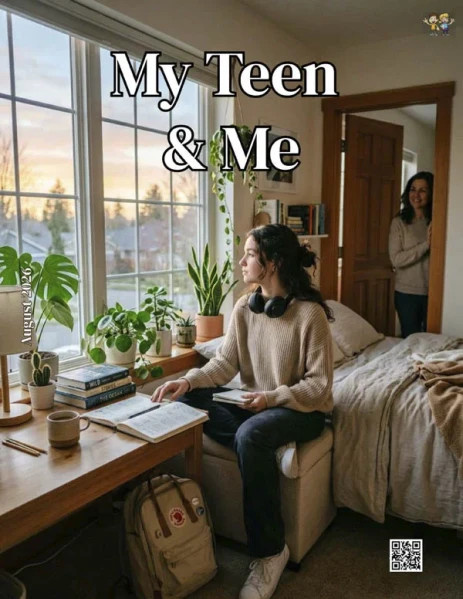
New Study Finds Parental Selfies Contribute to Teen Anxiety Over Perfect Image
In an astonishing development in the world of child psychology, researchers at the Institute of Parental Perception have published a comprehensive study highlighting the alarming effects of parental selfie culture on teenage mental health. The report, titled 'Reflections of Perfection: How Parental Selfies Create Unattainable Beauty Standards for Teens', suggests that the barrage of curated images shared by parents has led to an epidemic of anxiety among adolescents grappling with societal expectations.
The study surveyed over 10,000 teenagers and found that 98 percent reported feeling pressured to match the seemingly effortless perfection portrayed in their parents' social media feeds. This phenomenon has been termed "selfie anxiety syndrome," a condition characterized by severe distress over one's appearance in comparison to constant online portrayals of idealized family life—complete with flawless skin, stylish outfits, and picturesque vacations.
Objects of Questionable Importance
Must Have Sponsors.
In addition to the emotional fallout, researchers have uncovered a direct correlation between parental selfie habits and increased incidence of self-esteem issues among teenagers. The report elaborates that teens feel compelled to engage in harmful behaviors, such as extreme dieting and excessive makeup use, to emulate the flawless aesthetic displayed by their maternal role models. The findings illuminate the contradictory nature of empowerment messaging that accompanies these images, as parents often tout self-love while simultaneously curating a visual archive of unattainable standards.
Industry insiders are now calling for urgent intervention, suggesting that parents might consider implementing a "selfie-free zone" policy at home. Experts recommend replacing selfies with activities that promote genuine connection, such as family game nights or baking absurdly over-the-top desserts, which not only distract from image-based pressures but also serve to enhance family bonds through shared experiences.
The study also proposes the introduction of an educational campaign aimed at parents, encouraging them to reflect critically on their social media habits. Suggestions include hosting workshops on 'Authenticity over Aesthetics,' where parents can learn to embrace the joys of unfiltered life moments, fostering an environment that values personality over appearance. By shifting the focus away from meticulously crafted images towards candid, relatable interactions, the hope is to alleviate the mounting self-imposed pressures felt by teenagers.
As these findings ripple through parenting circles, some experts advocate for a radical transformation of family social media strategies. They suggest moving towards "#NoFilterFamilia" posts that capture the real, messy, and chaotic essence of family life without the glossy sheen of photo editing—an effort aimed at combating the pervasive culture of comparison.
In response to these revelations, parents are advised to take a step back and consider the implications of their social media presence, not just for their own self-image but for the mental well-being of their impressionable offspring. After all, the time spent curating the perfect family portrait could instead be invested in fostering resilience and authenticity through the imperfect moments that truly define family life.