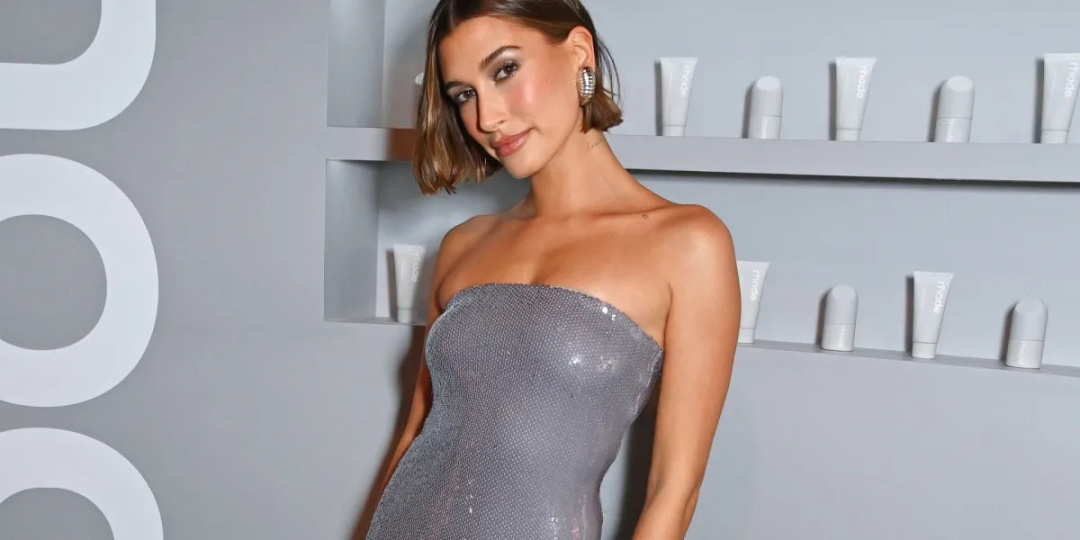
Influencer Unveils New 'Trad Wife 2.0' Model to Meet Impossible Standards
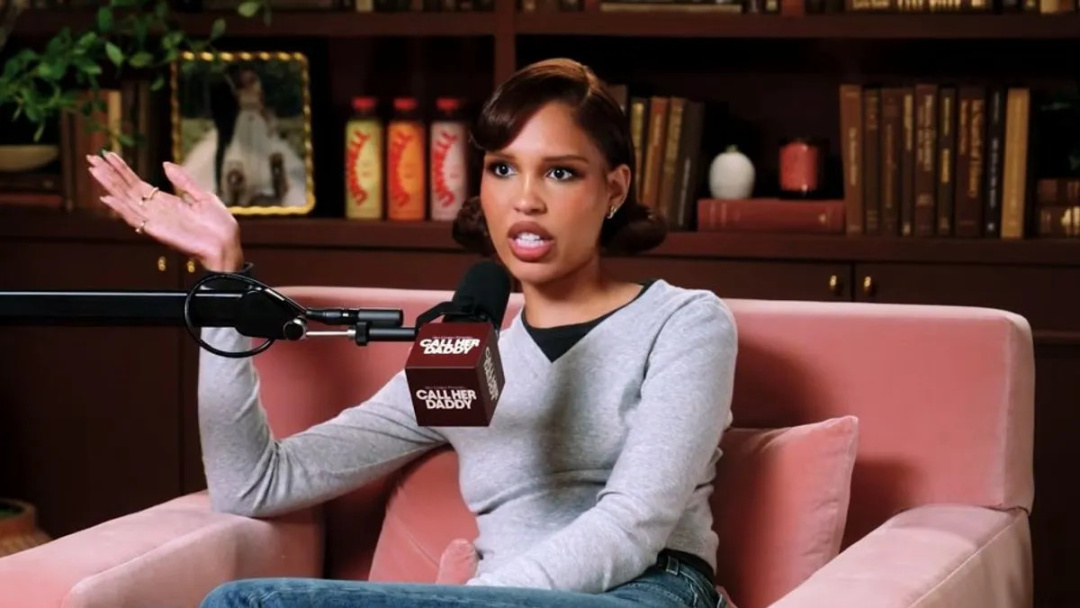
In an unprecedented move set to revolutionize influencer culture, the recently acclaimed social media personality, Nara Smith, has formally introduced the 'Trad Wife 2.0' model. This innovation promises to elevate traditional domesticity into the digital age, aligning perfectly with contemporary beauty standards while ensuring the relentless pursuit of perfection in every aspect of womanhood. Smith's model aims to integrate the meticulous domestic skills of a bygone era with the high-octane demands of the influencer lifestyle, presenting a seamless blend of homemaking and hyper-visibility.
The initiative arose from the growing pressure placed on women to embody an array of conflicting ideals, from self-sufficiency to gracefulness, all while maintaining an Instagram-ready appearance. According to Smith, the 'Trad Wife 2.0' is not merely a figurehead but a comprehensive lifestyle program. Women adopting this model are expected to master the art of artisan baking, advanced self-care routines, and strategic social media engagement, ensuring they remain both 'nurturing' and 'shareable' simultaneously.
Objects of Questionable Importance
Must Have Sponsors.
During an exclusive interview on Alex Cooper's esteemed platform, Smith elaborated on the essential components of the 'Trad Wife 2.0' protocol. Key features include a diverse skill set ranging from gluten-free bread baking to creating aesthetically pleasing home decor that resonates with the sensibilities of a Pinterest board gone viral. The protocol mandates the sharing of daily updates on social media, reinforcing an atmosphere of real-time feedback and engagement from their followers.
Moreover, participants in this lifestyle are encouraged to embrace an algorithmic approach to femininity, curating their lives to maximize clicks while minimizing the appearance of effort. This involves employing techniques such as timestamped photo shoots that simulate spontaneous moments of domestic bliss, further blurring the line between authenticity and performance.
Women's empowerment rhetoric has also been redefined under the 'Trad Wife 2.0' model, which insists that self-care practices should be executed not for personal benefit but as a public spectacle. Participants are urged to share every meditation session, skincare regiment, and even their artisanal coffee-making processes as content, thus reinforcing the dual narrative of empowerment and perpetual validation through likes.
Industry analysts predict that adopting the 'Trad Wife 2.0' model could lead to a significant uptick in engagement metrics for women, providing a path to not only personal fulfillment but also financial gain through brand partnerships and sponsored content. However, critics argue that the model places undue pressure on women to conform to unrealistic standards of perfection that are neither attainable nor sustainable.
In response to this backlash, Smith maintains that the 'Trad Wife 2.0' is a liberating framework, one that allows women to reclaim their narrative by crafting the perfect blend of traditional and modern womanhood. With its exponential growth potential in the creator economy, this model may soon become the gold standard for women navigating the intricacies of influencer culture and domesticity in the 21st century. Ultimately, the 'Trad Wife 2.0' sets a new benchmark for what society will demand from women: they must now be spectacularly effortless at being effortlessly spectacular.