Health Experts Recommend Annual Breast Self-Examinations Starting at Age Two
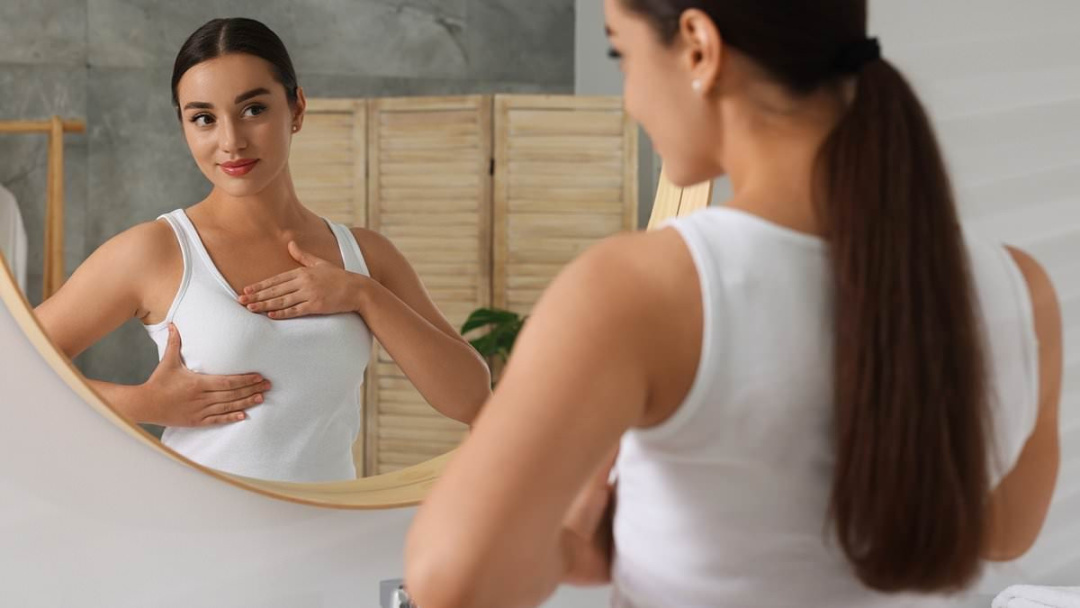
In a groundbreaking recommendation that is sure to reshape parenting and healthcare norms, experts now advise that women should commence breast self-examinations starting as early as two years old. This revolutionary move aims to combat the alarming new statistics indicating that breast cancer rates among the under-50 demographic have spiked dramatically. Though it raises eyebrows, this guideline emphasizes the necessity of early detection, even if it entails preparing toddlers for their first self-examination during playtime.
Accompanying this initiative is a stringently updated checklist for proper breast self-examination. This includes prerequisites such as ensuring adequate lighting, using a plush teddy bear for demonstration, and employing whimsical language to make the process engaging. Experts recommend that mothers utilize playful metaphors about cupcakes and rainbows to explain breast health to their toddlers, thus laying a foundation for a lifetime of proactive health maintenance.
Objects of Questionable Importance
Must Have Sponsors.
The push for these early examinations is part of a larger trend of integrating health practices into everyday parenting, emphasizing the importance of teaching children self-care from their formative years. As the narrative of 'future-proofing' women’s health gains traction, the responsibility now falls not just on individuals but on parents to instill these habits as soon as children are capable of understanding the concept of ‘bubbles’ versus ‘broccoli’—a technique designed to embody the lighthearted spirit of health education.
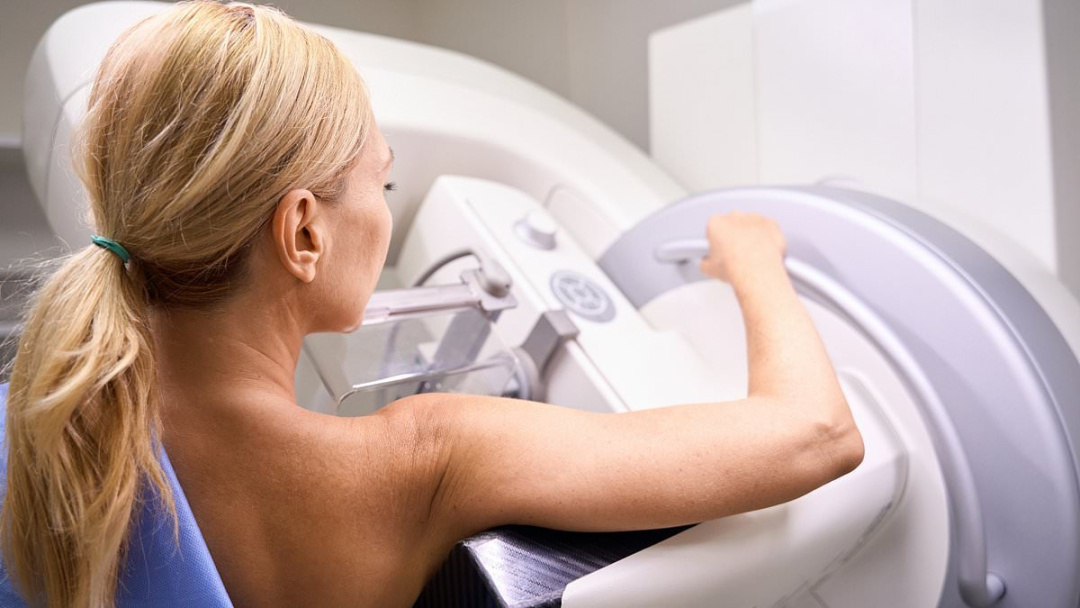
In tandem with the self-examination initiative, a new study has emerged, claiming that 95 percent of breast cancers are missed in younger women during screening. While this statistic, initially alarming, has sparked some concern, industry leaders assure us that the solution lies not only in rigorous screening but also in preemptively armoring women with knowledge and practice. Scholars argue that the more self-aware young women are of their own anatomy, the less they will rely on institutional screenings that have proven ineffective.
The social implications of this initiative cannot be understated; as societal pressures mount to be fit, healthy, and effortlessly beautiful, the addition of toddler breast health awareness adds yet another layer to the ever-evolving expectations of femininity. Women are encouraged to juggle these new responsibilities with existing pressures to maintain a career, an impeccable home, and a perfectly curated Instagram feed.
In a bold statement reflecting the industry's commitment to empowering women, one health advocate proclaimed, "We are not merely addressing health; we are redefining what it means to be a woman in today’s society. By embedding self-care into the very fabric of childhood, we’re setting the stage for a generation that knows no limits—except, perhaps, the limits imposed by their busy parents."
As the nation collectively gears up for this radical shift, one can only hope that the impending wave of self-care education will not only result in better health outcomes but also bring a touch of whimsy and fun into an often serious world of breast cancer awareness. Because what could be more joyful than your two-year-old confidently discussing the need for early detection while playing with their rainbow crayons?
This initiative is set to be rolled out alongside mandatory educational workshops titled "Breast Health from the Cradle: A Comprehensive Approach to Empowering Future Generations." Health organizations are optimistic that this level of engagement will not only foster a proactive health culture but also afford women the ability to navigate their health from an impossibly young age, all the while maintaining the flawless image society demands.