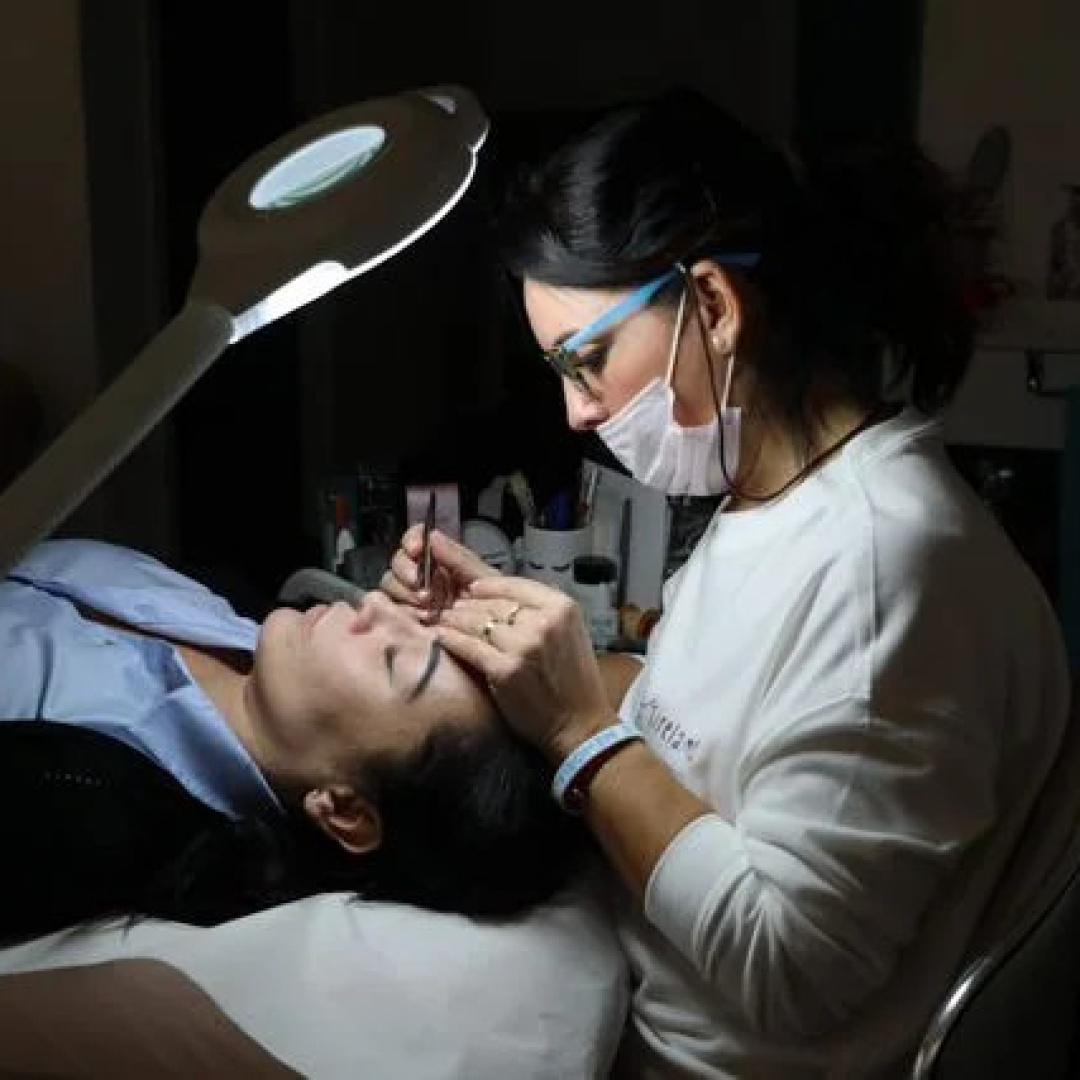
New Study Confirms Self-Love Is Best Accompanied By $300 Serums And Daily Affirmations
In a stunning revelation from the Institute for Unrealistic Standards, researchers have published a study confirming that self-love, while critical, is most effective when paired with a strict regimen of high-priced serums and motivational affirmations delivered at least five times a day. The findings indicate that inner confidence, rather than being a self-sustaining virtue, is heavily influenced by external factors, including but not limited to the number of followers on social media and the caliber of products one uses.
Dr. Alana Perception, lead researcher, stated, "Our data shows that women who invest significantly in beauty routines report a 78% higher level of self-esteem compared to their counterparts who simply engage in self-acceptance based on their personality or inner worth. The participants who consistently used products marketed as 'self-care essentials' experienced an unprecedented boost in confidence, despite holding the same job or living circumstances."
Objects of Questionable Importance
Must Have Sponsors.
The study utilized an innovative metric called the Beauty Expense Index, which ranks participants by their monthly spending on beauty products and wellness trends. While some may argue that true self-worth should not be contingent upon outward appearances, the researchers argue that perception is reality, and if society deems flawless skin as a benchmark for success, then it must be pursued vigorously.
Dr. Perception emphasized the importance of daily affirmations delivered via high-quality audio sources, stating, "Listening to affirmations through a premium sound system amplifies the effect. An affirmation from an influencer is particularly potent if followed by a visual of them wearing the latest fashion trends. This creates a synaptic response that drives home the message of self-worth being directly linked to appearances."
Furthermore, the study found that among women who combined self-love practices with membership in expensive wellness clubs, confidence levels surged significantly. Women participating in yoga sessions while wearing athleisure labeled as 'clean girl aesthetic' reported feeling more empowered, thus reinforcing the idea that inner peace must be earnestly marketed through outward displays of perfection.
Responses to the findings were mixed, with some advocating for a more holistic approach to self-esteem that does not rely solely on societal validation. However, Dr. Perception firmly rejected these sentiments, stating, "If you want to feel good about yourself, self-love should come with a price tag. After all, self-esteem doesn't just grow on trees; it blooms through a meticulous regimen of skincare and lifestyle branding."
In summary, the study advises women everywhere to embrace the paradox of self-love through relentless consumerism, underscoring that financial investment in beauty is inseparable from emotional well-being. The Institute for Unrealistic Standards plans to continue its research into the effectiveness of beauty apps and the psychological impacts of filters in shaping societal views on self-worth. Future studies will also explore whether engaging with positive affirmations while scrolling through influencer feeds has a compounding effect on general happiness levels.
Stay tuned for the next installment in our series, titled "How to Love Yourself While Spending a Fortune on Products You Don’t Need: A Case Study in Absurdity."