New Study Reveals Dating App Users Experience Rise in Imaginary Love Anxiety
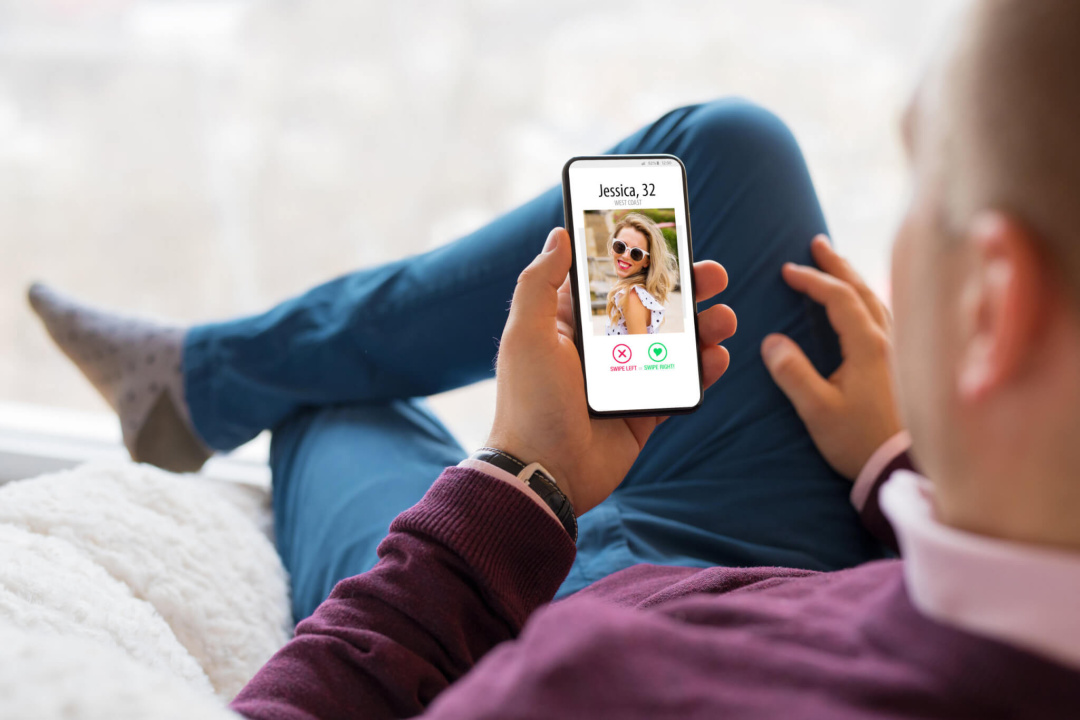
In an unprecedented examination of the digital dating landscape, researchers have discovered that frequent use of dating applications leads to an alarming increase in what experts are calling "Imaginary Love Anxiety" (ILA). This condition emerges from the endless scrolling and swiping that users engage in, resulting in an exaggerated belief that meaningful romantic connections are merely figments of their imagination, best suited for a Netflix original series.
The study, conducted on a highly representative sample of individuals who identified as avid users of various dating platforms, revealed an unsettling correlation between app usage and the participants’ growing disillusionment with the concept of true love. The data indicates that the more users swipe left and right, the more they seem to crave connections that resemble fairy tales in a world where genuine romance has become obsolete.
Objects of Questionable Importance
Must Have Sponsors.
Quantitative findings suggest that individuals with ILA experience a measurable decline in their belief in love's significance. As one participant expressed, "Why would I bother with real chemistry when I can just create a perfect partner by swiping on my phone?" This cultural shift reflects broader societal trends where digital impressions overshadow authentic interactions, making every encounter feel like a fleeting TikTok video rather than a lifelong commitment.
In addition to the emotional ramifications, the research highlights a disturbing trend: the self-reporting of enhanced qualities in non-existent partners. Respondents reported their ideal matches possessing characteristics like a perfect sense of humor, impeccable style, and a deep understanding of their unique Starbucks orders—all attributes that seem to exist solely in the virtual realm. The implications of this phenomenon suggest a generation increasingly incapable of recognizing the nuances of real-life relationships.
Moreover, experts are now advocating for the immediate implementation of a new public health initiative: “Reality Dates.” This program would encourage users to step away from their screens and engage in genuine face-to-face interactions, ideally while wearing less-than-perfect outfits and displaying their actual personalities. Early pilot programs have reportedly met with resistance, as many young adults express concern that meeting people in person could lead to the discovery that their perfect digital matches have absolutely no correlation with actual human beings.
As this study gains traction, the ramifications for dating culture are significant. If users are consistently conditioned to compare real-life partners to their quite literal online fantasies, dating apps may evolve further into realms previously unexplored, pushing the boundaries of modern romance into an entirely new dimension—one where users date holograms or AI-generated companions, thus eliminating any risk of disappointment.
In conclusion, while dating apps provide the convenience of connection, they may also be eroding the very fabric of what it means to love. As society grapples with this new norm, one thing remains abundantly clear: the future of dating is less about finding love and more about creating the illusion of it, beautifully packaged for social media consumption.