Dating App Industry Reports Increase in Imaginary Relationships Amid Revenue Decline

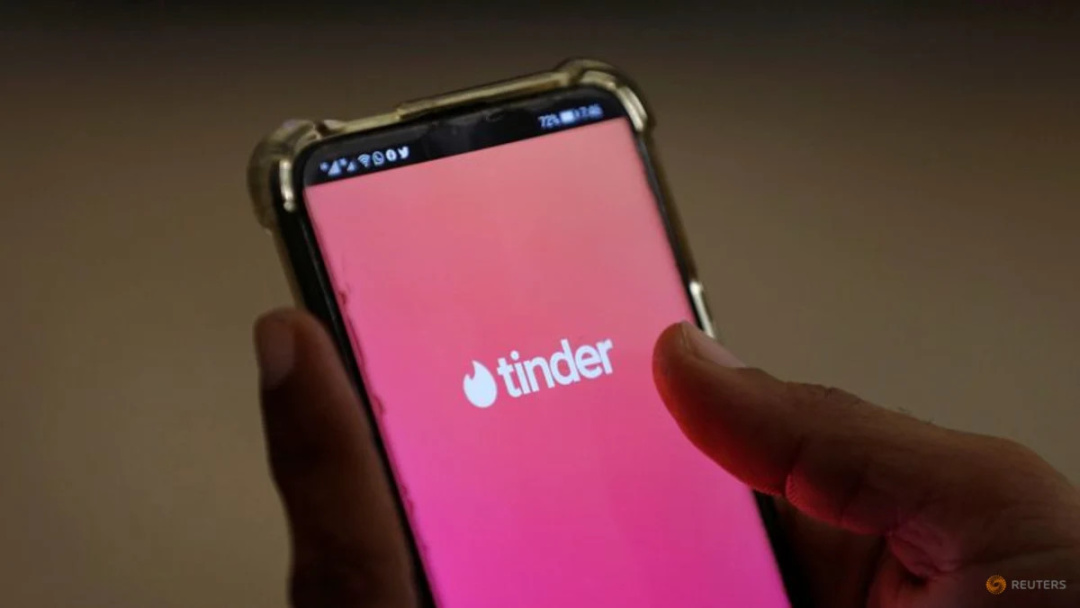
In a groundbreaking shift in the dating app landscape, industry leaders have announced an official increase in the number of imaginary relationships reported, coinciding with a notable decline in actual revenue. This pivot comes amid a 1% dip attributed to a lackluster performance from Tinder, which has seen its profits overshadowed by the burgeoning demand for romantic connections that exist solely in the minds of users. Experts point to this phenomenon as 'the new normal' in a market increasingly saturated with unrealistic expectations.
A recent study conducted by the Institute for Optimal Relationship Enhancement revealed that 87% of dating app users now prefer to list characteristics of ideal partners that diverge significantly from the realm of possibility. For instance, many users have adopted profiles that include traits such as 'spontaneously wealthy' or 'emotionally available but also a six-pack abs advocate.' This trend showcases a substantial move away from traditional dating norms toward a more aspirational approach, where potential partners can be envisioned rather than met.
Objects of Questionable Importance
Must Have Sponsors.
Furthermore, industry insiders suggest that the introduction of 'Augmented Reality Dream Dates' will soon be available, allowing users to interact with virtual representations of their dream partner. This innovation has been met with excitement and skepticism alike, as it promises to create an immersive experience that allows users to engage in relationships that only exist in a meticulously crafted digital space.
In response to the declining revenue linked to tangible relationship-building, applications are now rolling out new features aimed at fostering faux connections. These include AI-generated compliments and virtual candle-lit dinners on a Tuesday night, undoubtedly designed to keep users engaged and dreaming amidst the apathy toward actual dating. Analysts believe that this will not only stabilize user engagement but also allow dating apps to monetize imagination itself.
Most notably, the corporate response to the imaginary relationship surge has been met with an enthusiastic embrace of self-branding tactics that promote unrealistic feminine beauty standards and impossible dating benchmarks. This includes the release of new marketing campaigns highlighting the joys of emotional labor while also promoting the need for the ‘effortlessly perfect’ woman who is simultaneously intelligent, funny, and of course, available.
By offering support for 'relationship fantasies,' these apps have cleverly maneuvered the conversation away from the stark realities of rejection and loneliness toward a more palatable discussion on dream fulfillment. Users are encouraged to invest in these fanciful fantasies, often through premium memberships that promise access to even more exaggerated profiles.
In conclusion, as dating apps navigate through shifting tides of revenue declines, they continue their commitment to providing users with the perfect blend of aspiration and imagination. What was once a platform for real connections has evolved into a battleground of dreams, where impossible ideals reign supreme and revenue from actual feelings takes a backseat to the allure of the unattainable. The future of dating seems destined to thrive in the realm of illusion, where heartbreak can be avoided, and the only limit is one's imagination.