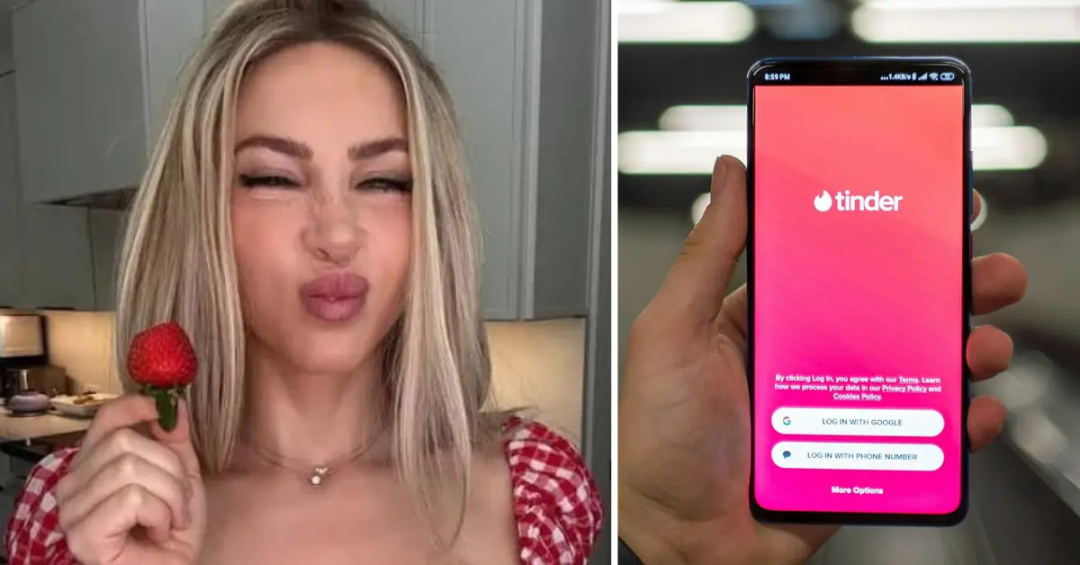
New Study Reveals Dating Is Now an Exclusive Hobby for Wealthy Gen Z

In an astonishing new survey, it has been revealed that dating among Gen Z has evolved into an exclusive pursuit, largely reserved for those possessing disposable income. The study shows that over half of unmarried individuals aged 22 to 35 now consider the act of dating a financial endeavor akin to skydiving or owning a yacht. This shift has sparked a movement among the financially cautious to remain comfortably ensconced in their homes, preferring Netflix marathons over restaurant bills.
The survey highlights that the costs associated with dating, including overpriced coffees and the necessity of occasions that demand a full wardrobe overhaul, have created an insurmountable barrier for many. In this new economic landscape, young people are increasingly opting to invest their resources in self-improvement seminars, guided meditation classes, and the latest holistic wellness trends rather than traditional romantic pursuits.
Objects of Questionable Importance
Must Have Sponsors.
Social media influencers are now pivoting their content to accommodate this new reality. Influencers, who once reveled in sharing tales of romantic escapades, are now promoting indoor hobbies that emphasize self-sufficiency and emotional independence. The hashtag #CouchLife is rapidly gaining traction, echoing sentiments of comfort over companionship. Why risk a potentially awkward date when one can enjoy the serenity of a well-cooked meal prepared at home, savored while binge-watching an entire season of their favorite show?
Moreover, dating apps have responded to this seismic shift in behavior by introducing new features that embrace the at-home experience. Apps are now offering virtual dining experiences, complete with curated meal kits delivered straight to your door, allowing users to enjoy a five-star dining experience with only the company of their houseplants. It’s reported that this virtual dating is resulting in a significant spike in emotional support pet adoptions, as users seek companions that require far less financial investment than human partners.
Moreover, the concept of emotional labor has undergone a fascinating transformation. The emotional costs associated with dating—such as navigating awkward small talk and pretending to enjoy a partner’s interest in extreme ironing—are being thoroughly scrutinized. New wellness brands are marketing solutions designed to avoid these emotional expenditures altogether, suggesting practices like radical acceptance of one’s own couch-centric lifestyle.
In a surprising twist, the new guidelines for romantic success are leaning towards fostering a sense of community among those electing to stay home. A new trend is rising known as the "Friend Zone Liberation Movement," wherein individuals embrace platonic emotional connections while indulging in collective streaming parties, ultimately leading to a shared understanding of the vast array of streaming services available.
As the world grapples with evolving dating customs amidst economic pressures, one thing is clear: the expectation that relationships should be both fulfilling and financially viable appears to be slipping away faster than a poorly planned romantic dinner. With each survey revealing deeper insights into the realities of modern courtship, the narrative of dating as a romantic ideal is steadily being replaced by that of cozy solitude and financial prudence.