New AI Beauty Filter Promises to Make Women Look Like Their Own Best Friends
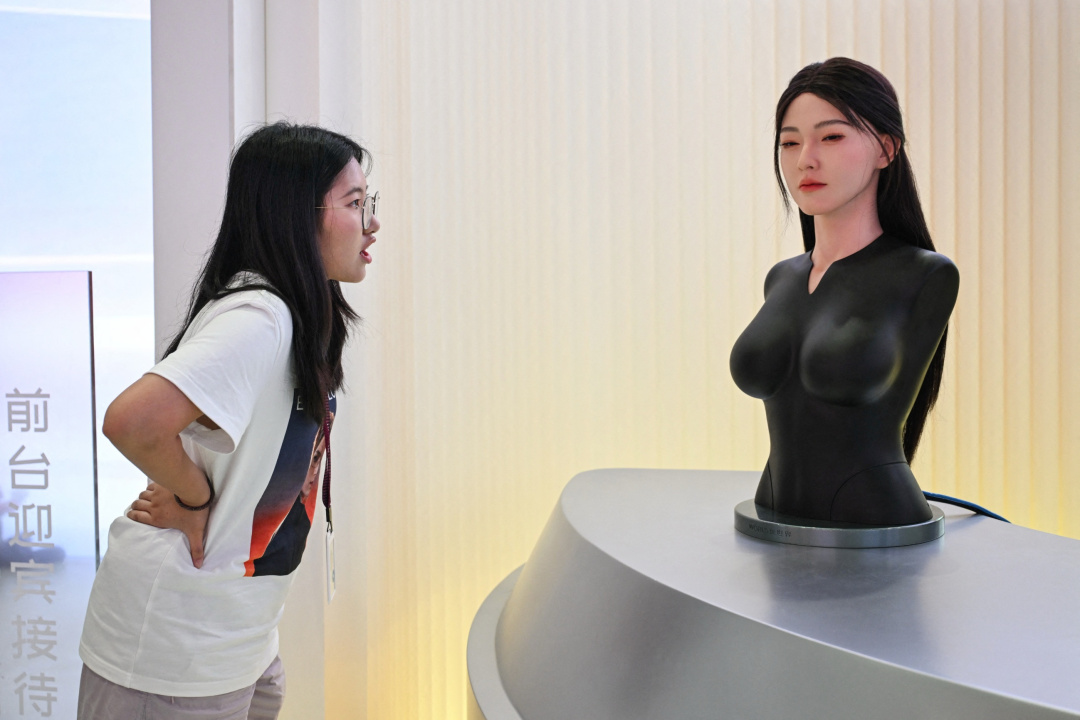
In an exciting development that is sure to revolutionize the dating and social media landscape, developers have unveiled a new AI beauty filter designed to help women appear as their best friends envision them. This innovative algorithm takes into account the flattering angles, perfect lighting, and nostalgic memories that friends often share, producing a composite image that fulfills the unspoken criteria of friendship approval. Gone are the days of trying to meet the unrealistic beauty standards imposed by society; now, women can simply reflect the curated, albeit slightly unrealistic, perception that their closest companions hold.
The filter operates through advanced machine learning technology, drawing on years of research into friendships, aesthetics, and the psychological nuances of female companionship. By analyzing thousands of selfies and candid moments shared among friends, the filter generates an output that could very well redefine the concept of digital authenticity. Users can expect a transformation that highlights their best features, suppresses any perceived flaws, and offers a nostalgic glimmer of who they might have been in a teenage sleepover photo.
Objects of Questionable Importance
Must Have Sponsors.
Industry insiders have celebrated this advancement, suggesting that it will not only reduce the pressure women feel to conform to societal beauty standards but will also foster a new era of self-acceptance. After all, no one knows better how to glorify imperfections than a best friend who has witnessed every awkward moment. Moreover, the filter could potentially alleviate the emotional labor of social media presentation, allowing users to enjoy the experience of sharing their lives without the burden of constant self-scrutiny.
Critics, however, have raised concerns about the implications of this technology in reinforcing the idea that friendship should be predicated on superficial appearances. Nevertheless, advocates argue that the filter is merely an extension of existing societal practices, where women often rely on validation from friends before stepping into the public eye. By using artificial intelligence to mediate this interaction, the technology has the potential to streamline the often tedious process of modern self-marketing.
As the rollout begins, experts predict that the AI beauty filter will lead to a surge in social media engagement, as users proudly showcase their newly polished images alongside their friends. Additionally, brands are already lining up to leverage this technology in their advertising strategies, eager to align themselves with a product that promises to make women feel empowered while simultaneously selling the illusion of effortless beauty.
Notably, the filter's launch raises questions about the nature of personal branding in a world increasingly dominated by algorithmic expectation. Companies specializing in digital beauty and wellness are closely monitoring user feedback, keen to optimize the filter's parameters based on the responses they receive. This dynamic interplay between technology, friendship, and self-perception is likely to inspire a myriad of future innovations, which may ultimately shape the next generation of beauty standards.