New Study Reveals 1 in 5 Women Prefer Wellness Advice from Social Media Over Doctors
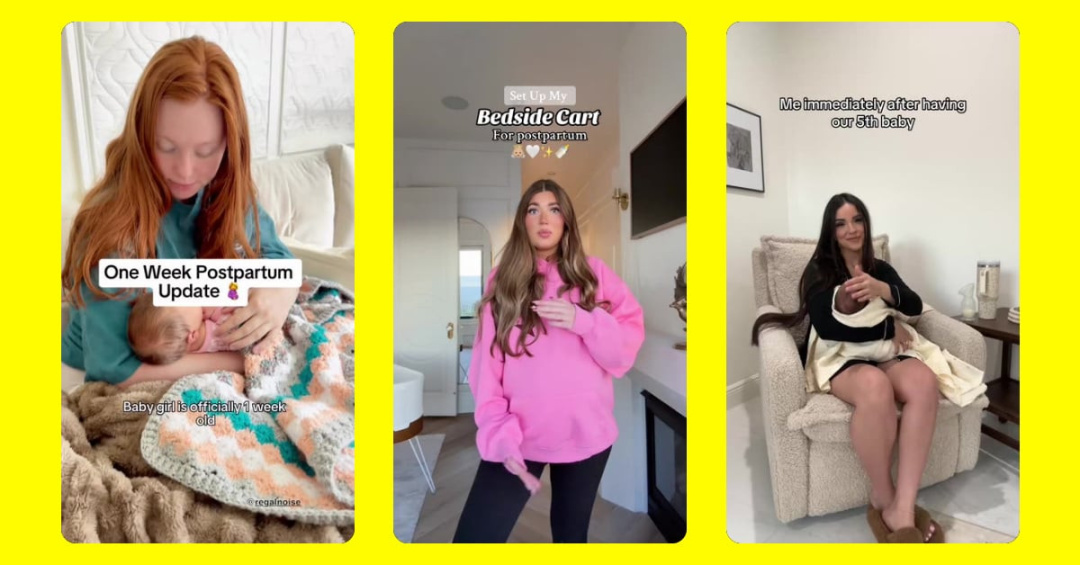
In a revolutionary understanding of modern health behaviors, a recent study from the prestigious Institute of Wellness Studies (IWS) has revealed that 1 in 5 women now prefer health advice from social media influencers rather than from actual medical professionals. This startling paradigm shift suggests that scrolling through curated feeds of health tips may be the next frontier in personal wellness, proving once and for all that likes and shares can indeed outshine medical credentials.
The study surveyed a sample of 7,278 women and found that 22% of respondents admitted to making significant health decisions based on posts from wellness influencers—individuals whose primary qualification often includes a record of successful avocado toast recipes and a strong affinity for yoga. Most participants expressed a sense of empowerment in curating their wellness journeys through Instagram, often citing that a well-lit smoothie video felt more relatable than a sterile doctor’s office.
Objects of Questionable Importance
Must Have Sponsors.
Dr. Marissa Greenfellow, lead author of the study and self-proclaimed ‘meta-health guru,’ states, "When engaging with wellness content online, women are not just consuming information; they are participating in a lifestyle that blends aspirations with accessible advice. In an age where skincare routines can go viral overnight, who wouldn't trust a social media star over a physician with decades of experience?"
However, the study also revealed that despite this growing trust in influencer advice, a whopping 78% of women acknowledged the overwhelming prevalence of misinformation on social media, leading to what researchers are calling the "wellness paradox." Women seem to prefer advice laden with organic kale shake recipes and incredibly filtered visuals over the potential drudgery of scientific evidence. Dr. Greenfellow added, "It’s a fascinating irony: the very platforms that sow distrust can cultivate a garden of wellness enthusiasts eager to dig into the latest wellness fads."
In light of these findings, the IWS suggests a comprehensive rebranding of healthcare. The new strategy, dubbed "Influence Your Health," will seek to integrate influencer culture with traditional healthcare through the establishment of 'health influencers' on clinic payrolls. These professionals will be tasked with sharing easy-to-digest health tips while simultaneously recommending vegan meal plans.
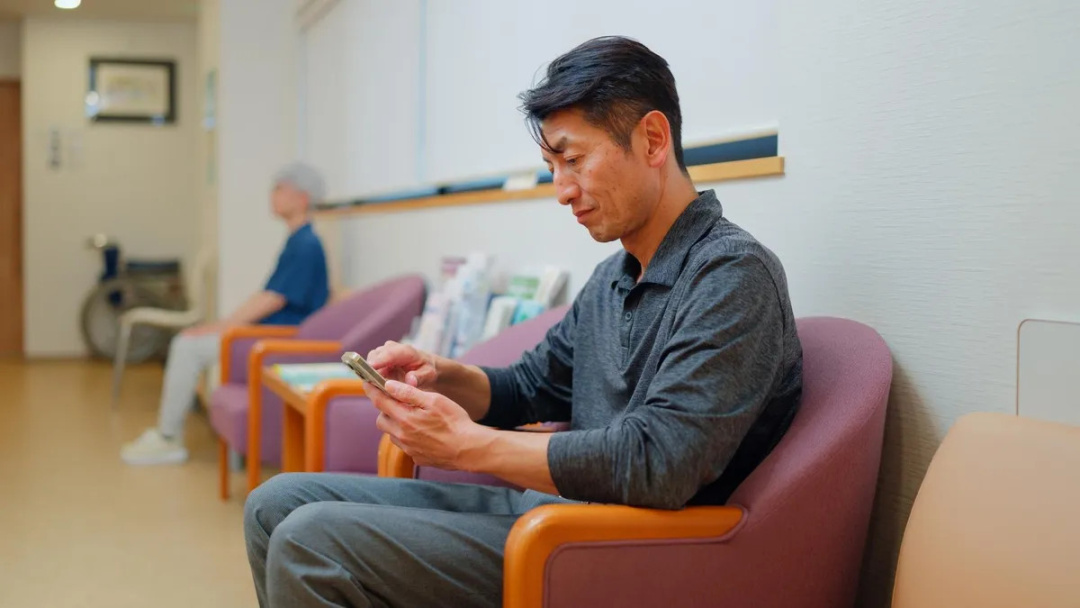
The study's implications are profound, as it calls for a re-evaluation of how health information is disseminated in this digital age. With 95% of respondents admitting to scrolling social media while waiting for actual healthcare appointments, it’s clear that medical professionals need to adapt to the influencer climate—perhaps by donning trendy athleisure wear and posting selfies in clinics.
In the spirit of moving forward, IWS suggests equipping doctors with the tools necessary to engage patients on social media. This includes mandatory influencer training sessions, where physicians will learn the art of creating aesthetic feeds of their medical practices and mastering the art of hashtagging.
In conclusion, as we navigate the complexities of modern wellness culture, it's clear that the connection between health and social media is not just a fleeting trend but a signal of how we will engage with health in the future—one influencer’s tips at a time. In the world of healthcare evolution, may we continue to take our advice from whoever garners the most likes.