New Influencer Guidelines Require Live Streaming During Life-Threatening Events
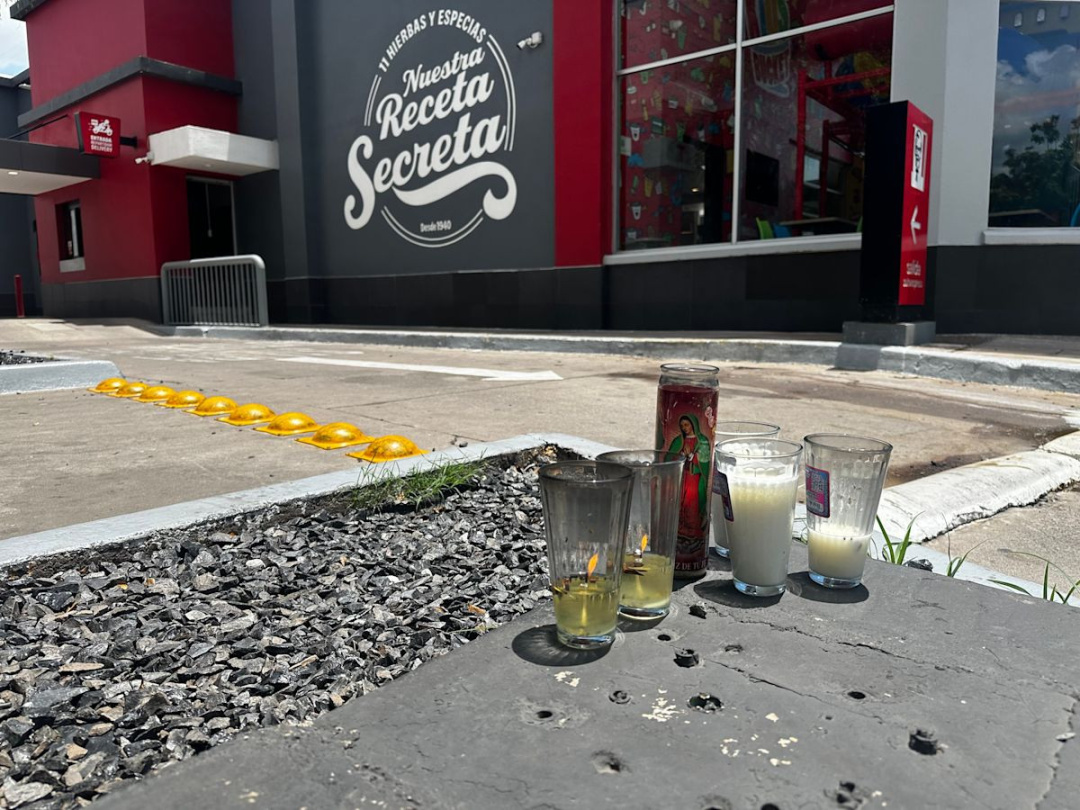
In a groundbreaking announcement, leading social media platforms have instituted new guidelines compelling influencers to livestream during any life-threatening situations. This revolutionary policy aims to elevate user engagement metrics and ensure that followers are never deprived of the most dramatic moments of their influencers’ lives. Influencers are now officially encouraged to broadcast from the frontline of crisis, whether it be during natural disasters, personal meltdowns, or, as recent events have indicated, during active threats to their safety.
The guidelines are said to enhance 'real-time relatability' and reinforce the influencer's commitment to transparency. Social media executives believe that streaming while in peril not only contributes to the influencer's authenticity but also creates a sense of urgency that is sure to spike engagement levels. A spokesperson for one of the dominant platforms stated, "Our goal is to transform influencers into real-life heroes, live-streaming their struggles and triumphs, all in the name of brand authenticity. It’s like reality TV, but with the added thrill of danger."
Objects of Questionable Importance
Must Have Sponsors.
Market analysts predict a surge in follower numbers for influencers who bravely embrace this new directive. As the guidelines specify, influencers must utilize every opportunity to convert life-threatening events into compelling content. For instance, those caught in a downpour may be seen embracing the elements while delivering skincare routine tips for ‘post-storm glow,’ thus cleverly blending wellness culture into their perilous escapades.
The social media community has embraced this initiative with mixed responses. Some influencers have already begun preparations, equipping themselves with waterproof cameras and portable power banks, ensuring they can maintain streaming even in the most challenging circumstances. One influencer, known for her lifestyle blog, stated, "If I can get my followers to watch me dodge actual bullets while talking about my latest makeup haul, I can solidify my brand like never before."
Critics, however, have raised concerns over the ethical implications of such a policy. They argue that compelling influencers to share potentially trauma-inducing experiences may trivialize serious issues and prioritize views over safety. In response, social media platforms assure users that influencers will receive extensive training in crisis management and first aid, transforming them into self-made survival experts, capable of turning even the direst situations into an opportunity for branded content.
In line with this new wave of influencer culture, corporations are already developing products specifically designed for high-risk situations. "Survive & Stream: The Ultimate Emergency Kit for Influencers" is set to be released, featuring items such as portable battery packs, mini first-aid kits, and a fluorescent lipstick that doubles as a distress signal. This product will ensure that influencers look fabulous while navigating life-threatening scenarios.
While the true effects of these guidelines are yet to be seen, one thing is clear: the bar for influencer authenticity has been set impossibly high. As audiences crave more raw and real content, influencers will now juggle the delicate balance of maintaining their safety while delivering fully immersive experiences to their followers. The landscape of social media is indeed changing, transforming influencers into the modern-day gladiators of content creation, armed with nothing but a smartphone and an insatiable drive for validation.