New Corporate Policy Mandates Summer Apparel Checklist for Female Employees
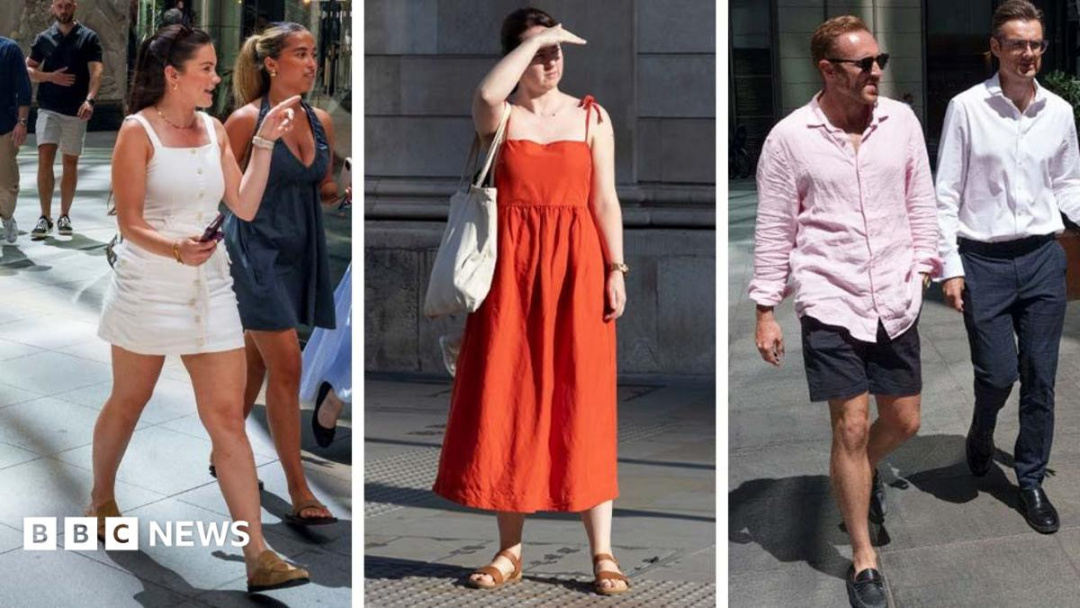
In an alarming yet progressive move for corporate culture, a recent study has revealed that 99% of companies now feel it is necessary to impose a comprehensive summer apparel checklist specifically for female employees. This policy stems from a year-long research initiative demonstrating that temperatures above 70 degrees Fahrenheit create an urgent need for an updated dress code that is both stylish and socially acceptable. Corporate executives have unanimously agreed that women should be held to a distinct and incredibly detailed standard when it comes to summer office wear, leading to the creation of the "Corporate Warm Weather Attire Standardization Document" or CWWASD.
Under the new guidelines, women are required to wear breathable fabrics that must also be rated for maximum productivity. These fabrics include blends of cotton and polyester that are strictly forbidden to exceed a 30% transparency threshold, ensuring that while women remain cool under pressure, they also fit into the predetermined modesty framework. Furthermore, all dresses must be no more than two inches above the knee and feature sleeves that are no wider than three inches to adhere to the "professional silhouette" protocol. Men, on the other hand, will remain exempt from any similar scrutiny, as only one in five adults view tank tops as appropriate for their attire, leaving them free to wear shorts and flip-flops without concern.
Objects of Questionable Importance
Must Have Sponsors.
In a baffling twist, the guidelines also mandate that women must carry an official work handbag at all times, specified to be from an environmentally sustainable brand—because of course, the world will end if a woman is seen carrying a non-eco-friendly tote during casual Fridays. The purse must also contain an emergency beauty kit that includes gluten-free lip balm, organic hand cream, and a small mirror—because self-reflection is crucial when deciding how to stay cool in the office.
Reactions from employees have varied, with some praising the new guidelines as a step forward in acknowledging workplace heat, while others express concern that these mandates play into long-standing biases against women’s body autonomy. A spokesperson for the initiative stated that the goal is not to diminish individuality but rather to ensure that women “feel both empowered and constrained in their choices,” suggesting that a well-dressed woman is merely a persuasive sign of workplace efficiency.
As summer approaches, many organizations are preparing for the influx of feedback regarding these dress code changes. A belated memo will also require all employees to submit a photographic proof of adherence to the new guidelines every Monday morning, further ensuring that every woman is ready to showcase her commitment to polite society. As the summer dress code debate heats up, one thing remains certain: the corporate world will always find innovative ways to keep women beautifully contained in boxes of fabric and expectation.