Influencer Demands Refund After Paying With Exposure, Citing Inflation of Self-Esteem
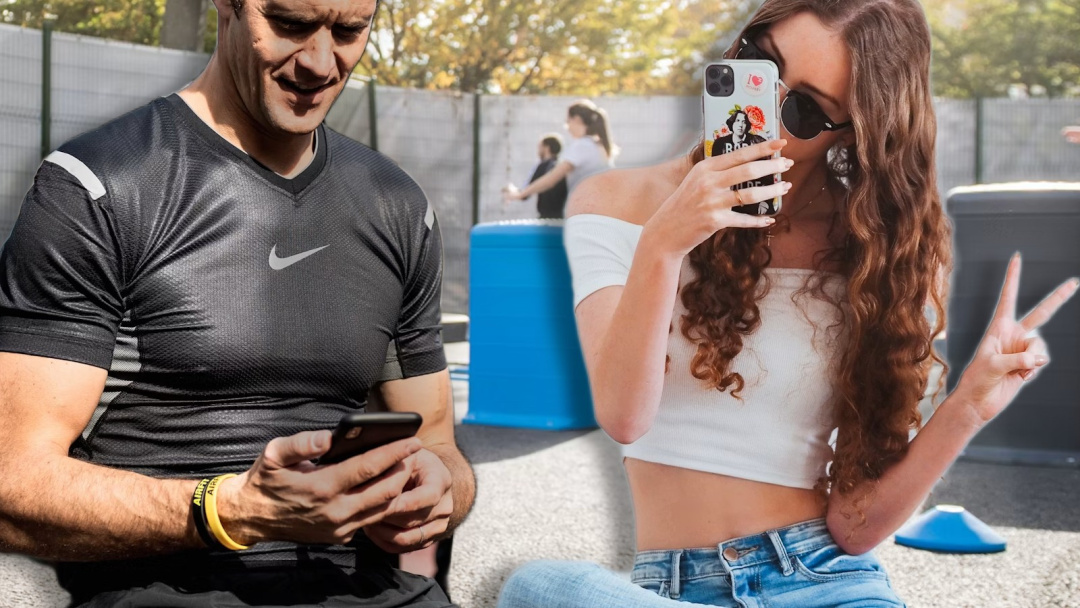
In a groundbreaking development for the creator economy, a prominent influencer has taken to social media to demand a public apology from a fitness trainer after experiencing what she termed a significant depreciation in her self-esteem, which she insists was exacerbated by her previous decision to compensate him with 'exposure'. This shocking revelation has sent ripples through the already tumultuous waters of influencer-client relationships, as many industry insiders now question the viability of exposure as a currency in an inflationary social media market.
According to reports, the influencer initially approached the fitness trainer with high hopes of achieving her ideal image of perfection, which she deemed necessary to maintain her follower count. However, after a disappointing experience, she expressed her dissatisfaction on her Instagram story, likening her journey to that of a neglected plant in a drought—a metaphorical testament to the existential crisis caused by unmet expectations. 'I didn’t just want to lose weight; I wanted to lose it effortlessly while simultaneously becoming a TikTok sensation. Is that too much to ask?' she implored, publicly decrying the trainer’s failure to meet her unrealistic standards.
Objects of Questionable Importance
Must Have Sponsors.
In a move that is likely to set a new precedent, the influencer also claimed the trainer's methods were outdated, citing her preferences for trending TikTok workouts that allegedly promise results in mere minutes. Her demand for a refund—specifically in the form of a public apology—raises important questions about the sustainability of influencer culture. 'Why should I have to suffer in silence when I have 1.2 million followers who depend on my curated reality?' she asserted, emphasizing that exposure as payment should come with strings attached, namely, instant gratification.
The influencer’s call for a public apology has garnered mixed reactions, with some in the social media community expressing support for her stance on emotional equity. Naysayers, however, argue that demanding a refund for an unfulfilled service paid in exposure is akin to asking for a return on emotional labor—a concept they argue is as nebulous as it is non-refundable. The fitness trainer, reportedly baffled by the sudden escalation, remarked, 'I thought we were just trading services; I had no idea I was entering a self-esteem hedge fund.'
Experts in influencer dynamics are now debating the implications of this incident, with some predicting a potential shift in how services are rendered between influencers and their clients. Many suggest the incorporation of a new standard in contracts, wherein exposure payments will include clauses guaranteeing emotional returns on investment. 'This creates a new layer of complexity in the influencer market. It's not just about likes and shares anymore; it's about safeguarding one's self-worth,' explained a leading social media strategist.
As the fitness community reels from this event, fitness trainers across platforms are urged to reassess their approach to influencer collaborations. It's becoming increasingly clear that while exposure may be the new black, public apologies might just be the next big thing in influencer negotiations. In this climate of heightened self-awareness, influencers are realizing that their emotional contracts may soon require as much attention as their carefully curated Instagram feeds. In the end, one wonders if the price of exposure will ever truly be worth the cost of self-esteem in the ever-evolving landscape of social media interactions.