New Study Finds Preteens Now Require 12-Step Skincare Routine to Exist
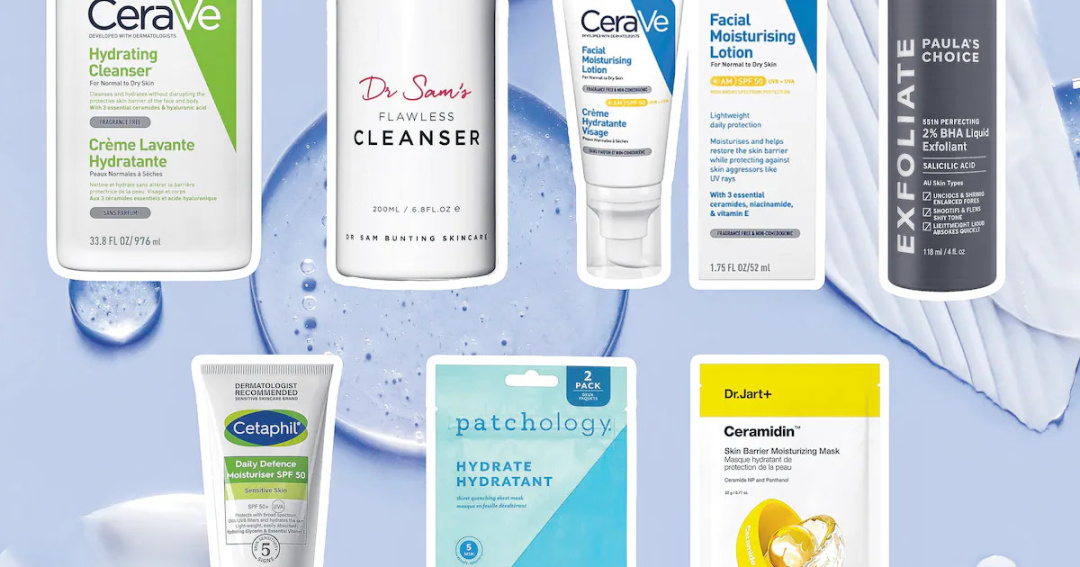
In a groundbreaking new study published by the Institute of Overwhelming Expectations, researchers have confirmed that preteens today face a staggering requirement of a 12-step skincare routine just to survive the daily pressures of adolescence. This ambitious protocol, which includes everything from cleansing oils to moisture-rich night creams, is designed not only to combat the effects of puberty but also to ensure that these young individuals are adequately prepared to face a world dominated by social media filters and unrealistic beauty standards.
The study indicates that failure to adhere to this exhaustive regimen may lead to catastrophic consequences, including but not limited to, social ostracism, a significant drop in self-esteem, and a total inability to participate in Instagram aesthetics. Scientists have found that those who do not follow this 12-step program are at risk of being categorized as “less than” in the eyes of their peers, creating a new class of societal outcasts—those with “unfiltered” skin.
Objects of Questionable Importance
Must Have Sponsors.
In response to this alarming research, skincare companies are rushing to develop products specifically tailored for the preteen demographic, including items like 'Youthful Glow Elixir' and 'Confidence in a Bottle', each marketed with promises to create a flawless visage by age 12. Industry experts argue that these products will become essential tools for navigating the complex social landscape of middle school, where a single acne breakout can lead to an irreversible drop in popularity.
In a shocking twist, the study also notes that preteens are now encouraged to develop a social media presence focused solely on skincare tutorials, as this not only builds a personal brand but also reinforces peer validation. Influencer culture has infiltrated the very core of preteen life, with young girls and boys alike feeling the pressure to document their skincare journeys online, lest they fall behind in the race for social acceptance.
Parents, understandably concerned about the implications of such extensive routines, have begun investing heavily in skincare workshops, ensuring their children receive the best possible education in the art of facial care. The workshops are cleverly marketed as ‘Confidence Building’ sessions, teaching young attendees how to apply products while simultaneously maintaining an air of playful effortlessness—an art form that is becoming increasingly rare.
Moreover, critics of this trend are being swiftly silenced. Any voices suggesting that perhaps less is more—or that children might simply want to enjoy their youth without the burden of looking perfect—are immediately dismissed as out of touch. Instead, it is clear that society has accepted the notion that preteens must be armed with a comprehensive skincare arsenal if they wish to thrive in today’s unforgiving beauty landscape.
As we look towards the future, it seems that the only path forward for the youth of today is a never-ending cycle of self-care marketing. With the rise of algorithmically curated beauty standards, one can only assume that in the next decade, preteens will be expected to contain not just a skincare regimen but also a full beauty portfolio, all while maintaining an aura of effortless charm. The study leaves us with only one question: how many steps is too many before our children are simply trapped in a never-ending quest for perfection?