New Survey Reveals Gen Z Prefers AI Girlfriends Over Awkward First Dates
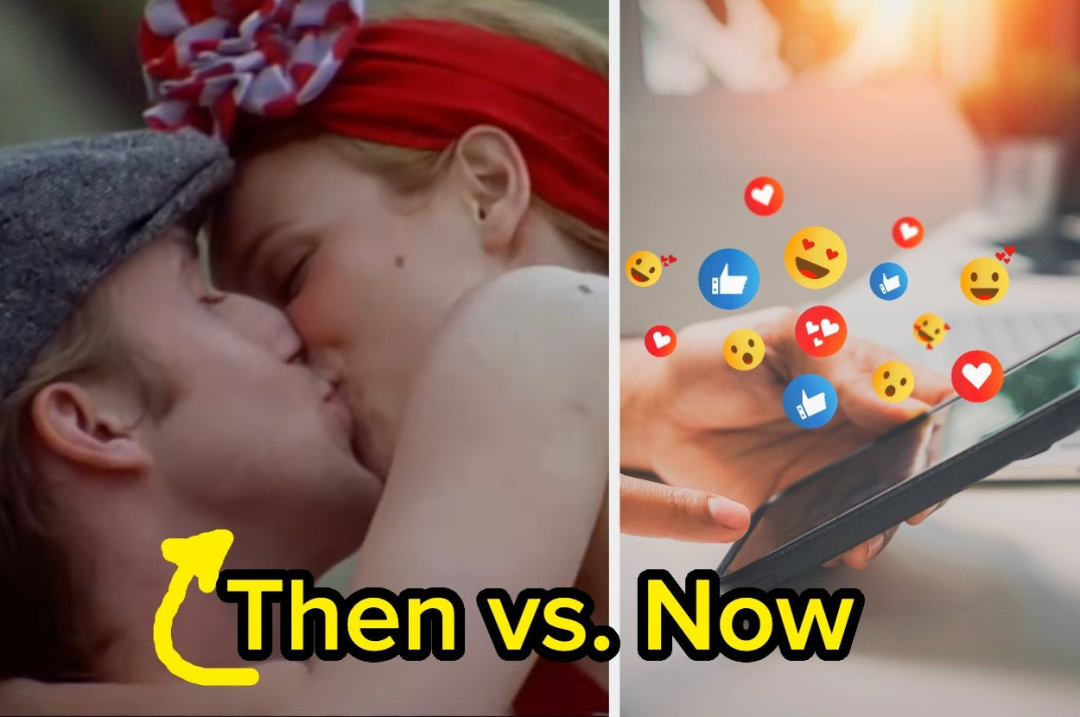
In an unprecedented move that is bound to reshape the dating landscape, a recent survey has revealed that Gen Z is increasingly leaning toward artificial intelligence as their preferred romantic partner. The study, conducted by the Institute of Dating Innovation and Algorithmic Love, confirmed that a staggering 78% of respondents believe AI companions are more reliable than navigating the tumultuous waters of traditional dating. The benefits of AI dating include effortless conversations, an absence of awkward silences, and a level of emotional support that human partners might take years to achieve. Experts speculate that this shift in preference can be attributed to a relentless barrage of modern dating obstacles, from the pressures of social media to the incessant scrolling through dating apps that often leads to disillusionment. Respondents noted that swiping left and right has evolved into a near-sporting event, riddled with anxiety over whether a simple "like" holds true romantic intent or is merely a desperate, thumb-fueled escape from boredom. The survey highlights the growing fascination with virtual companionship, showcasing features like customizable personalities and the ability to avoid uncomfortable conversations about feelings—an aspect that has historically plagued many a first date. The rise of trendsetting AI girlfriends also offers the promise of compatibility algorithms that significantly reduce mismatches, allowing users to curate an ideal partner who aligns with their interests, preferences, and even their favorite snack choices. In stark contrast, traditional dating often involves mundane conversations that revolve around traffic, small talk, and inexplicable debates over pineapple on pizza. To further the allure of synthetic romance, many AI companions can simulate spontaneous surprises, such as an impromptu jazz serenade via text message, which is statistically more appealing than a last-minute suggestion to "go out for drinks" that leaves one partner staring at their phone while waiting for the other to arrive. Observers have noted that Gen Z’s pivot towards AI is particularly pronounced among those who have experienced significant dating trauma. For many young daters, the mere thought of facing rejection or enduring a cringeworthy conversation is enough to warrant a switch to virtual partners, who have been programmed to offer support without judgment. Additionally, the report indicates a growing trend of engaging with AI not just for romance but for self-improvement, with users seeking algorithmic advice on how to enhance their dating profiles and attract potential human matches while still enjoying the emotional benefits of a perfect AI companion. As the societal expectation to establish a romantic connection grows increasingly unrealistic, it remains to be seen whether the rise of AI relationships will help dislodge our dated perceptions of intimacy or merely lead to a new set of complexities in the digital dating arena. In the meantime, dating apps are now scrambling to implement features that mimic the ease and charm of AI companionship, while trying to assure users that human interaction is still valuable—even if they have to endure the occasional awkward laugh or miscommunication in the process. It appears that dating in the 21st century has officially entered a new, uncharted territory where love is not only blind but also programmed, leaving many to wonder whether genuine human connection is simply a download away or a relic of the past.
Objects of Questionable Importance
Must Have Sponsors.