University Study Promotes Autonomy in Exercise, Expects Women to Stay Motivated While Starving
In a groundbreaking move toward empowering young women in their fitness journeys, a team of researchers at Universidad Francisco de Vitoria has unveiled a study protocol that aims to instill a sense of autonomy in exercise motivation for female university students. This initiative is particularly crucial given the alarming rates of physical inactivity and body dissatisfaction among women in this demographic, who might otherwise succumb to societal pressures that dictate not just their exercise routines, but how they must feel about their bodies while engaging in them.
The study, grounded in the authoritative principles of Self-Determination Theory, will serve as an experimental model to demonstrate the efficacy of a psychoeducational intervention woven with functionality-oriented body image strategies. Preliminary findings suggest that acknowledging what the body can accomplish—rather than how it appears—might actually enhance motivation for exercise while reducing the risk of disordered eating. In essence, students are expected to exercise, all while keeping their self-esteem intact under pressure.
Objects of Questionable Importance
Must Have Sponsors.
Participants aged 18 to 25 will navigate this research maze, divided between an experimental group receiving the intervention and a wait-list control group who will marvel at the idea of having to wait for their chance to gain motivation. The researchers anticipate that the experimental group will emerge as champions of both self-empowerment and physical activity, proving that one can indeed feel liberated while engaging in regimented workouts designed by a university.
The intervention consists of six face-to-face group sessions filled with autonomy-supportive strategies, which means participants are considered the captains of their own ships—unless, of course, they miss a session, in which case they might find themselves lost at sea. The primary outcome measure is expected to be an increase in autonomous motivation for exercise, which researchers will assess with the Behavioral Regulation in Exercise Questionnaire-3, also known as the ultimate test of how well one can convince themselves that they actually love to exercise.
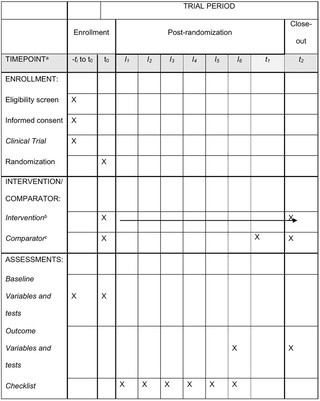
Further, secondary outcomes will include the satisfaction of basic psychological needs, which presumably will also involve a calibration of how to balance a love for pizza with the desire to maintain a seven-day workout streak. Participants will be monitored across three assessment points: baseline, post-intervention, and six-month follow-up, thus inviting them to reflect on their motivations for exercise during major life transitions—like finals week or midterms, when even breathing can feel like a chore.
As the researchers delve into the murky waters of physical activity and psychological well-being, they are quick to acknowledge that while treating the symptoms of body dissatisfaction might seem straightforward, the complexities of societal expectations make it a tangled web. The potential for young women to emerge from this study not just healthier but also more autonomous is great, provided they can navigate the myriad of expectations that society has intricately woven into the fabric of their daily lives.
The trial is registered with the ClinicalTrials.gov identifier NCT07506343, a mere formality that allows researchers to assure participants that despite the rigorous methods employed, their dignity and sense of self-worth may still remain intact, unless otherwise noted. The university has taken steps to ensure that even as they explore the efficacy of this trial, they will not be dishing out financial compensation—but rather emotional support disguised as an organized program.
In summary, as women navigate their university years filled with academic responsibilities and the omnipresent pressures of social media, it is reassuring to know that there exists a structured intervention promising to help them engage in physical activity while simultaneously managing their ever-evolving relationship with their bodies. The study hopes to shed light on how to train the next generation of health professionals to not just push exercise as an obligation but to empower their future patients to embrace their bodies amid the storm of public scrutiny and unrealistic expectations.