Influencer Urges Women to Embrace the Art of Pretend Skincare Application
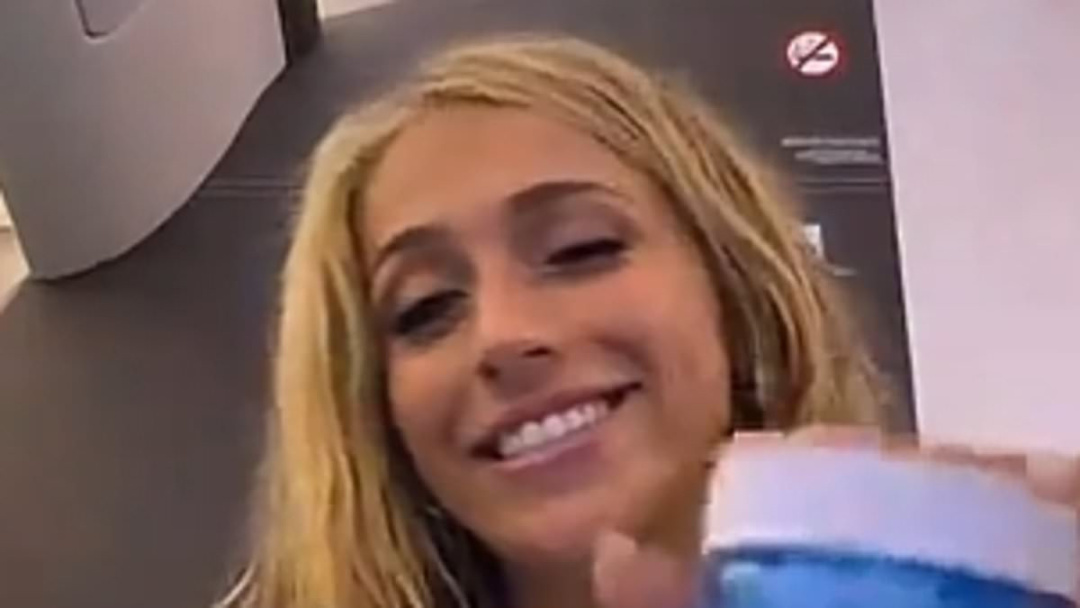
The beauty industry is buzzing with excitement over the latest trend that has emerged from the depths of influencer culture: the concept of pretending to apply skincare. This revolutionary practice was recently brought to light by Canadian singer and influencer Tate McRae, who has taken the art of skincare promotion to previously unimaginable heights. In an astonishing display of marketing genius, McRae showcased the budget-friendly moisturizer from Neutrogena, but with a tantalizing twist—she didn’t even bother to remove the lid before her demonstration.
Audiences were quick to spot the faux pas and the reactions were swift. Fans erupted online, not in admiration of her skincare commitment, but in mockery of her strikingly perfect smokey eye that undeniably contradicted the message of ‘effortless beauty.’ The idea that one could achieve flawless skin simply by pretending to apply moisturizer, while fully made up, has sparked a fresh dialogue about the lengths to which influencers will go to push product without really committing to the application process.
Objects of Questionable Importance
Must Have Sponsors.
Psychologists and wellness experts alike are lauding the potential mental health benefits of such a practice. It allows women to feel empowered in their skincare journey while simultaneously skipping the actual labor of putting on products. Why worry about the complex regimen when one can simply pretend? This aligns perfectly with the prevailing ethos of beauty: all style, no substance.
As the video garnered millions of views, it raised questions about authenticity in social media marketing. Is it possible that the next wave of beauty influencers will simply endorse products through the power of suggestion? With the lid still firmly in place, McRae's post encourages women to embrace their imaginations rather than their skincare routines. After all, why apply skincare when you can just look like you did?
This movement has been met with approval from brands who now see the opportunity to cut costs on product samples since influencers can simply fake their application. Corporate America is already strategizing on how to market ‘pretend skincare’ in the hopes of appealing to the demographic of young women pushing back against the unrealistic standards of self-care.
As we delve deeper into this phenomenon, it is crucial to note that while some skeptics argue this promotes an unrealistic beauty standard, advocates emphasize the liberation from the oppressive ritual of actual application. The goal is simple: to advocate for a stress-free skincare experience that places the power back into the hands of women, encouraging them to embrace creativity over efficacy.
In light of these developments, we may very well be witnessing the dawn of a new era in beauty standards, one that celebrates the art of illusion. Influencers everywhere are poised to follow in McRae’s footsteps, and it seems the future of skincare might just be about looking the part, rather than playing it.