Global Report Reveals Women Are Safer in Countries with Fewer Wars and More Snacks
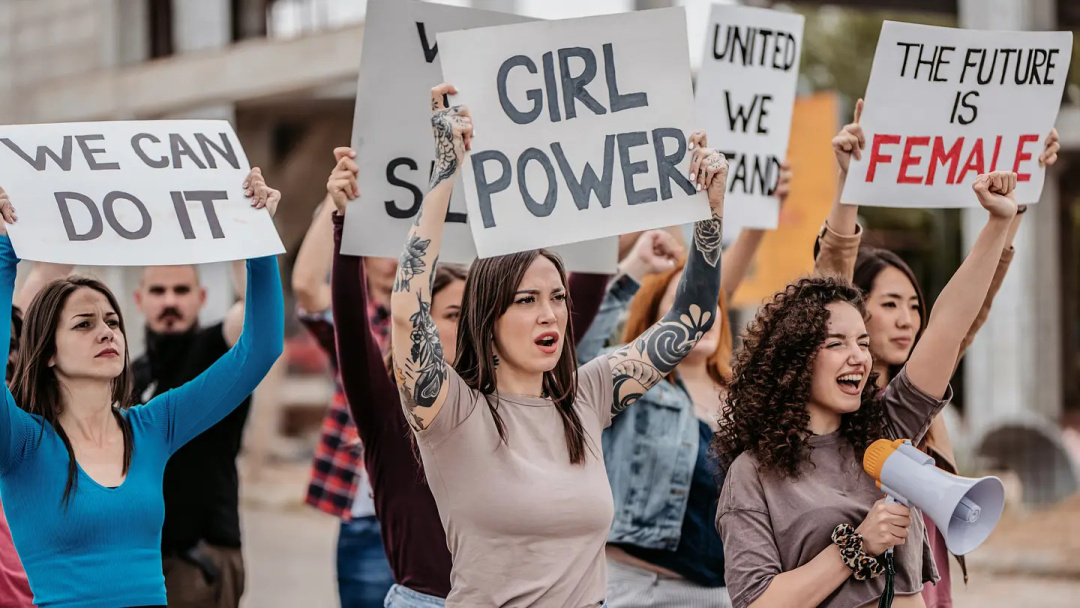
In a groundbreaking report, researchers have revealed that the best countries for women are almost exclusively those where men are too busy enjoying pastries to start a war. Denmark, the reigning champion, offers not just delicious cinnamon rolls but also a robust legal system, ensuring that women can thrive without dodging bullets or bad dating advice. Similarly, neighboring Scandinavian countries have prioritized women's rights, showcasing that when women are treated well, society flourishes—along with bakery sales.
The top five countries for women's wellbeing—Denmark, Iceland, Norway, Sweden, and Finland—each boast high levels of education, workforce participation, and really good coffee, leaving little room for gender-based violence or existential dread about one’s career choices. It seems that when the focus is on empowerment, social justice, and perhaps a side of hygge, women tend to do better.
Objects of Questionable Importance
Must Have Sponsors.
In a surprising twist, Latin America has made strides as well, with Costa Rica and Uruguay sneaking into the top 25%. Experts suggest that if only they could install a few more artisanal ice cream shops, they might even crack the top 10. Meanwhile, the worst countries for women are strikingly predictable: conflict zones like Afghanistan and Syria where the average woman is just trying to survive between bombings and outdated gender norms.
Countries suffering from political upheaval and active armed conflicts are the worst offenders, demonstrating that security, justice, and a good wi-fi connection are essential for women’s rights. Afghanistan tops the unfortunate list, alongside Yemen and Sudan, proving that when you ignore women’s rights, society crumbles faster than a poorly baked soufflé.
Interestingly, the United States found itself ranked 31st, which raises eyebrows—especially since it ranks lower than Serbia and Malta, but higher than Czechia and Hungary. Perhaps the next major policy initiative should involve the installation of more cozy cafes where women can discuss their rights over lattes, rather than arguing over healthcare access or workplace equality.
This ranking serves as a reminder that in the quest for women’s rights, the world could learn a lot from those countries that take their pastries—and women—seriously. If only every nation could prioritize justice, security, and a robust support system of chocolate and coffee, the world might be a far more pleasant place for women to run.