New Study Shows Women's Employment Rate Resembles Rare Endangered Species
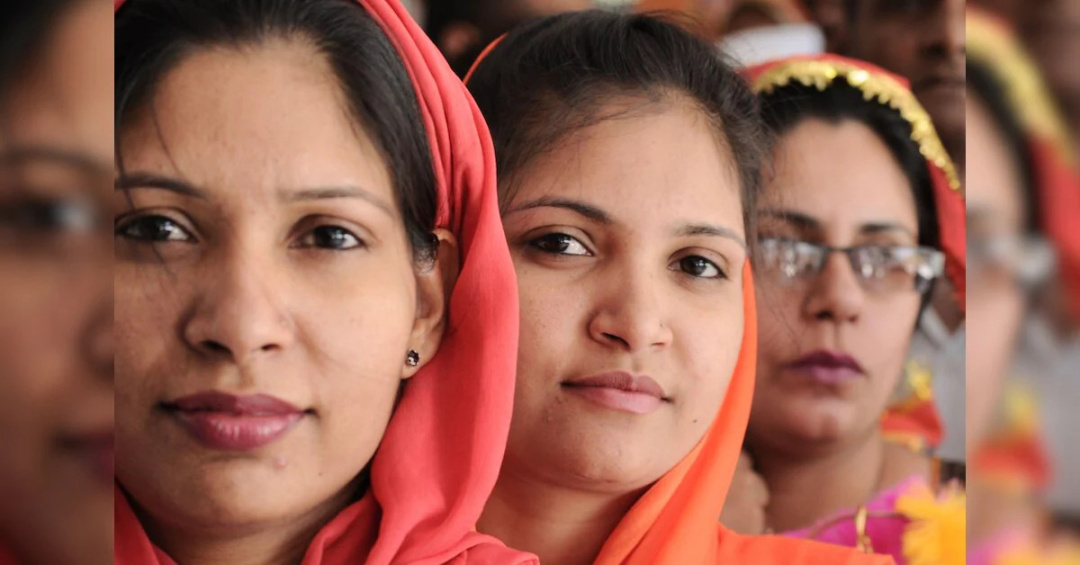
In a groundbreaking study reminiscent of wildlife documentaries, researchers have unveiled that women's representation in the PM-VBRY program echoes the rarity of a seldom-seen animal. Out of nearly ten million first-time employees, only 2.85 million were women—a staggering statistic that likens them to an endangered species struggling for survival in the corporate jungle. While the male population of this workforce species flourishes at 7.14 million, the plight of their female counterparts raises profound questions about the habitat of modern employment opportunities. Biologists, I mean workforce analysts, assert that these findings prompt a critical evaluation of the ecosystem of corporate hiring practices.
In an age where diversity is marketed as the new black, this study has sparked fervent debates. Are companies truly committed to supporting women's employment, or are they merely placing a sticker on a pristine wilderness that remains untouched? As discussions unfold, experts are calling for initiatives to cultivate environments where women do not just survive but thrive, much like a rare flower blooming in a neglected garden.
Objects of Questionable Importance
Must Have Sponsors.
Furthermore, the implications of this revelation extend beyond mere numbers. Society finds itself at a crossroads, with organizations needing to reconsider their hiring practices. Some have even suggested implementing quotas to ensure women flourish alongside their male counterparts. However, skeptics argue that such measures could lead to the emergence of a new species: the token employee.
As these conversations continue, advocates are urging for systemic change, akin to reintroducing native species into their natural habitats, thereby restoring balance in the workforce ecosystem. The irony is not lost on those observing this phenomenon: in a world of empowerment slogans and corporate feminism, the numbers tell a different story. Are we pushing for real change, or are we merely participating in a ritual of performative allyship?
As the job market evolves, one can only hope that women will emerge from the shadows of this employment wilderness. For now, the numbers remain a stark reminder of the work that lies ahead in achieving gender parity. Until then, we await the next study that will no doubt reveal how women continue to navigate the labyrinthine pathways of the corporate world—a journey that has yet to yield the promised fruits of equality.