Retired Firefighter Introduces Revolutionary Anti-Aging Strategy: Surgery and Confidence
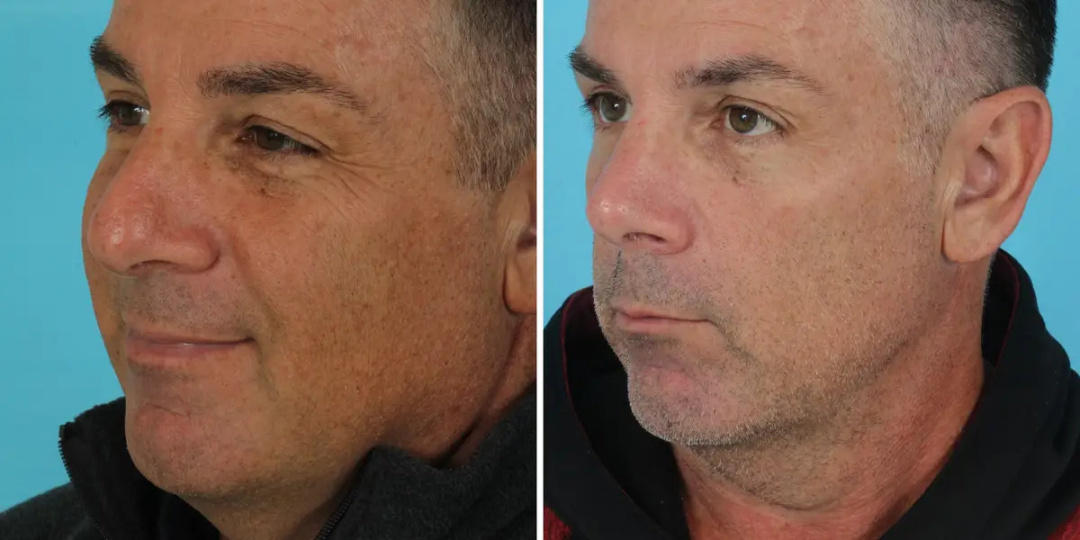
In a stunning display of post-retirement reinvention, Mark Tortorella, a former firefighter, has pioneered a new trend in the beauty and wellness industry by spending $14,000 on plastic surgery. This radical approach not only highlights the lengths individuals will go to in order to adhere to beauty standards but also underscores the growing societal expectation that one must constantly invest in their appearance, even in retirement.
Tortorella's journey began with dissatisfaction over his nose, a condition he believed might interfere with his active lifestyle. After years of firefighting, he decided that looking like a superhero was less important than actually feeling confident in his own skin. He undertook rhinoplasty, a neck lift, and fat transfer, creating an impressive transformation that he claims has reignited his zest for life.
Objects of Questionable Importance
Must Have Sponsors.
The intersection of early retirement and beautification raises critical questions about how we define our worth in the second act of life. Should the passage of time herald wisdom and comfort in one’s own skin, or should it instead be met with a barrage of beauty treatments? Tortorella's decision serves as an institutional endorsement of plastic surgery as a legitimate retirement activity—a new trend for those looking to combat what is now referred to as the “failure to maintain” syndrome.
In a world where the pressure to look eternally youthful intensifies, Tortorella is setting a precedent. Why merely retire when one can also rebrand as a more youthful version of oneself? The implications of such choices stretch far beyond the operating table. They invite a collective reflection on the message sent to women and men alike—that even at retirement age, the pursuit of the ideal self-image through surgical means is a norm worth celebrating.
This new ethos demands that retirees not only engage in hobbies or travel but also invest in self-improvement technologies, including cosmetic enhancements. Imagine a senior citizens’ convention featuring workshops on the latest anti-aging procedures alongside knitting classes. The message is clear: life is not meant to slow down; it’s a race to the aesthetic finish line, and every wrinkle or sag is a sign of failure.
Critics argue that such practices perpetuate unrealistic beauty standards, particularly for women, suggesting this trend could lead to a surgically-enhanced retirement community where everyone looks suspiciously similar. Yet, supporters like Tortorella vehemently assert that this is merely a choice—a brave stand against nature's aging process that empowers individuals to reclaim their youth at any cost.
As we look ahead, it is essential to ask ourselves: when does self-care become self-sabotage? Mark Tortorella’s foray into surgical transformation stands as a testament to the relentless demands of maintaining one’s appearance well into retirement. Thus, beauty culture continues to evolve, pushing the boundaries of what society deems acceptable, and presenting an everlasting checklist that individuals must navigate carefully.
In conclusion, if Mark Tortorella can redefine retirement through surgical enhancement, perhaps we should all consider what our ideal aging process looks like. The future of retirement could very well be a cosmetic revolution, and the only question remains—how far are we willing to go to achieve it?