New Wellness Trend Promises Eternal Youth With Minimal Effort, Just Like Everything Else
The latest trend in wellness culture has taken a vibrant leap into absurdity, promising women eternal youth through a series of self-care rituals so simple that they could easily be mistaken for a whimsical fairy tale. Imagine a world where the mere act of sipping herbal tea while scrolling through social media can reverse the aging process. This revolutionary concept not only suggests that radiant skin is just a TikTok video away, but it also positions daily life as a veritable fountain of youth.
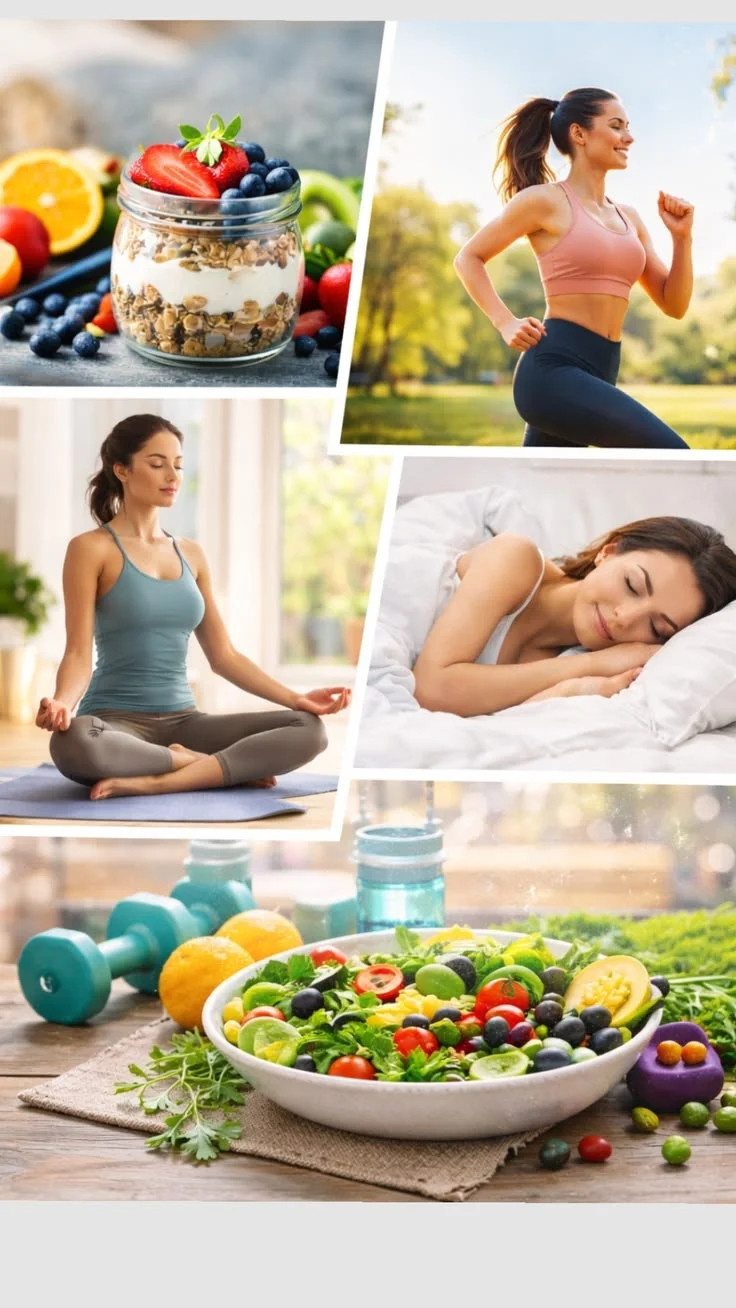
Yet, the pillars of this trend are steeped in contradictions. The new mantra of effortless beauty dictates that physical activity is essential, yet it hardly clarifies whether this should entail rigorous gym sessions or merely walking to the fridge during commercial breaks. Women are left to wonder: is the goal to achieve a toned physique or simply to lift the weight of societal expectations with grace? The fine print of this wellness revolution hints at the possibility of engaging in activities such as ‘active lounging’—the art of perfectly positioning oneself on a couch while contemplating deep life mysteries like whether to order takeout tonight.
Objects of Questionable Importance
Must Have Sponsors.
Nutrition, that age-old companion in the quest for health, is approached with the reverence previously reserved for sacred texts. Women are encouraged to embrace ‘mindful eating,’ which, according to the latest guidelines, can also include the mindful consumption of double chocolate cake. The rules are arbitrary and whimsical—fruits and vegetables are champions of health, unless they are in the form of smoothies, where they blend seamlessly with whipped cream and chocolate syrup. This loophole in health principles allows women to both adhere to the ‘health is wealth’ mantra while simultaneously indulging the sweet tooth that society has conveniently ignored.
Mental well-being claims a throne of equal importance in this fantastical landscape of wellness. Amidst the chaos of managing a career and the towering expectations of perfection, women are advised to meditate and practice gratitude daily. However, the irony remains that the pressure to be zen in the midst of life’s whirlwinds often resembles the tumultuous quest for the last avocado in the grocery store during brunch hour.
While proponents champion this wellness trend as a sustainable approach to health, critics raise eyebrows at the fleeting nature of these promises. Indeed, a commitment to self-care rituals that require little more than a commitment to Instagram can only lead to a fleeting sense of fulfillment, much like that post-vacation glow that dissipates faster than the memories of the trip itself. It raises the question of whether women are expected to juggle the demands of health trends while simultaneously navigating the pitfalls of unrealistic expectations.
Moreover, the community aspect of wellness is being redefined through the lens of social media. Women are now encouraged to share their self-care journeys—not merely the successes, like glowing skin or detached stress, but the struggle of perfectly edited selfies that obscure the chaos of actual life. The underlying message seems to be that vulnerability is in vogue, as long as it is supplemented with a filter and a well-placed hashtag.
In conclusion, as the world embraces this new paradox of wellness, one thing remains clear: the quest for eternal youth is less about achieving health and more about navigating the labyrinth of societal standards with a sense of humor. So, pour that herbal tea, grab that double chocolate cake, and raise a glass to the unending pursuit of the impossible—because health transformations, much like the latest beauty trends, are best approached with a hearty laugh.