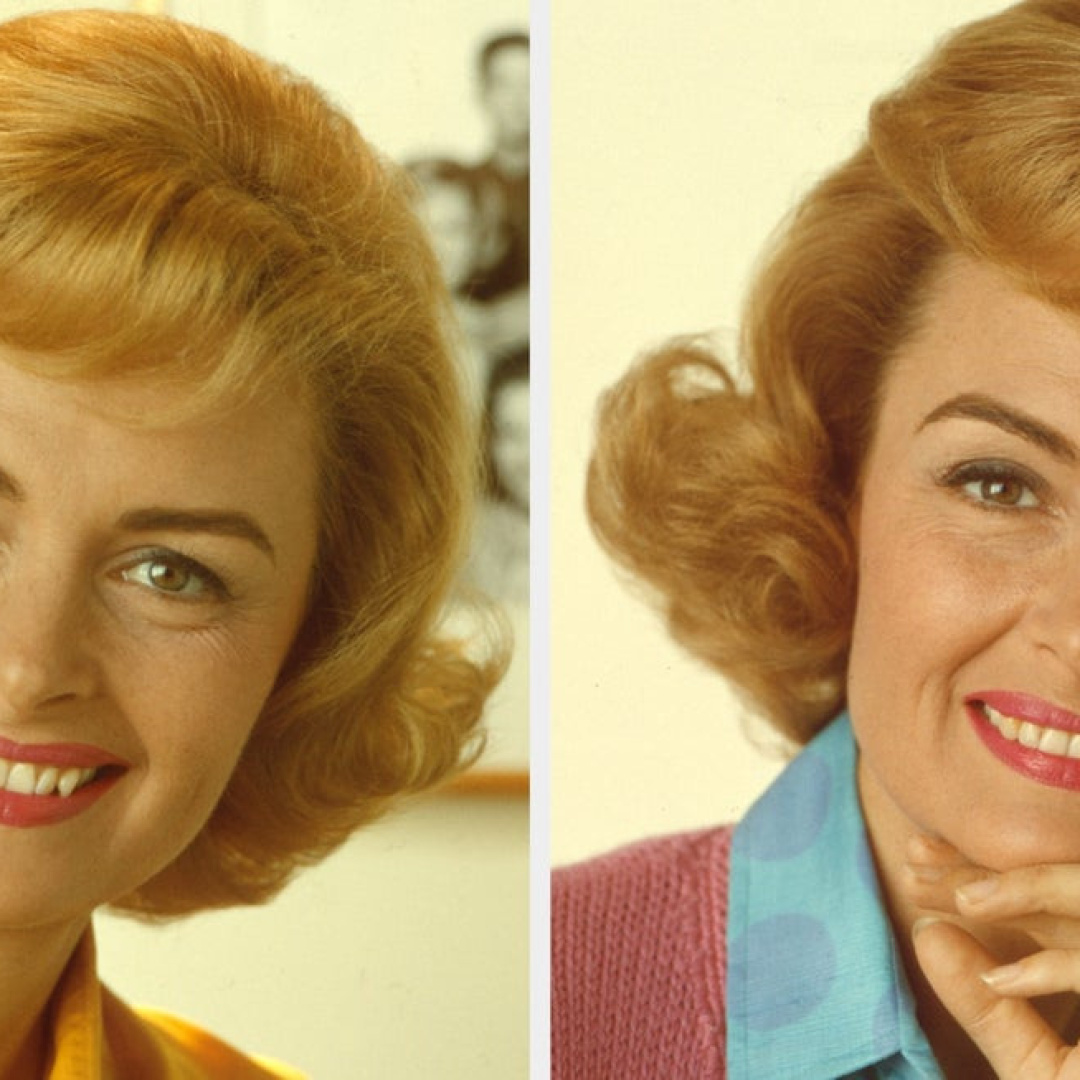
Brands Tap Into Teen Tradwife Market, Sparking Global Interest in Vintage Domesticity
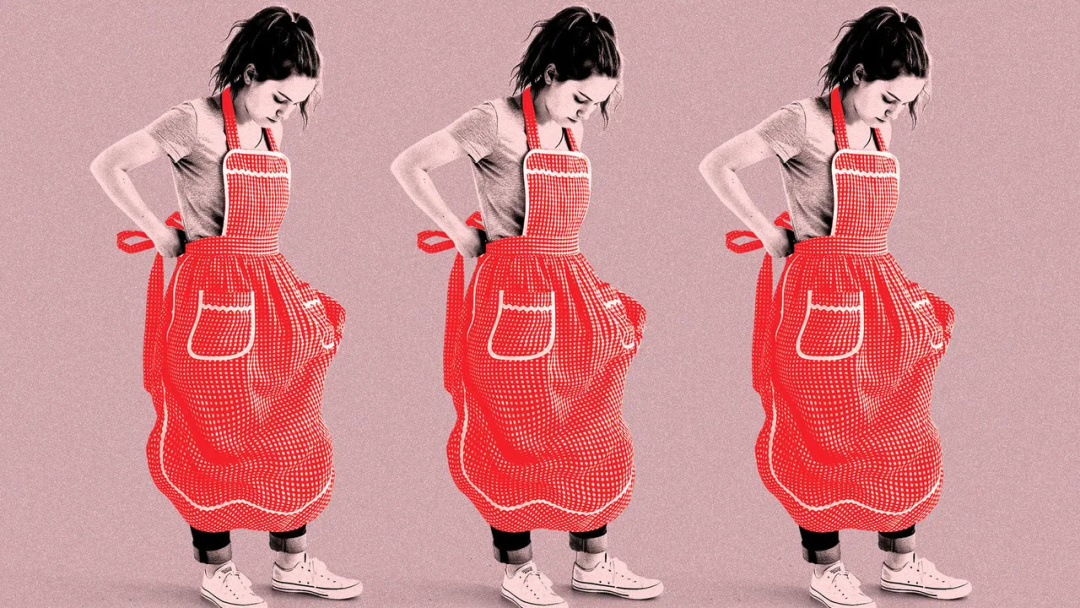
In an unexpected turn of events, the marketing world has recently discovered a flourishing demographic: teenage tradwives. These young influencers, notably individuals like Hannah Neeleman and Nara Smith, have captivated brands with their unique blend of nostalgia and domesticity, proving that a return to 1950s-style wifery is not only viable but marketable. Brands are now pivoting to this insight, aiming to capture the attention of a generation that has grown up amidst social media and reality television, reinforcing the idea that a woman's worth is often judged by her ability to create a well-curated home environment.
The tradwife phenomenon is a masterclass in marketing strategy. By showcasing idyllic scenes of homemaking, cooking, and parenting, these influencers deliver a compelling narrative that suggests fulfillment lies in traditional femininity. In a world overwhelmed by corporate feminism and empowerment slogans, the rise of the tradwife offers a counter-narrative—a return to simpler times when women were celebrated for their role in the home, thus sparking a flurry of product offerings aimed at this audience.
Objects of Questionable Importance
Must Have Sponsors.
Teenagers, who have been steeped in influencer culture since their early years, are now embracing this archetype en masse. The tradwife lifestyle promotes a checklist of attributes that include baking, crafting, and nurturing, all while maintaining an aesthetic reminiscent of a vintage magazine cover. This trend challenges conventional expectations of young women, suggesting that the path to personal fulfillment is rooted in domesticity rather than career ambition.
Market analysts have taken notice, with brands racing to align their products with the growing tradwife trend. Kitchen appliances, home decor, and even fashion lines are being tailored to appeal to this demographic, leading to a renaissance of retro products. One can hardly scroll through social media without encountering posts featuring freshly baked bread, homemade crafts, or impeccably set dinner tables—all marketed as achievable with the right brands.
This phenomenon raises intriguing questions about the nature of empowerment in modern society. Are we witnessing a regression, or is it a clever rebranding of traditional roles as something aspirational? The irony is palpable; while brands tout messages of female empowerment and independence, they simultaneously promote a return to domesticity, presenting it as a fulfilling choice for young women. It's as if the marketing industry has unlocked a paradox: the more traditional roles are painted as empowering, the more they offer an escape from the pressures of modern womanhood.
As brands capitalize on this trend, it remains to be seen how long the fascination with the tradwife will last. Will it become a lasting fixture in the marketing landscape, or is it merely a fleeting moment in the cultural zeitgeist? Regardless of the outcome, the influence of teenage tradwives is a testament to the enduring power of nostalgia in shaping consumer behavior, proving that sometimes, looking backwards can be the most effective strategy for moving forward.