Beauty Industry Reports $2.6 Billion Growth Amid Increased Pressure on Women to Achieve Flawlessness
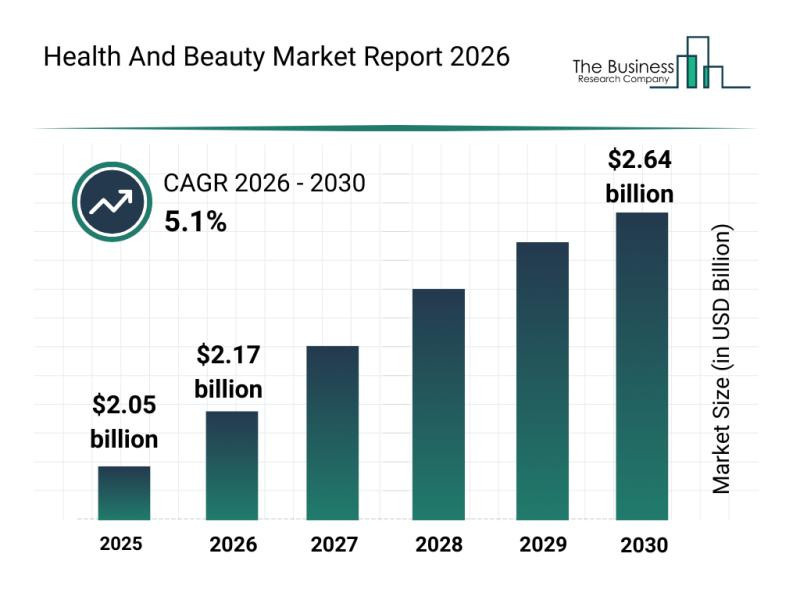
In an astonishingly bold move to redefine beauty standards, market analysts have projected that the health and beauty sector is on track to reach an unprecedented $2.6 billion by the year 2026. This sharp increase is attributed not only to a growing demand for holistic health solutions but also to the relentless pressure on women to embody an ever-elusive standard of perfection. The report underscores a staggering trend: women are increasingly expected to balance personal wellness with the aesthetic demands of their daily lives, creating a new tier of stress that can only be described as 'impeccably exhausting.'
In a world where the line between beauty and wellness blurs to the point of invisibility, innovations in personal care products now boast claims that merge skin-deep aesthetics with profound internal cleansing. New products dubbed 'Essence of Perfection' and 'Tranquility in a Jar' promise not just to clear your skin but to clear your conscience of all your past skincare sins. As a result, social media influencers have been quick to adopt these products as essential components of their daily regimes, further entrenching them in the fabric of everyday female life.
Objects of Questionable Importance
Must Have Sponsors.
Amid these developments, the concept of the 'Clean Girl' aesthetic has taken center stage. This trend encapsulates the idea that women should look effortlessly perfect without the burdens of traditional beauty rituals. However, industry insiders caution that achieving this look may require upwards of 20 hours a week spent on skincare products alone. The irony, of course, is that this ideal of effortless beauty demands a Herculean effort that most women simply cannot afford, both financially and temporally.
Furthermore, the rise of these impossible standards doesn't just stop at skin care; it extends into the realm of emotional labor and personal branding. Women are now expected to curate their lives—both online and offline—so meticulously that any slip-up could be detrimental not just to their social media presence but to their overall marketability as women.
Industry experts suggest that as we approach this projected market growth, women should prepare themselves for the next wave of 'wellness enhancements,' which may include everything from mood-boosting serums to body contouring supplements—all packaged in eco-friendly, Instagrammable bottles, of course.
As such, the cacophony of voices heralding the benefits of this expanding market must also reckon with the underlying stress it places on women to embody the ideal. With each new product launch, the echo of 'you must try harder' reverberates louder through the digital halls of social media.
Thus, as the beauty industry prepares to redefine itself in the coming years, one can only wonder: will women rise to meet these new standards, or will the weight of expectation simply crush the very essence of their self-worth? As we witness the health and beauty sector's meteoric rise, we must simultaneously question the price women pay for being deemed beautiful.
This impending multi-billion dollar growth is not merely a financial statistic; it is a harbinger of the increasing burdens placed upon women in the name of beauty. The question looms large: how much longer can women sustain the facade of perfection as the stakes continue to rise?