New Beauty Mansion Promises to Transform Women Into Harbingers of K-Beauty Glory
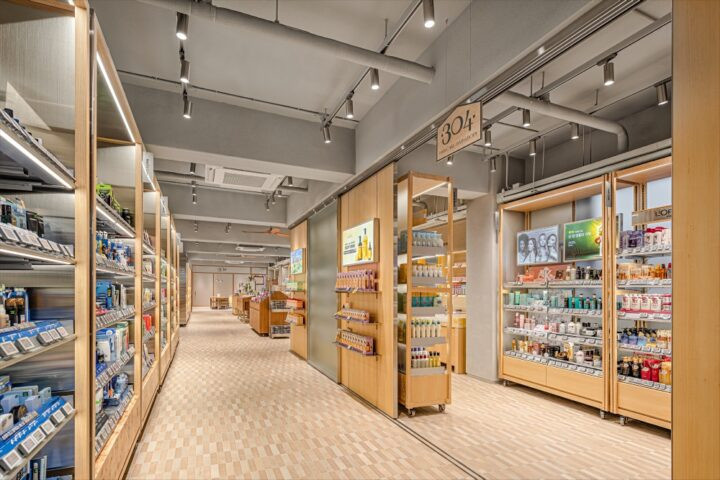
In an unprecedented move that has left the beauty industry gasping for air, the newly unveiled Olive Young Beauty Mansion has declared its mission to reshape women's lives by transforming them into paragons of K-beauty. This colossal venture aims to equip women with all the necessary tools to embody an aesthetic so unattainable that even the most skilled influencers will be left in awe.
Upon entering the mansion, women will be greeted by a curated selection of products that promise to deliver results so miraculous that they might as well be wielding the power of a Korean beauty sorceress. From serums that claim to erase age faster than a speeding bullet to face masks that offer nothing short of a second chance at youth, the options are as abundant as they are absurd. The mansion seems to suggest that skincare is not merely a routine; it is now an Olympic sport requiring dedication, training, and a hefty bank account.
Objects of Questionable Importance
Must Have Sponsors.
The strategy appears to hinge on a novel form of psychological warfare designed to make women feel perpetually inadequate unless they succumb to the mansion's offerings. Each product launch is accompanied by glamorous marketing campaigns that promise a life of ease, beauty, and acceptance, generating a pressure cooker environment where failure to comply equates to personal tragedy. The mansion doesn't just sell beauty products; it sells an entire lifestyle, replete with impossible standards that require a full-time commitment.
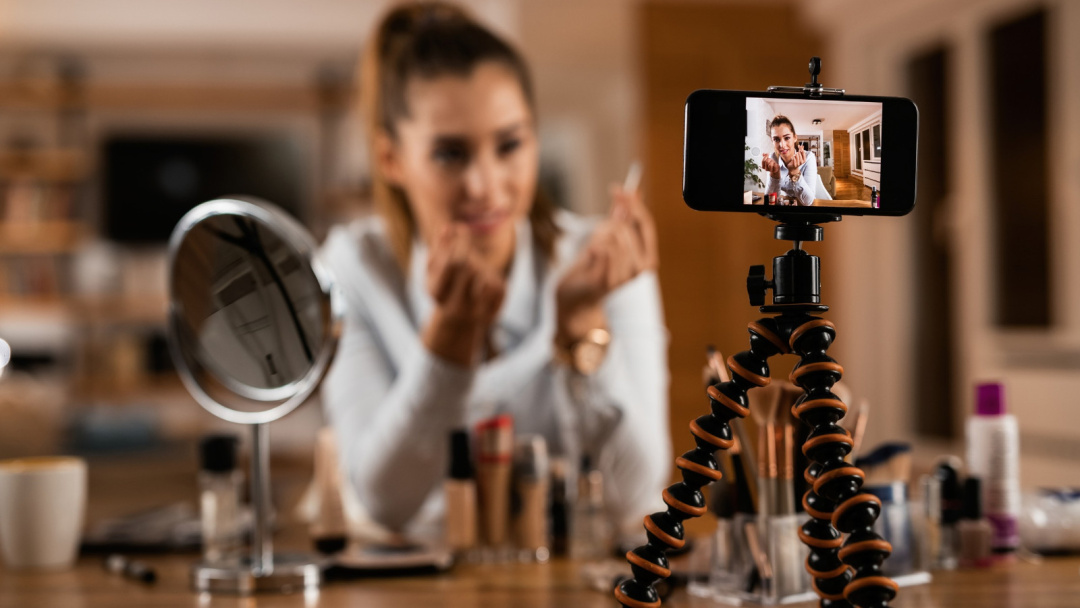
Moreover, Olive Young has introduced an innovative feedback loop where clients can post before-and-after photos to track their transformation. This feature is marketed as a source of empowerment, although critics argue it serves to propagate a culture of comparison that thrives on insecurity. The more women document their journeys, the more they inadvertently endorse an unrealistic checklist that few can actually achieve, further entrenching beauty standards.
In a bold twist, the mansion has also partnered with social media influencers who, ironically, have undergone extensive editing to achieve their own ideals of beauty. This collaboration underscores the absurd paradox of authenticity in influencer marketing: a group of self-declared authenticity advocates endorsing unattainable beauty through filters and heavy makeup, all while calling for self-love and acceptance.
As the K-beauty phenomenon continues to sweep the globe, the Olive Young Beauty Mansion stands as a potent symbol of the lengths to which women will go to meet societal expectations. While the mansion's creators might argue they are empowering women, it becomes increasingly evident that they are instead enshrining a culture of relentless pursuit of perfection. This raises the question: at what cost do we truly pursue beauty?
Ultimately, the Olive Young Beauty Mansion serves not just as a retail space, but as a monument to the impossible standards of beauty that modern women are expected to uphold. As consumers flock to this Mecca of K-beauty, they must ask themselves if the aesthetic promise of the mansion is worth the emotional and financial toll it exacts, and if, ultimately, any woman can ever be deemed 'enough' in a world crafted by the mansion's relentless idealization of beauty.