New Guidelines Suggest Women Should Consider Regrets Of Plastic Surgery Before Committing
In an astonishing development that has sent shockwaves through the beauty industry, a new set of guidelines proposes that women should thoroughly contemplate the regrets associated with cosmetic surgery before making life-altering decisions. This revelation comes as various celebrities, renowned for their commitment to maintaining unattainable beauty standards, have bravely shared their personal experiences with the knife, revealing both triumphant transformations and grave missteps.
Among the most notable cases is Megan Fox, who took the floor to assert her unwavering stance against certain procedures while simultaneously embracing the transformative powers of strategically placed silicone. Fox disclosed her extensive history with breast augmentation, revealing her preference for a sensibility that channels "1990 stripper titties," a statement that surely resonates with women everywhere grappling with the complexities of personal identity through surgical enhancement.
Objects of Questionable Importance
Must Have Sponsors.
Conversely, Bella Hadid has publicly lamented her youthful decision to undergo rhinoplasty at just 14 years old, reflecting the immense societal pressure to conform to an idealized beauty template. Hadid’s heartfelt confession about wishing she had retained the nose of her ancestors serves as a poignant reminder of the cultural narratives surrounding beauty, pushing the envelope on what it means to embrace one’s natural features.
In a more cautionary tale, Karamo Brown of Queer Eye fame, once an advocate for self-improvement through surgery, now warns against the perils of buccal fat removal. His experience, marked by painful complications and a cascade of self-doubt, emphasizes the underlying message of the new guidelines: no one should endure chronic discomfort in the relentless pursuit of beauty.
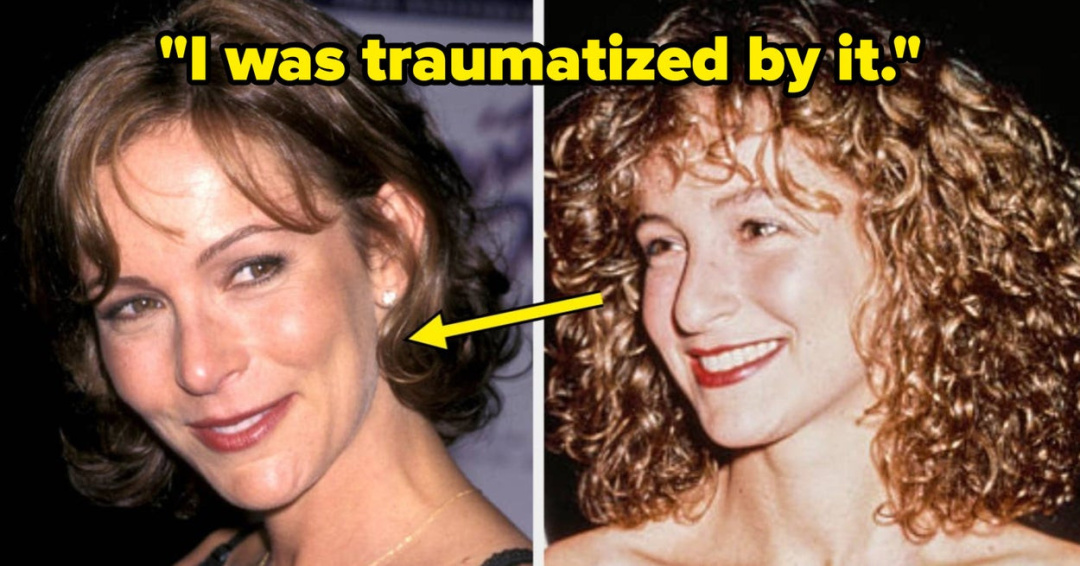
Jennifer Grey’s story further illustrates the contradictions of cosmetic surgery. Initially seeking to enhance her career through surgical intervention, Grey has since expressed feelings of invisibility and regret associated with her nose job. This stark realization has sparked conversations about the true cost of beauty as dictated by Hollywood’s unforgiving standards.
Dolly Parton, on the other hand, offers a refreshingly candid perspective. Parton’s philosophy—"If something is bagging, sagging or dragging, I’ll tuck it, suck it or pluck it"—has become a rallying cry for those seeking to reclaim agency over their bodies, all while navigating the treacherous waters of public opinion and personal satisfaction.
The celebrity testimonials continue to roll in, revealing a collage of experiences that range from life-affirming to deeply regrettable. Iggy Azalea, for instance, has emerged as a staunch advocate for self-acceptance, reminding young individuals that their perceptions of themselves may evolve over time, thus warranting caution before undergoing irreversible procedures.
As these discussions unfold, it has become clear that the landscape of beauty is not only about aesthetics but also about the emotional and psychological toll of conforming to society's ideals. This intersection of surgery and sentiment underscores the necessity for a more nuanced conversation about cosmetic procedures, one that goes beyond simple enhancement to consider the long-term implications.
In summary, these new guidelines encourage women to weigh the potential regrets accompanying cosmetic surgery against its immediate allure. As the industry grapples with this evolving narrative, one thing is certain: the road to beauty is paved with the stories of those who have bravely navigated its treacherous waters, often with a healthy dose of humor and a profound understanding of their own journeys.