Women Over 40 Officially Declare Independence from Dating Expectations
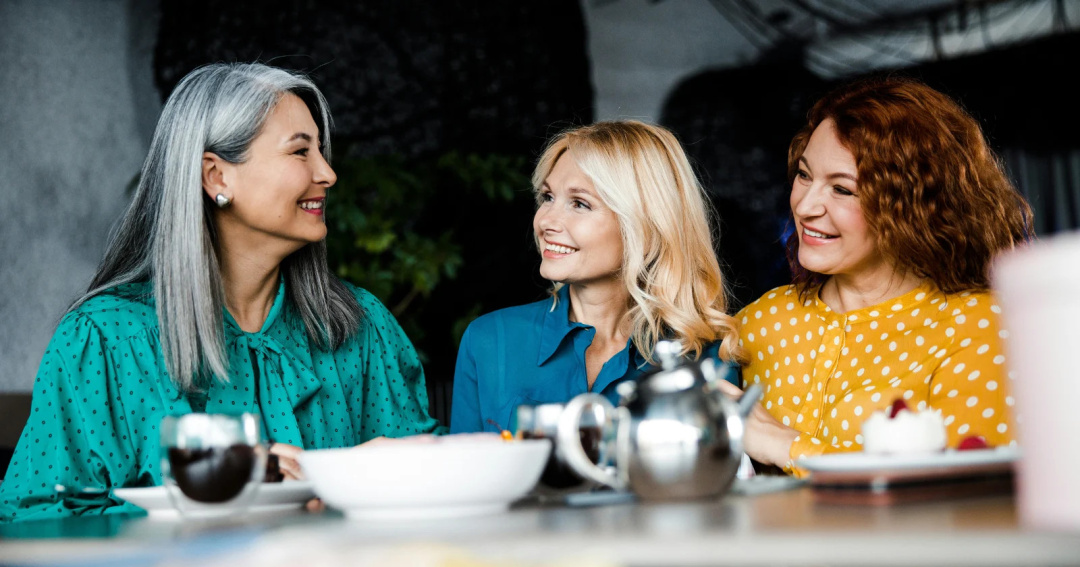
Recent studies reveal a fascinating trend among women over the age of 40: many are opting to remain single, defiantly rejecting the age-old narrative that singlehood equates to a lack of fulfillment. Contrary to popular belief, these women are not merely biding their time until the right partner comes along; they are actively celebrating their autonomy. New survey data indicates that a staggering 71 percent of single women in this age group claim they are not currently looking for a partner, compared to just 42 percent of men. This stark difference highlights a societal shift that has yet to be acknowledged in mainstream conversations about relationships.
The concept of singlehood as a valid lifestyle choice, rather than a mere phase, is gaining traction, thanks in part to the work of social scientists like Bella DePaulo. She introduced the notion of being 'single at heart,' which captures the essence of how many women over 40 feel: fulfilled and content without a romantic partner. Rather than dreading family gatherings where they face the dreaded question, "Anyone special in your life?", these women are relishing the freedom that comes with independence.
Objects of Questionable Importance
Must Have Sponsors.
This cultural phenomenon is significant as it challenges the long-held assumption that a woman's worth is tied to her relationship status. The very idea that single women are merely waiting for their lives to begin once they find a partner is an outdated narrative that many are eager to upend. Instead, they are crafting lives rich in personal fulfillment, pursuing careers, hobbies, and friendships without the pressure of romantic entanglements.
As it stands, the persistent question posed to women about their relationship status is often laden with an implicit assumption that being without a partner is less desirable. This expectation creates an invisible pressure that many women navigate with grace, responding with stories of fulfilling lives that do not require validation through coupledom. The stark contrast with how men’s singlehood is perceived further emphasizes the double standard inherent in societal views on relationships, as men are often celebrated for their independence, while women seem to carry the weight of expectation on their shoulders.
The invisibility of women’s choices in this regard serves to perpetuate outdated stereotypes. By not announcing their joy in being single, these women contribute to a silence that can mask a powerful movement toward autonomy. The reality is that singlehood, particularly for women over 40, is increasingly recognized as a legitimate and enriching lifestyle.
This evolution reflects broader societal changes where personal choices are finally being acknowledged as valuable in their own right. The narrative that a woman must have a partner to validate her existence is slowly being dismantled. Instead, we are witnessing a new era where single women are not just waiting for their lives to start but are flourishing in the here and now, living vibrant and meaningful lives on their own terms.
It is essential that conversations surrounding singlehood evolve to reflect this reality, moving away from the narrative of loss to celebrate the empowerment that comes with choosing to live independently. As society continues to progress, the need for societal acknowledgment of women’s choices grows ever more pressing, ensuring that singlehood is recognized not just as an option but as a powerful statement of independence.