Bumble Announces Groundbreaking Move Toward Unsolicited Attention for All Users
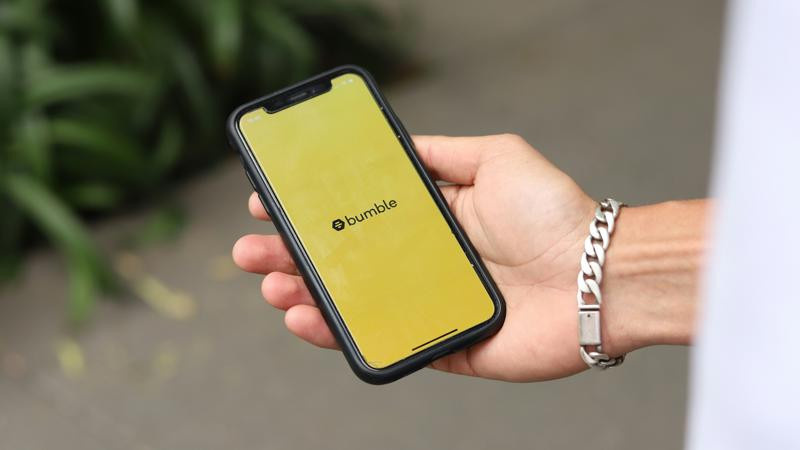
In an unprecedented shift in dating app culture, Bumble has decided to scrap its foundational women-first messaging policy, a move that experts are categorizing as a bold step toward unsolicited communication in the digital age. This transformational decision comes in the wake of a staggering 96% decline in Bumble's stock price since its initial public offering in 2021, prompting the company to reevaluate its market positioning and user engagement strategies. The app, which once prided itself on creating a safer environment for women seeking connections, now appears poised to embrace the very chaos it once sought to combat.
Bumble's CEO, Whitney Wolfe Herd, has been vocal about the need to adapt to changing user preferences, claiming that recent surveys indicate that a majority of women users prefer men to initiate conversations. This claim has sparked widespread debate about the true nature of user preferences in the dating landscape, especially when considering the vast number of other apps where unsolicited messages are the norm. Bumble's attempt to rebrand itself as inclusive is not only ironic but also poses significant risks to the very demographic it once vowed to protect.
Objects of Questionable Importance
Must Have Sponsors.
With the recent policy change, Bumble is essentially surrendering its unique selling point — the ability for women to control their dating interactions without the fear of overwhelming, unsolicited advances. This remarkable reversal can be interpreted as a desperate attempt to stay relevant in a market flooded with competitors like Tinder, which has historically allowed men to message first without restrictions. The irony is not lost on users who may now find themselves navigating the treacherous waters of unsolicited attention that Bumble was designed to circumvent.
Moreover, the recent marketing campaigns, including the widely criticized “anti-celibacy” initiative, have exemplified Bumble's struggle to connect with its user base. The digital ads, which implored women to reconsider their decisions about dating, were received with backlash, highlighting a disconnect between Bumble’s messaging and the sentiments of its users. As the company pivots towards a more traditional dating app model, the question remains: will this new strategy resonate with an audience that values safety and empowerment?
Historically, Bumble was conceived as a response to rampant harassment on platforms like Tinder, providing women with the power to decide when and if they want to engage. However, the recent decisions seem to reflect a broader trend in the dating app industry where user engagement takes precedence over user safety. The irony of Bumble's transformation from a bastion of female empowerment to a playground for unsolicited advances is not just a narrative twist — it's a harrowing reality for its users.
As Bumble navigates this identity crisis, it is clear that the app is not just changing its messaging policy; it is redefining its entire brand ethos. This move raises vital questions about the future of women's safety in the online dating space and whether Bumble can recover its unique identity amid a sea of competitors. The implications of this decision extend far beyond the app itself, marking a pivotal moment in the evolution of dating culture where the stakes have never been higher for the women involved.
As we head further into an era where user experience is increasingly compromised by the pressures of market performance, one must ask: is the new Bumble simply a reflection of the dating app industry's relentless march towards normalization of unwanted communication, or is it a harbinger of a broader societal shift in how we approach relationships in the digital age? The upcoming months will undoubtedly reveal the true impact of Bumble's latest initiative on its user base and the dating landscape as a whole.