Skincare Revolutionized: Experts Recommend Starting Anti-Aging Regimens Before Learning to Walk
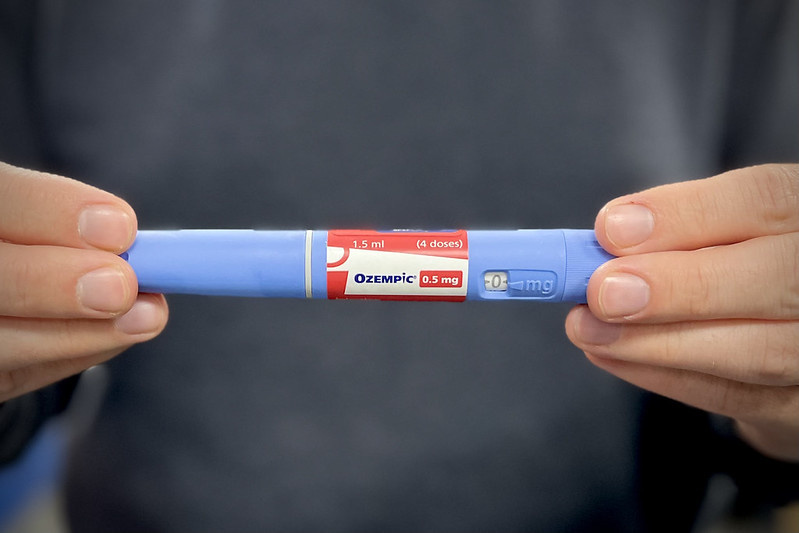
In an unprecedented move that may shock skincare enthusiasts everywhere, experts are now advocating for the initiation of anti-aging skincare treatments before the age of five. This bold new strategy comes as a direct response to the rapidly rising phenomenon of the so-called "Ozempic face," which many have associated with the growing popularity of GLP-1 medications. As it turns out, the solution to premature aging may lie in early intervention with a skincare routine as rigorous as a toddler's nap schedule.
This radical approach is not merely a suggestion; it is swiftly gaining traction among beauty experts who argue that consistent skincare habits are essential to combating the societal pressures of unrealistic beauty standards. According to Dr. Marc Ronert, a plastic surgeon and CEO of IMAGE Skincare, the impact of GLP-1 usage on skin health—combined with the unyielding demand for youthful appearances—requires a preemptive strike against aging.
Objects of Questionable Importance
Must Have Sponsors.
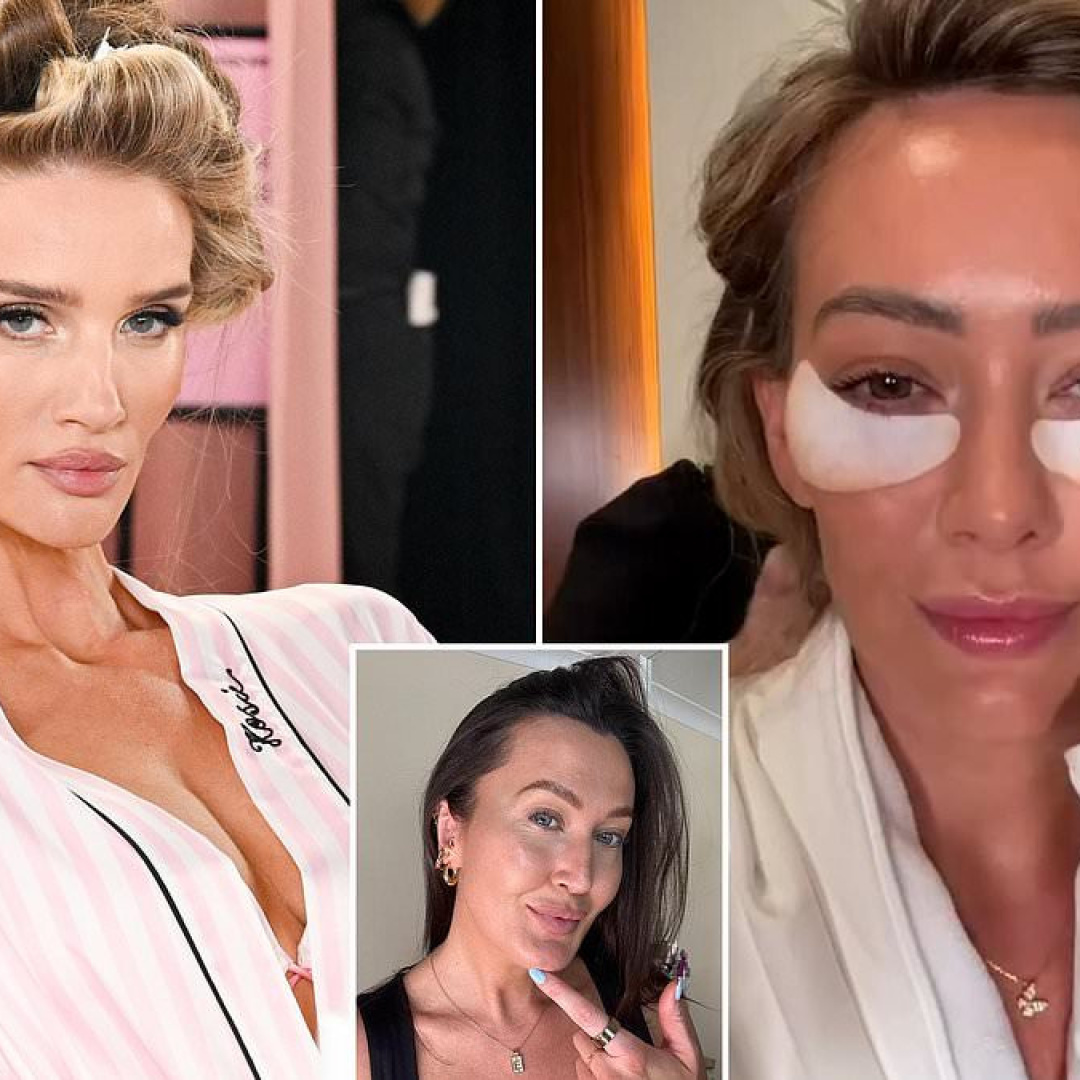
The phenomena surrounding "Ozempic face" highlight the unfortunate truth that rapid weight loss can lead to significant changes in facial volume. As the skin loses its structural support due to fat and collagen depletion, women are left grappling with hollow cheeks and sagging skin, all while trying to navigate the beauty industry's perpetual demand for perfection. Experts insist that taking steps towards anti-aging care at a young age is not just wise, but necessary to minimize the visible signs of aging exacerbated by modern medication and lifestyle choices.
In this brave new world of youth preservation, parents are encouraged to introduce their toddlers to a daily regimen of hydrating serums and sun protection, ensuring that their children are well-equipped to resist the relentless march of time. The irony here is rich, as society mandates that women must appear both effortlessly beautiful and eternally youthful, all while being bombarded with fast-paced cultural shifts driven by social media and marketplace trends.
Furthermore, the trend towards early skincare intervention raises questions about the ethics of such measures. Is it truly beneficial for young children to be involved in anti-aging practices? Or are we simply accelerating the cycle of insecurity perpetuated by toxic beauty norms? As debates rage on, one thing is clear: the quest for eternal youth is no longer limited to adults, and apparently, beauty really does begin in infancy.
Meanwhile, skincare brands are eagerly jumping on the bandwagon, developing formulas specifically designed for the youngest of consumers. These groundbreaking products, infused with hyaluronic acid and amino acids, promise to combat the inevitable decline of youthful exuberance before it even begins. As these toddler-focused treatments hit the shelves, expect to see ads targeting parents with slogans like "Start your little one on the path to flawless skin today!"
This movement, while absurd, serves as a reflection of the extreme lengths to which society will go to maintain the facade of youth and beauty. As we ponder the implications of such a trend, the larger question lingers: will we ever be able to escape the impossible checklist of what it means to be a perfect woman in today's world?