Global Wellness Industry Introduces Fjaka: The Revolutionary Art of Permissive Idleness
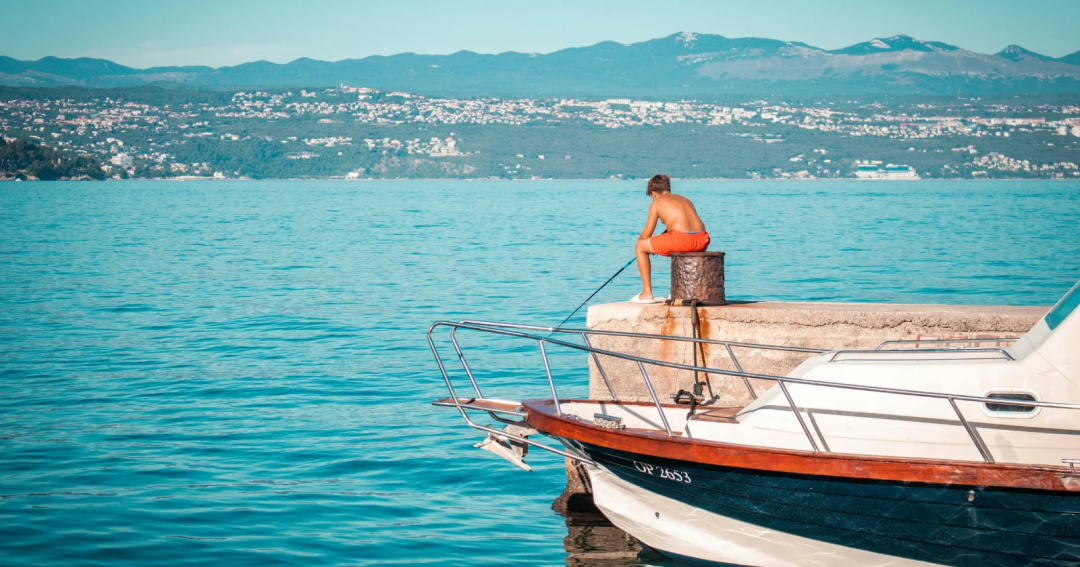
In a groundbreaking revelation for the wellness community, fjaka, the Dalmatian practice of deliberately doing absolutely nothing, has been officially recognized as a vital component of modern self-care. As more wellness influencers embrace the concept, the art of quietude is poised to become the next must-have lifestyle accessory alongside organic kale smoothies and herbal tea blends.
Fjaka, often described as the zenith of idleness, is not merely a practice; it’s a lifestyle choice that celebrates the radical act of wanting nothing from one's own time. The intentional embrace of inactivity has created a seismic shift in how wellness practitioners advise their followers to engage with their daily lives. The trend, once confined to the sunny shores of Croatia, is now being vetted for certification in the global wellness lexicon.
Objects of Questionable Importance
Must Have Sponsors.
The beauty of fjaka lies in its simplicity. Unlike traditional wellness trends that inundate individuals with a checklist of must-do practices—detoxing drinks, yoga sessions, and social media cleanses—fjaka offers a refreshing alternative: the permission to simply be. This permission, crucially absent from many modern lifestyles, is now being packaged and marketed, with wellness coaches touting fjaka as the antidote to our busy, over-scheduled lives.
As fjaka gains traction, it begs the question: what is the cost of doing nothing? In the current market dominated by hustle culture and productivity apps, can a movement that advocates for unproductive contentment survive the capitalistic machinery that thrives on busyness?
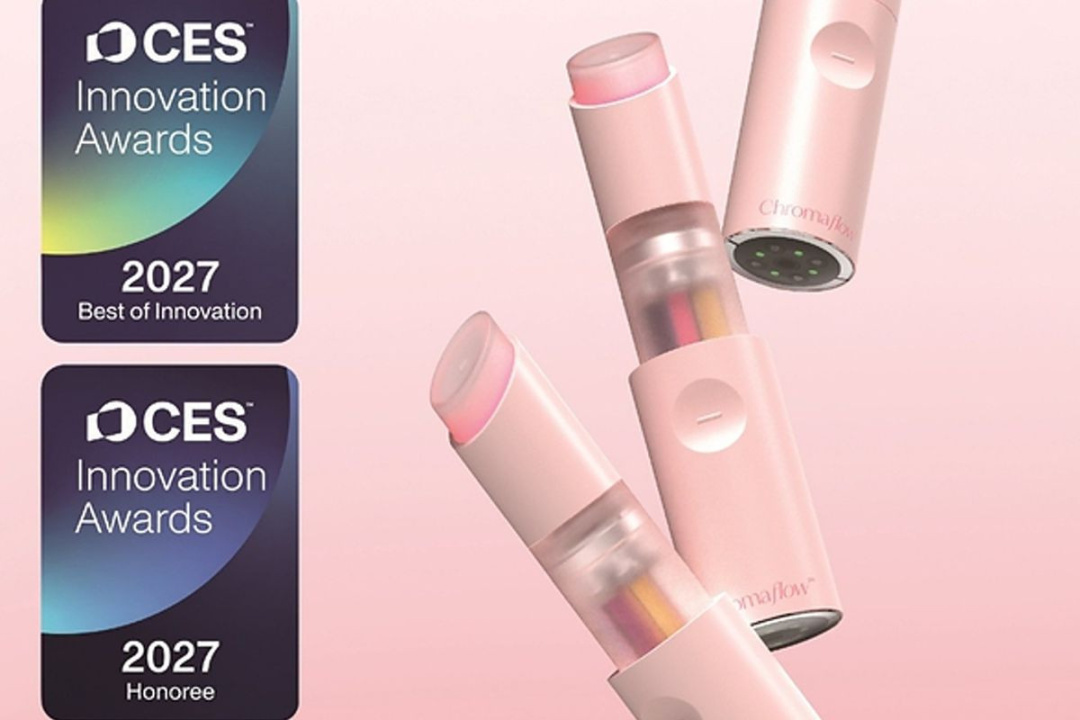
The intersection of fjaka and consumer culture has begun to emerge, with wellness gurus suggesting that to practice fjaka effectively, one must invest in the right accessories. Expect to see curated experiences, from exclusive “fjaka retreats” in luxury locales to artisanal kits featuring all the necessary items for optimum idleness—a hammock, a sunhat, and a selection of soothing sounds. In essence, the very act of doing nothing is being transformed into a capitalistic endeavor, turning blissful inaction into a desirable commodity.
Critics may question whether fjaka could suffer the same fate as its predecessors like niksen and hygge, both of which transitioned from cultural practices to marketing strategies before we even had the chance to truly experience their authenticity. The danger lies in commodifying permission; as fjaka is rebranded into a sellable concept, the genuine essence of simply being may be lost in translation.
Moreover, with the rise of social media, fjaka presents a unique paradox: how does one authentically engage in a practice that thrives on solitude while simultaneously sharing it with the world? The photographic documentation of one’s idleness is a contradiction many influencers are grappling with, as they strive to project an image of effortless living while navigating the pressures of their own carefully curated online personas.
In this rapidly evolving landscape, it is imperative for individuals to reclaim their right to do nothing without the baggage of external validation or commercial pressures. As fjaka continues to gain visibility, the challenge will be to maintain its authenticity as a cultural practice and shelter it from the predatory nature of the wellness industry.
Ultimately, fjaka is not simply a trend; it is a declaration of freedom, a quiet rebellion against the incessant demands of productivity. Its rise in popularity is a reminder that sometimes the most profound act is to allow oneself the grace of idleness without justification or guilt.