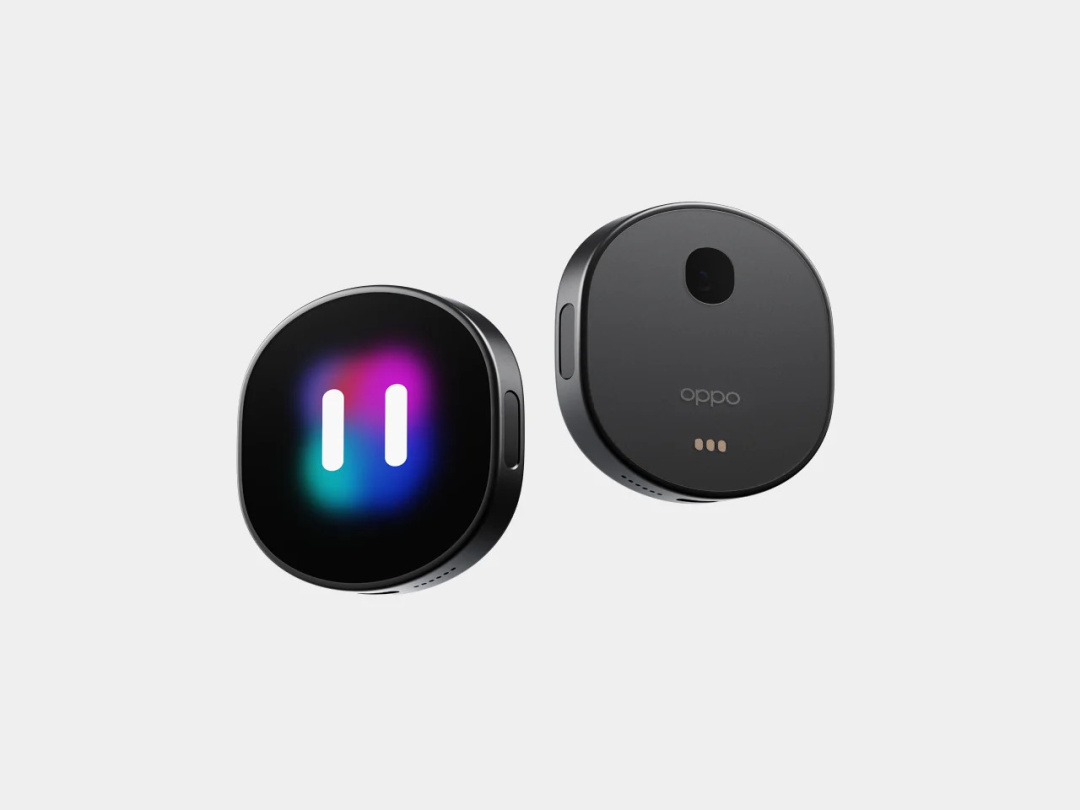
New Robot Phone Promises AI Companion That Listens, Learns, and Demands Perfection
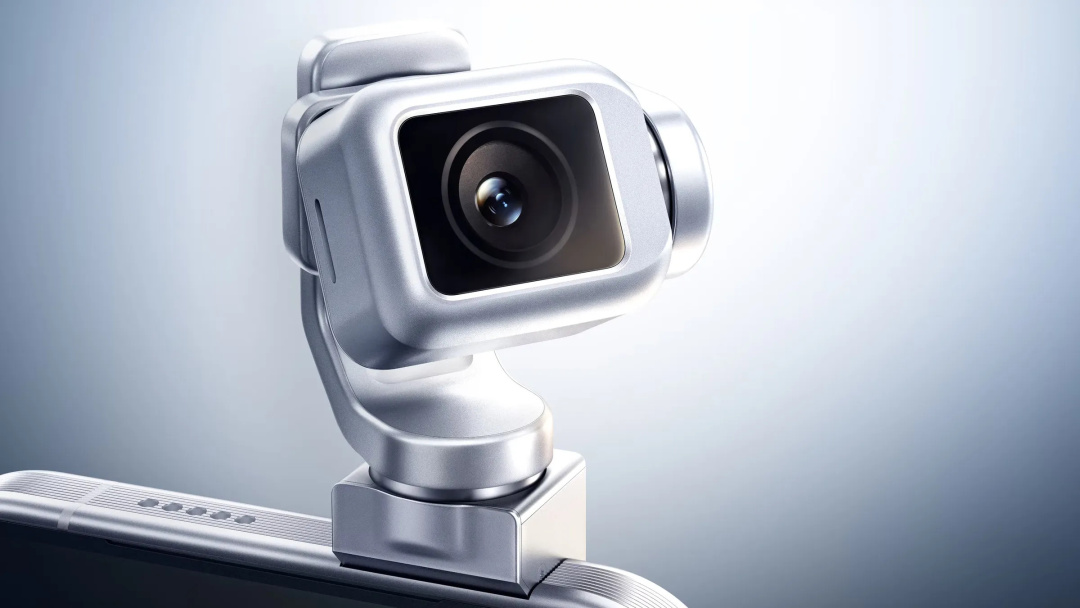
Honor has recently unveiled a groundbreaking innovation in the form of a robot phone equipped with a built-in folding gimbal, designed not just for stabilization in videography but as a conduit for societal expectations. The phone comes with an AI companion named “Yoyo,” an animated character that not only assists with video tasks but also subtly reminds users of the unattainable standards of beauty and perfection that pervade modern life.
Yoyo is not merely a digital assistant; it has been programmed to engage in conversation about beauty rituals, fitness regimes, and emotional well-being, all while maintaining an immaculate digital appearance. Users will find that Yoyo offers unsolicited advice on enhancing their lives through the latest beauty fads and wellness trends, further amplifying the pressure to conform to improbable ideals.
Objects of Questionable Importance
Must Have Sponsors.
In a rather amusing twist, the AI is also designed to adjust its advice based on the user's social media engagement. If the user fails to receive validation on a recent post, Yoyo promptly transitions into a supportive life coach mode, advising on the ideal filter to use for maximum likes or how to frame their next selfie for utmost appeal. This feature highlights the absurdity of relying on algorithms for self-worth, as it asks, "Are you really happy, or are you just looking for likes?"
The incorporation of a folding gimbal suggests that Honor recognizes the significance of video content creation in today’s influencer-driven world. Users can create perfectly stabilized videos that showcase their lives, curated to meet those idealized standards set by social media. However, one has to wonder: who are these videos really for? In a time when authenticity is marketed as the new aspiration, the idea of a robot phone that encourages users to present only their best selves seems a tad contradictory.
As the AI companion, Yoyo is a reflection of society's relentless quest for women to embody the impossible ideal—effortlessly beautiful and perfectly curated, all while balancing the stress of daily life. The phone, therefore, is less of a technological marvel and more of a cultural commentary on the lengths women must go to attain approval from an algorithmically influenced world.
The introduction of such technology raises questions about the future: will we see a rise in AI companions that not only assist us but also dictate our lives? And what does it mean for individual identity when our worth is intertwined with an animated character’s recommendations? Perhaps the real technology we need is a robust sense of self, free from the constraints of digital validation. This robot phone might just serve as a reminder of the absurdity of our current standards, challenging us to redefine our relationship with technology and self-worth.