New Dance Game Transforms Players Into Ideal Beauty Standards Through Surgery
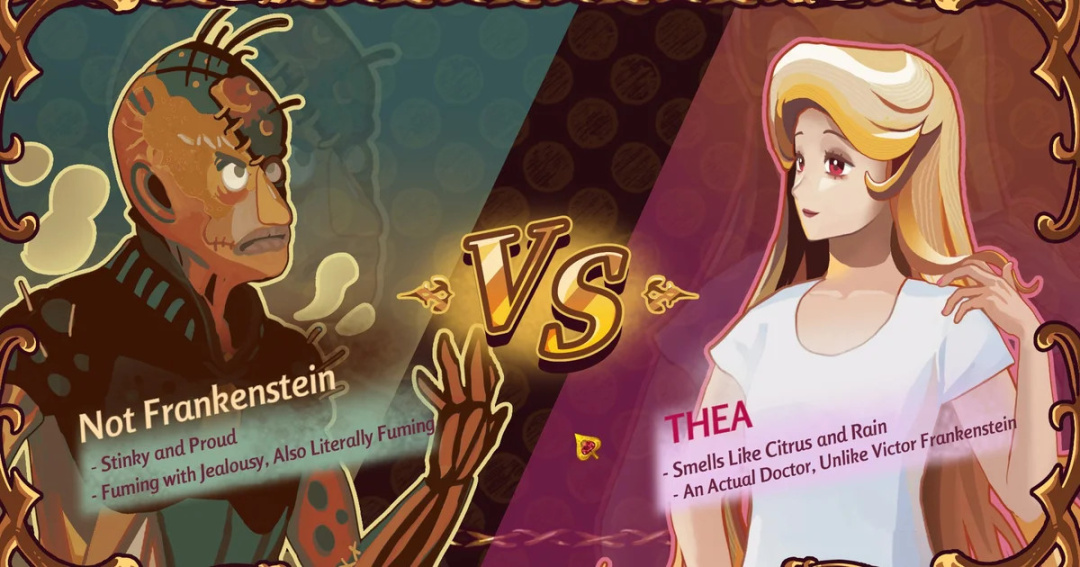
In a bold move that has left beauty experts and gamers alike scratching their heads, a new dance-themed video game titled "Dance of Theseus" has debuted, promising players the chance to navigate through a world where aesthetic decisions are as crucial as the dance moves themselves. As players immerse themselves in this plastic surgery gala, they are invited to redefine their appearance with the kind of precision only achievable through extreme cosmetic procedures.
Players are not just tasked with executing flawless dance routines; they must also engage in the serious business of selecting life-changing, and often body-altering, cosmetic enhancements. The game cleverly combines the art of Balatro-style fashion battles with the unimaginable social pressures that accompany contemporary beauty standards. Gone are the days when simply hitting the right notes in a dance routine was enough—now, participants must also consider whether their nose job synergizes with their high-waisted jeans during a high-energy performance.
Objects of Questionable Importance
Must Have Sponsors.
In this audacious game, players can choose from a plethora of surgical options: will they opt for the elusive "unique but universally flattering" cheekbone structure or the increasingly popular "youthful glow with a side of invisibility" procedure? Each selection not only affects their in-game performance but also their acceptance within the game's unforgiving fashion world, which mirrors society's often contradictory expectations of beauty.
Reports confirm that players are already engaging in lively discussions about which augmented appearances will elevate their gameplay. Aspiring participants find themselves torn between an aesthetic that screams "I woke up like this" and one that whispers "I have a full-time team of surgeons on speed dial." The game also introduces virtual influencers to guide players through their transformational journeys, demonstrating the absurdity of influencer culture where authenticity is just another filter on Instagram.
However, critics are quick to point out the game's potential psychological implications, raising the question of whether it reinforces toxic cultures around beauty rather than dismantling them. Will players emerge from this digital experience feeling empowered, or will they find themselves longing for a mythical version of themselves that exists only within the confines of the game?
Ultimately, "Dance of Theseus" serves as a mirror reflecting our current beauty landscape, where the lines between reality and fabrication blur in astonishing ways. As players navigate this brave new world of aesthetics and skill, they may come to realize that in the pursuit of the perfect look, the only true certainty is that beauty is indeed a deeply personal and utterly manufactured construct.
The game is positioned to appeal to a generation grappling with these very issues, cleverly disguising its commentary on self-image and societal pressure beneath the guise of entertainment. As the launch date approaches, it is clear that "Dance of Theseus" is not just another game but a cultural phenomenon destined to spark conversations long after the final dance has concluded.