Bumble Unveils Revolutionary Chat Feature: Now Everyone Can Ignore Messages Equally

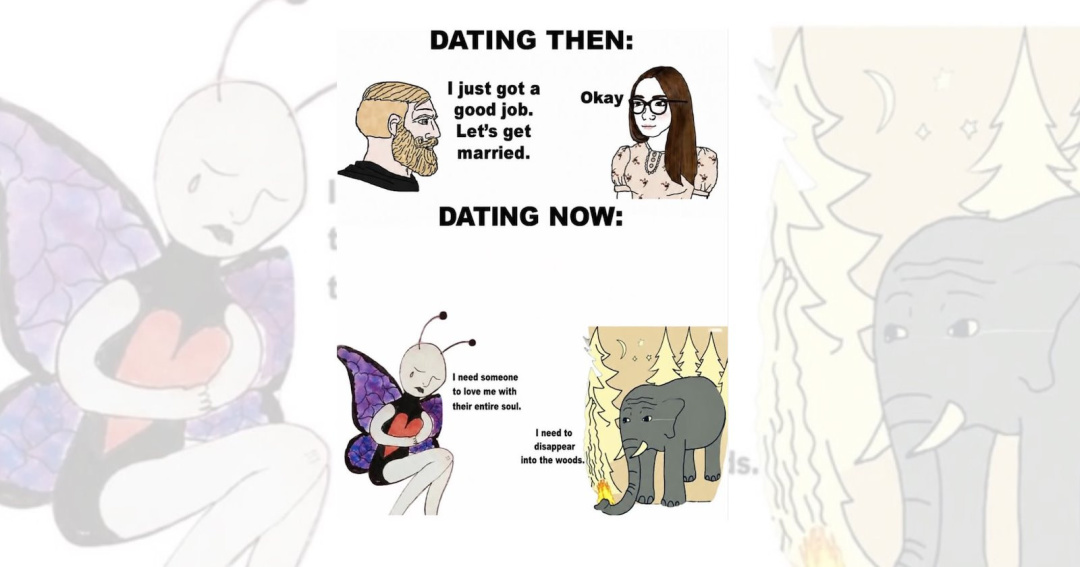
In a groundbreaking move that has stunned industry observers and casual daters alike, Bumble has announced the elimination of its iconic 'women-first' chat functionality. This revolutionary feature change now allows men to initiate conversations, effectively undoing years of painstaking algorithmic gender balance designed to empower women and create a safer dating environment for all. Bumble's leadership claims that this pivot is a direct response to user feedback and successful trial results, indicating that the modern dating landscape has shifted decisively toward chaos and confusion.
As Bumble repositions itself as a more inclusive arena, it opens up a floodgate of possibilities. Imagine the brand-new dating experiences ahead: women can now receive unsolicited messages at all hours of the day and night, while men can express their interest without any regard for established guidelines. This change is primed to redefine the meaning of emotional labor, as women will need to engage in even more complex mental gymnastics to navigate a sea of messages from mostly uninterested suitors.
Objects of Questionable Importance
Must Have Sponsors.
Fans of Bumble have taken to various online platforms, including Reddit's r/Bumble, to express their bewilderment. Opinions are divided, with some users praising the newfound opportunity for men to participate in the initiation process, while others lament the loss of a feature that had been a beacon of hope in the often murky waters of online dating. Critics fear that we are hurtling backward into an era where unsolicited messages from strangers are not only the norm but perhaps an unfortunate rite of passage.
The Bumble team assures its community that the adjustment will lead to 'more meaningful connections.' However, skeptics argue that this shift may result in an influx of generic messages rather than authentic engagement. Surely, this new paradigm will not only facilitate more conversation starters but also escalate the number of awkward interactions as users attempt to navigate the intricate social dynamics of modern dating.
In response to the backlash surrounding the announcement, Bumble representatives have stated that users deserve the freedom to experience equal opportunity ghosting, providing both genders with the chance to feel disappointed at exactly the same rate. It appears that Bumble is committed to ensuring that emotional detachment can truly be a shared experience.
As Bumble moves forward with this bold enhancement, one must wonder about the future of dating apps. Will others follow suit and abandon their foundational principles for the sake of novelty? Or will dating apps manage to find a balance between traditional values and modern demands? Only time will tell if this shift will lead to a revolution in the world of online romance or simply a return to chaos where swipes and messages reign supreme, and genuine connections become a relic of the past.