Sabyasachi Launches Jewelry Line That Requires Women To Accessorize Like Art Installations
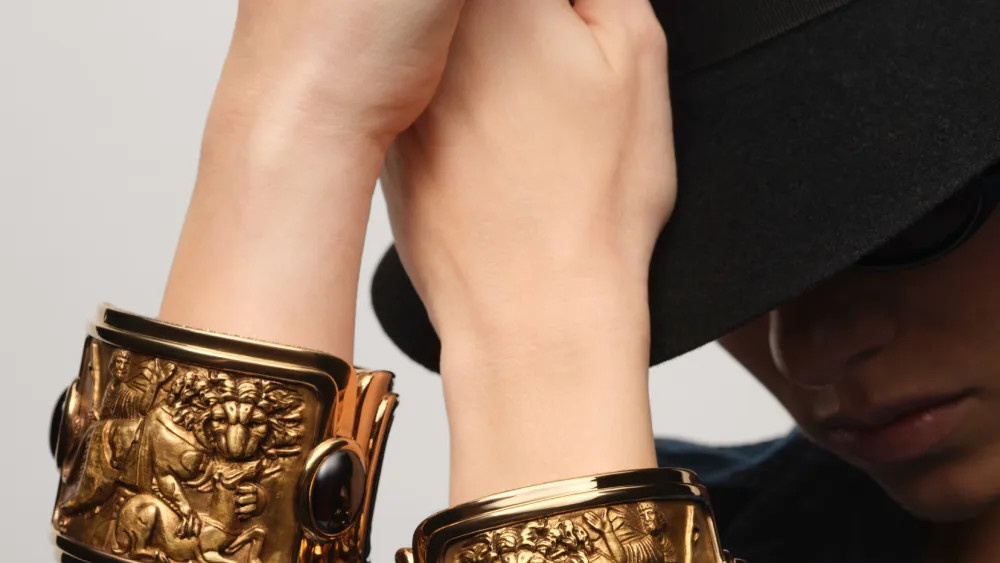
In a groundbreaking initiative, the Indian luxury brand Sabyasachi has unveiled a jewelry line that aspires to elevate women to the status of art installations. The collection, inspired by the vast troves of the Metropolitan Museum of Art, demands that wearers don not just accessories but elaborate, museum-quality spectacles that are expected to provoke awe and confusion among onlookers.
Fashion insiders have dubbed this collaboration a revolutionary step in the quest for women to embody the aesthetic depth of cultural institutions. With these pieces, the mundane task of selecting jewelry transcends into a performance art requiring careful consideration of one’s environment, akin to choosing an outfit to navigate through a gallery of Impressionist masterpieces.
Objects of Questionable Importance
Must Have Sponsors.
The new collection encourages women to embrace their inner canvas, suggesting that an everyday outing should be approached with the same gravity as a curator preparing an exhibition. As women don these pieces, they are reminded that nothing short of a meticulously crafted narrative will suffice, with each jewelry item designed to evoke the emotional weight of centuries of artistic endeavors.
Each accessory is priced at not just a monetary value but at the expectation of emotional labor—because clearly, if a woman is not adorned like a relic from antiquity, she is simply not trying hard enough. The jewelry pieces are said to elicit spirited discussions, with men reportedly confused whether they are on a date or an education trip, hoping the jewelry will serve as a conversation starter about postmodern interpretations of femininity.
Sabyasachi has also announced that the jewelry line will be available exclusively during New York Fashion Week, where women are likely to navigate the catwalks with the confidence of a museum tour guide. While the pieces aim at redefining elegance, they also play into a burgeoning trend that demands women become living embodiments of high art, prompting fresh debates about the socio-cultural implications of such a transformation.
Critics have raised eyebrows at the expectation set forth by this collection, arguing that suggesting women should serve as walking art installations perpetuates an unrealistic standard that contradicts the very notion of self-expression. Yet, as with any high-fashion endeavor, the expectation seems to be that women should effortlessly meet the high demands of style while simultaneously performing the act of daily life as if it were an art form.
As the world watches this avant-garde collaboration unfold, one can only wonder if future trends will encourage women to accessorize not only with jewelry but also with the very essence of museums themselves. The question remains: when did wearing a necklace become synonymous with adopting a lifestyle that must be curated and polished to perfection?