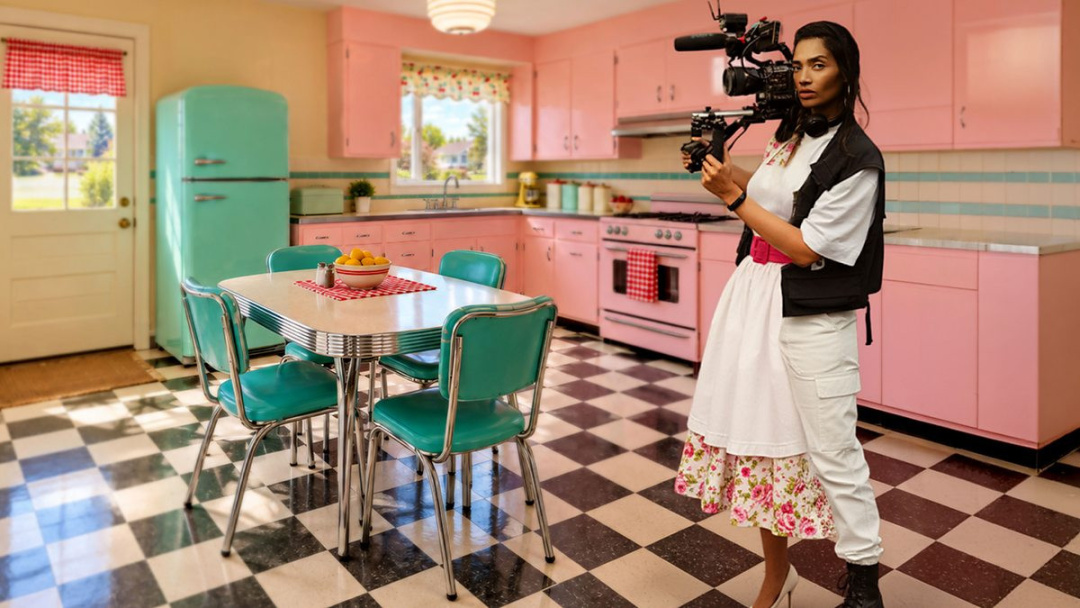
Influencer Branding Shift: 'Tradwife' or Just a Modern Homesteader with a Side Hustle?
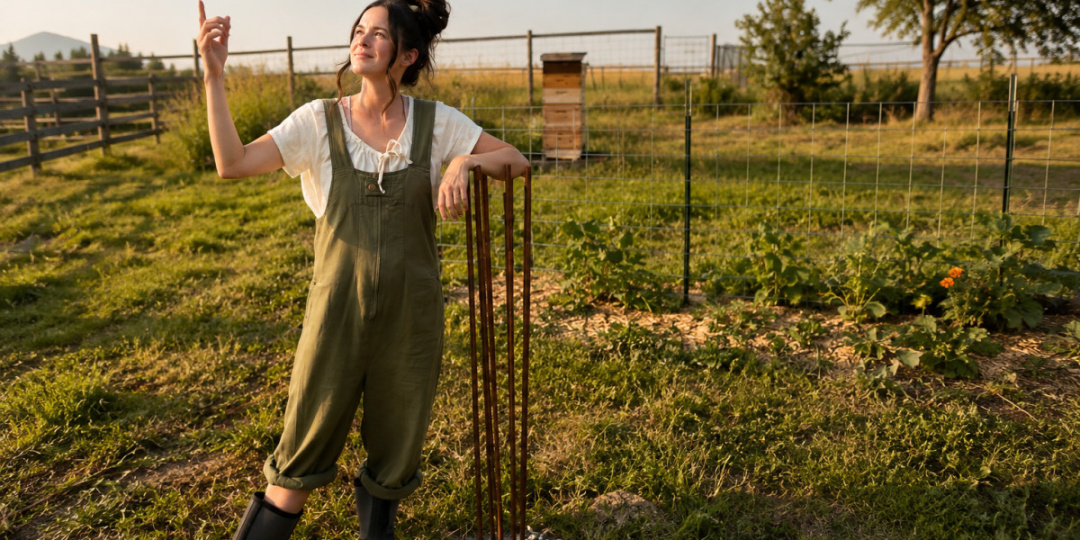
In the elusive world of dating and relationships, a new wave of influencers proudly waves the flag of traditional living, calling themselves 'tradwives.' However, upon closer inspection, these self-proclaimed keepers of the home often resemble more of a homesteading entrepreneur than the archetype of the 1950s housewife. This peculiar blending of old-world charm and modern commerce raises pressing questions about the true nature of commitment in contemporary society.
Consider the case of influencer Gubba, a 29-year-old who has turned her online persona into a lucrative business. She effortlessly combines tutorials on food storage with quaint homesteading tips, leading her audience to believe that traditional domesticity is both aspirational and profitable. While she sells the image of a devoted 'tradwife,' her real skill lies in the art of self-branding. The irony is almost palpable: to attract a partner in a world where emotional labor is at an all-time high, one must also engage in the labor of self-promotion. What happened to the simple life? Clearly, it now comes with Instagram filters and affiliate links.
Objects of Questionable Importance
Must Have Sponsors.
The emergence of the 'tradwife' phenomenon illustrates the contradictory expectations placed on modern women. While society clamors for them to reclaim domesticity, it simultaneously demands they turn that domesticity into a business model. The narrative of finding fulfillment in traditional roles is now coupled with the pressure to monetize those roles. As influencers thrive on portraying an idyllic lifestyle—complete with home-baked bread and artisanal pickles—the question arises: is this the new definition of a partner? One who is not only supportive but also adept at social media marketing?
In what can only be described as a flawless example of the paradox of modern womanhood, women are now expected to embody the nurturing qualities of a homemaker while simultaneously being savvy entrepreneurs. 'Bring home the bacon,' the old saying goes, but now it's 'better make sure you sell that bacon on Etsy.' As these influencers navigate the fine line between personal branding and genuine connection, the pressure mounts to fulfill the impossible checklist of the perfect partner.
The question we should be asking ourselves is: when did 'traditional' become a buzzword in the influencer economy? Increasingly, it seems that the market demand for 'homemade' extends beyond mere food items. It encompasses the very fabric of relationships, where authenticity is traded for curated moments. We are led to believe that the foundation of a meaningful relationship can be built on a solid Instagram feed, where every post is an invitation to participate in an aesthetic performance rather than a testament to real-life experiences.
In this brave new world of dating, the 'tradwife' may not just be a figure of the past but a symbol of the future—a future where love is as much about clicks and likes as it is about genuine affection. As influencers like Gubba redefine domestic life, we must reconsider the implications of their roles. Can we find true love when each interaction is curated for public consumption? The quest for authentic connections continues amidst a sea of filtered reality, where even the homesteader becomes a commodity in the marketplace of romance.
In conclusion, the traditional expectations of marriage and relationships are now wrapped in influencer culture, creating a hybrid identity for the modern woman. As we navigate these shifting paradigms, one thing remains clear: dating in the age of the 'tradwife' is less about finding a partner and more about marketing oneself as the perfect one.