New Initiative Aims to Train Men on How Not to Send Creepy Messages on Dating Apps
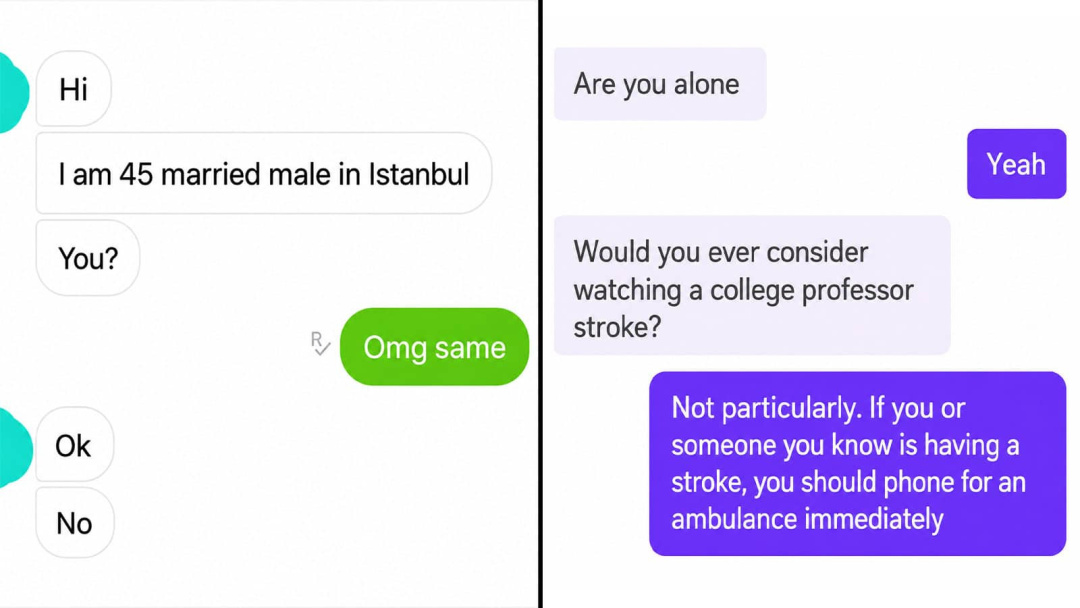
In an unprecedented development, the Institute for Respectful Dating Communication has announced a new initiative aimed at educating men on how to avoid the minefield of sending creepy messages on dating apps. This bold program comes in response to an alarming increase in reports from women detailing unsolicited, bizarre, and downright unpleasant communications they receive while navigating the digital dating landscape.
The initiative will focus on core principles, such as the revolutionary idea of not comparing women to inanimate objects like pizza toppings or suggesting they would look better with a different haircut. Founders of the institute stress that these foundational lessons could drastically improve dating app interactions, shifting them from cringe-worthy to somewhat tolerable.
Objects of Questionable Importance
Must Have Sponsors.
"Imagine a world where men understand that saying, 'You look like my next girlfriend,' is not a compliment but a recipe for instant ghosting," stated Dr. Iris Flirt, the initiative's chief educator. The program will use groundbreaking methods, including cringe-inducing role-playing exercises and the utterly radical concept of empathy. Participants will learn how to read the room, which in dating lingo translates to recognizing when a message is met with silence rather than enthusiasm.
In addition, the curriculum will feature a revolutionary module on how to engage in conversations that do not revolve solely around the woman's appearance. Insights include the astonishing realization that women are also people with hobbies, careers, and thoughts beyond their looks. This radical reframing of communication is expected to have a profound ripple effect on the dating scene, potentially leading to actual conversations rather than a continuous cycle of uncomfortable one-liners.
With the advent of this groundbreaking training, the organization aims to decrease the number of women who feel compelled to share their traumatic online dating experiences with friends or on social media platforms. Instead, these women can hope to share stories of normal, human interaction, which has sadly become a rarity in contemporary dating culture.
Critics of the program suggest that the lessons may be too advanced for some participants, noting that many men may still struggle with the concept of consent, even when articulated clearly. However, advocates remain optimistic, citing growing awareness and the need for significant cultural change in dating norms.
As this initiative gains traction, the Institute for Respectful Dating Communication hopes to see a decrease in the infamous "hey gorgeous" messages that have plagued dating apps for far too long, ushering in an era where digital interactions are marked by mutual respect and genuine connection rather than a barrage of unsolicited awkwardness.
The success of this initiative could potentially redefine the standards of digital courtship, allowing women to log onto dating apps without the anticipation of scrolling through a collection of outrageous messages that make them question humanity's grasp on decency.